Deceased estate sequencing is one of those things no one prepares you for. You find yourself in a parent’s home, or a partner’s, surrounded by a lifetime of belongings, trying to work out where to start. A valuer, an auction house, a charity, a rubbish removal crew: you know they all belong in the process somewhere. What nobody tells you is that the order matters, and getting it wrong is an easy mistake to make. Call the removalists before the auction house has been through, and you might discard things with genuine value. Call a charity without understanding what they actually take, and you’ll spend days waiting on pickups that never arrive. This article sets it out plainly.
Secure the estate and complete the inventory

Before anyone else sets foot in the property, make it secure. Change the locks if you need to. Notify the home insurer that the property is unoccupied. Most policies require notification within a set period after the owner’s death, and missing that window can affect your cover.
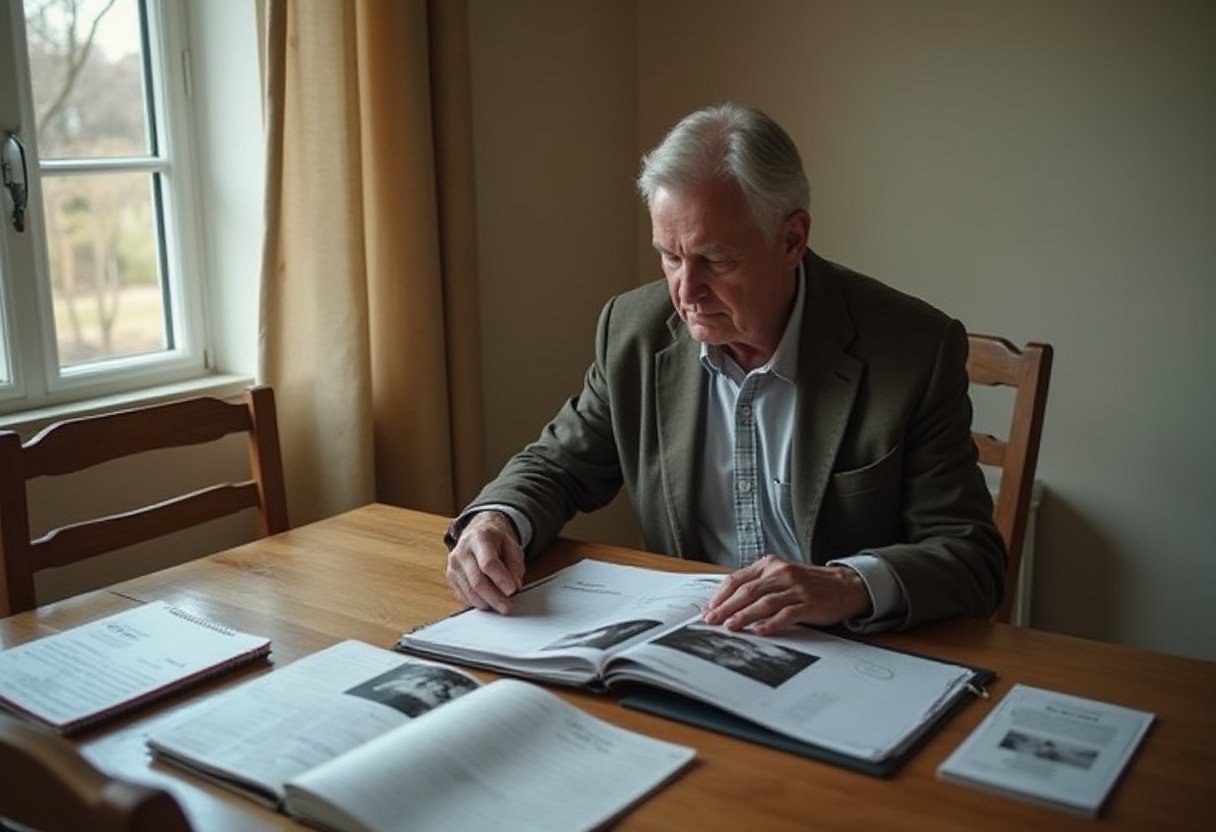
Then do a room-by-room walkthrough before anything is touched. Take photos as you go. Note what’s there: furniture, artworks, documents, tools, jewellery, any collectibles. You don’t need to be an expert for this. You’re building a baseline record, not a formal valuation. State Trustees Victoria recommends completing this kind of inventory early in the estate administration process, and it’s easy to see why: that record protects everyone involved.
This is where deceased estate sequencing starts to matter in a practical sense. A clear, photographed inventory means that when the valuer arrives, nothing has been disturbed. When the auction house does their intake, you have a record of what they’ve taken. And when rubbish removal comes in as the final step, there’s no ambiguity about what’s been sorted and what’s still to go.
Formal valuation before auction intake
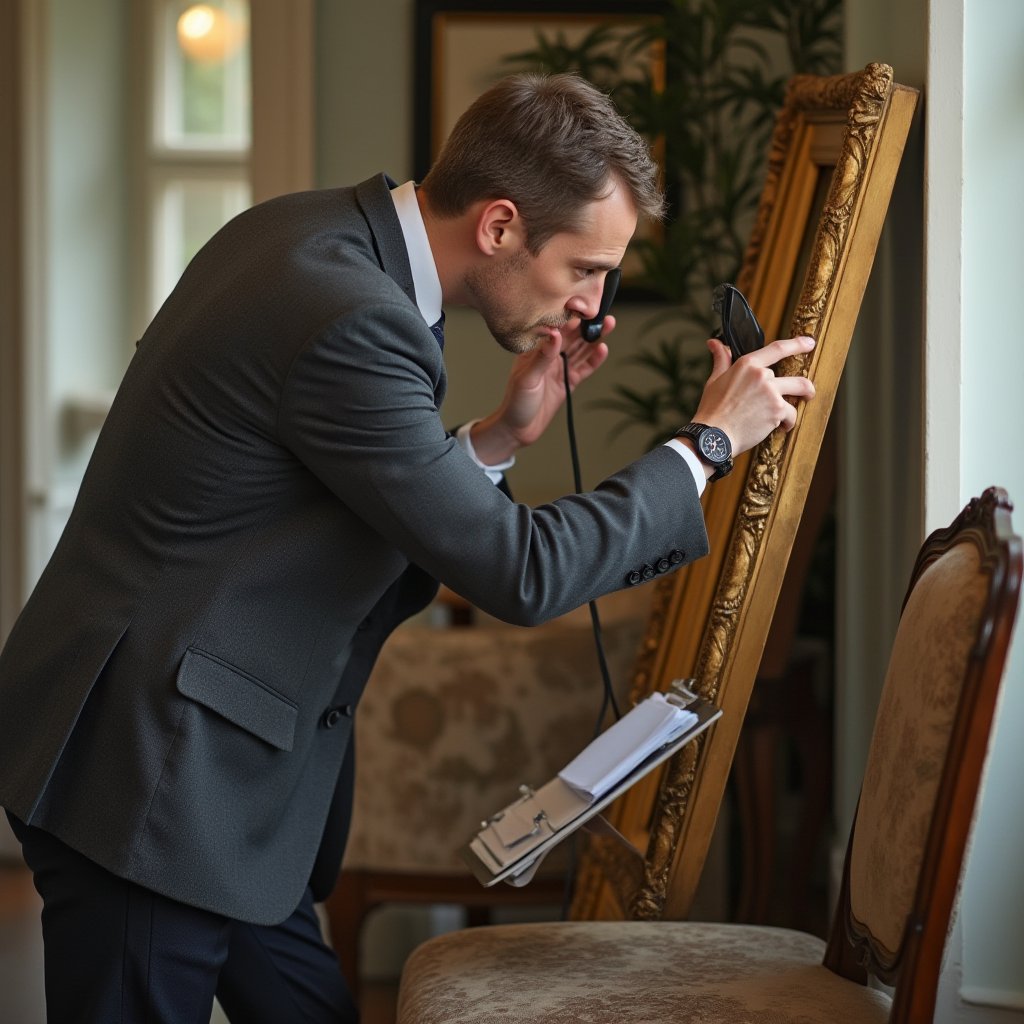
Before anything leaves the property, the estate may need a formal valuation. This is not the same as an auction house’s intake appraisal, and treating them as equivalent can leave the executor without the documentation the ATO or probate court requires.
A formal valuation, carried out by a licensed valuer, establishes the market value of assets at the date of death. The ATO uses this figure to calculate capital gains tax liability when those assets are later sold. An auction house intake appraisal tells you what an item is likely to fetch at sale. Useful for deciding what to put forward, but it carries no legal weight for tax or probate purposes.
This is where deceased estate sequencing matters most. Once furniture is moved to a saleroom floor or an item sells, establishing its value at the date of death becomes far harder. Valuers work from what is in the property, in place. The cleaner the inventory you hand them, the faster and more accurate their assessment.
Book the valuer first. Then call the auction house.
Auction houses and the sellable tier
Most salerooms in Melbourne offer a free intake appraisal. Bring them photos, or invite them to walk through the property, and they will tell you what they think is saleable and at roughly what estimate. That is useful. It is not a formal valuation for ATO or probate purposes, so don’t treat it as one.
Leonard Joel, one of Melbourne’s longest-running estate auction specialists, accepts furniture, art, jewellery, ceramics, and quality homewares. The knockbacks surprise most families: everyday furniture in poor condition, electrical goods, clothing, and anything that would cost more to sell than it would fetch. That tier is larger than most people expect.
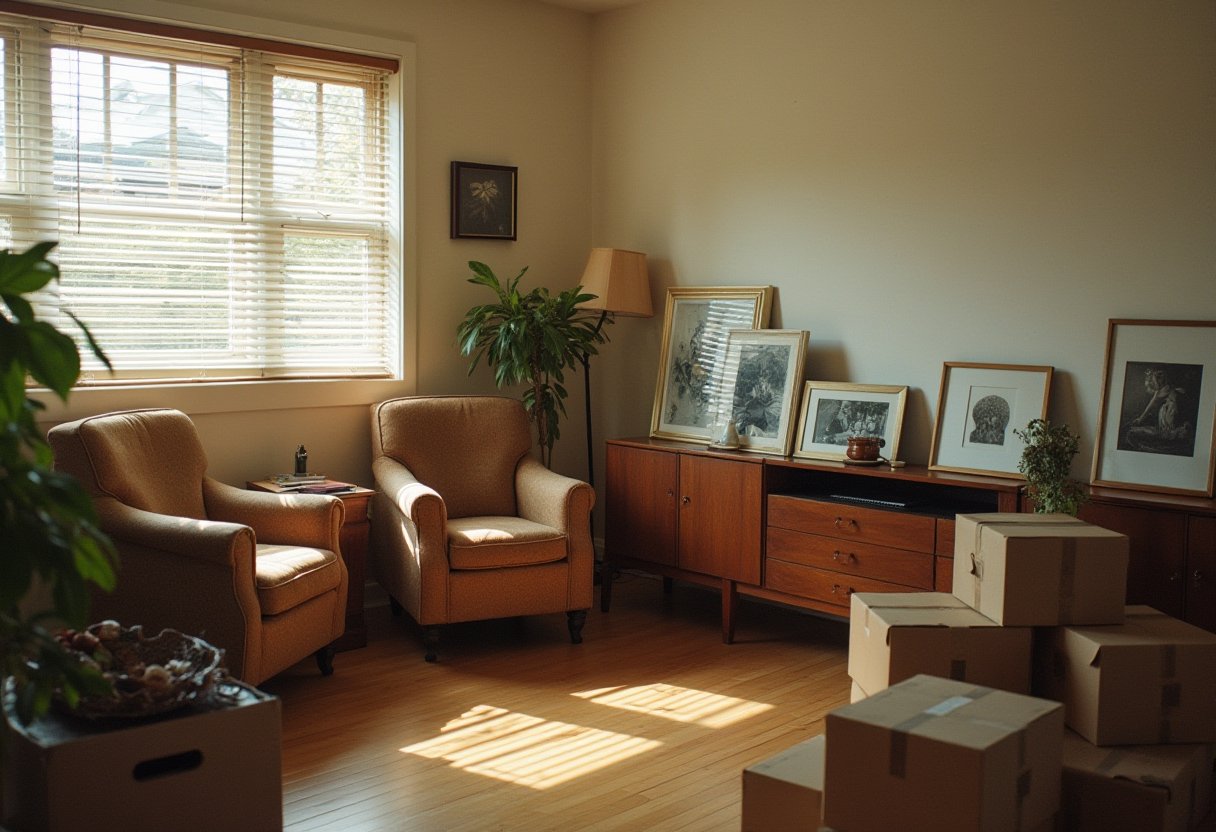
Separate the clearly saleable pieces before you call them. The conversation is faster and more useful for both sides. Families tend to underestimate this step in the sequence. What the auction house declines is still a significant volume, and it needs to go somewhere: mostly charities, and some to the skip.
Charity, then rubbish removal
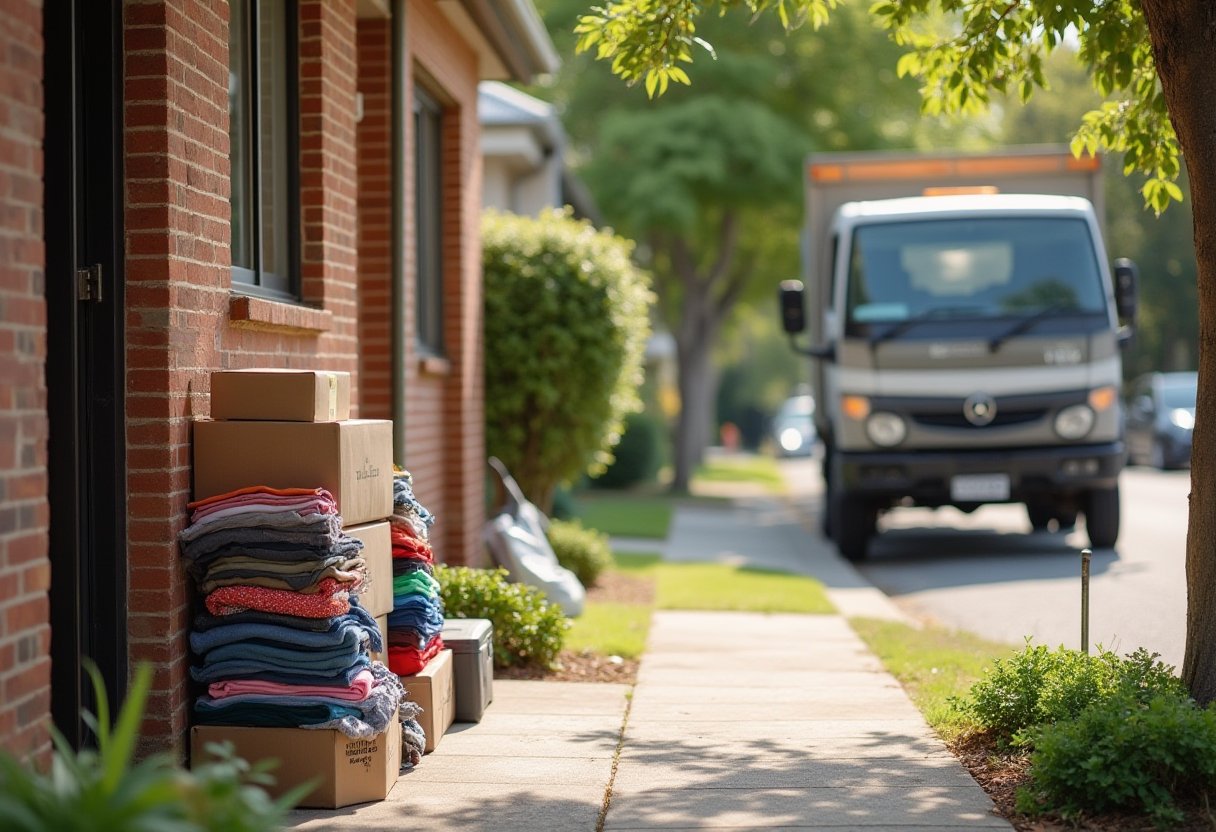
Once the auction house has taken what it wants, charity is the logical next step in deceased estate sequencing. But most families arrive at this stage with an overly optimistic view of what charities will accept.
The reality is that charity shops have standards. They need items they can sell. Furniture that is water-damaged, heavily worn, or built from flat-pack particleboard is unlikely to be accepted. Electrical goods without current tags or in unknown working condition are refused. Mattresses are almost always declined. Clothing that is stained, torn, or simply out of fashion goes the same way.
The other thing families often don’t realise: Vinnies Victoria does not offer home collection. You drop goods to a store, or they stay where they are. This catches people off guard when they’re already stretched thin.
Charities that do collect from home, such as the Brotherhood of St Laurence and Savers, have their own restrictions and booking lead times. Build that into your timeline and contact them early.
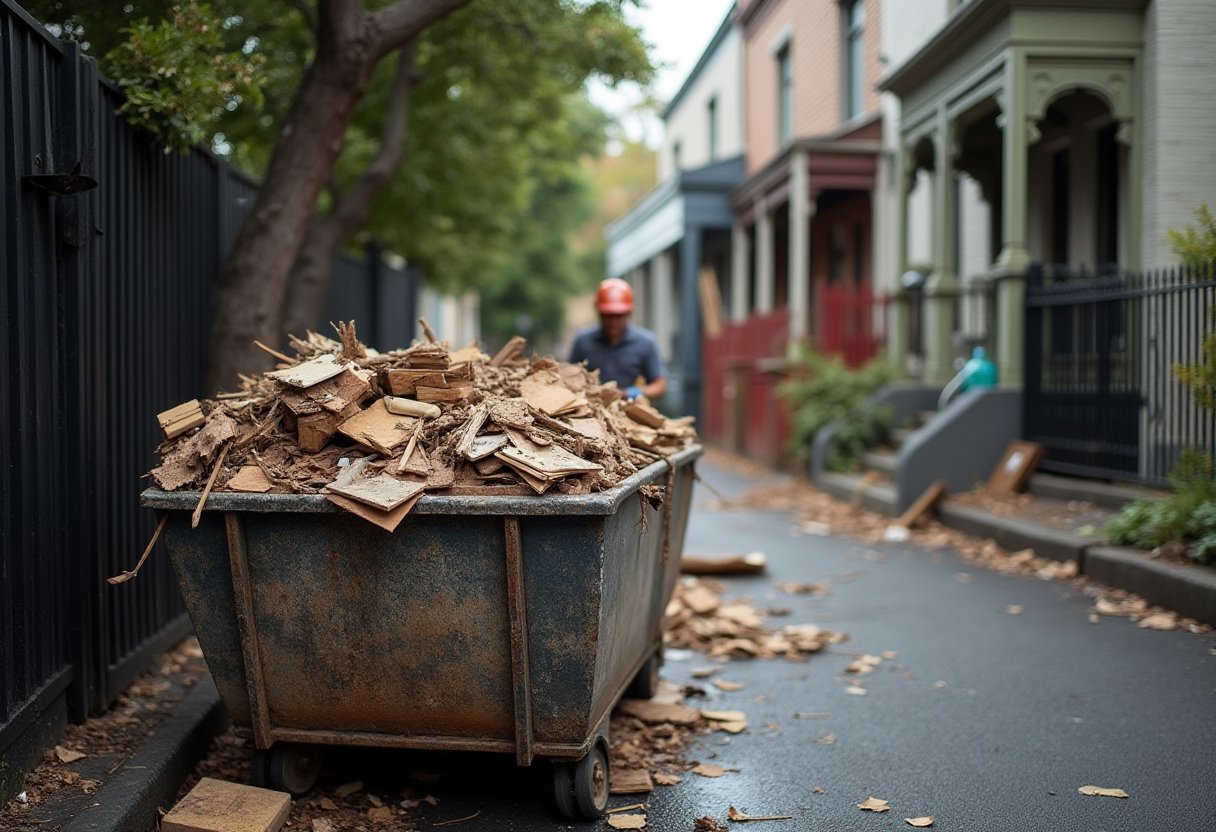
What remains after this step, and it will be a meaningful volume, is what a rubbish removal team takes care of. That is not a failure of the process. It is simply where the sequence ends, and where we come in.
Get the sequence right
Get the sequence right and the job becomes manageable. Call a valuer before anything leaves the property. Let the auction house do an intake appraisal on what remains, but that appraisal is not a formal CGT or probate valuation: you may also need an independent registered valuer. Book charities early and assume they will refuse more than you expect. Whatever remains after that, the team takes care of.
Families who skip this sequence usually hit one of two problems: a valuer identifies something valuable after it has gone, or charities decline most of what families counted on them to take. Both cost time. Often they cost money too.
If rubbish removal is where we can help, give the team a call on (03) 9820 1927. Free quote, no obligation. We’ve helped a lot of families through deceased estate clearance, and we’ll treat the work with the care it deserves.