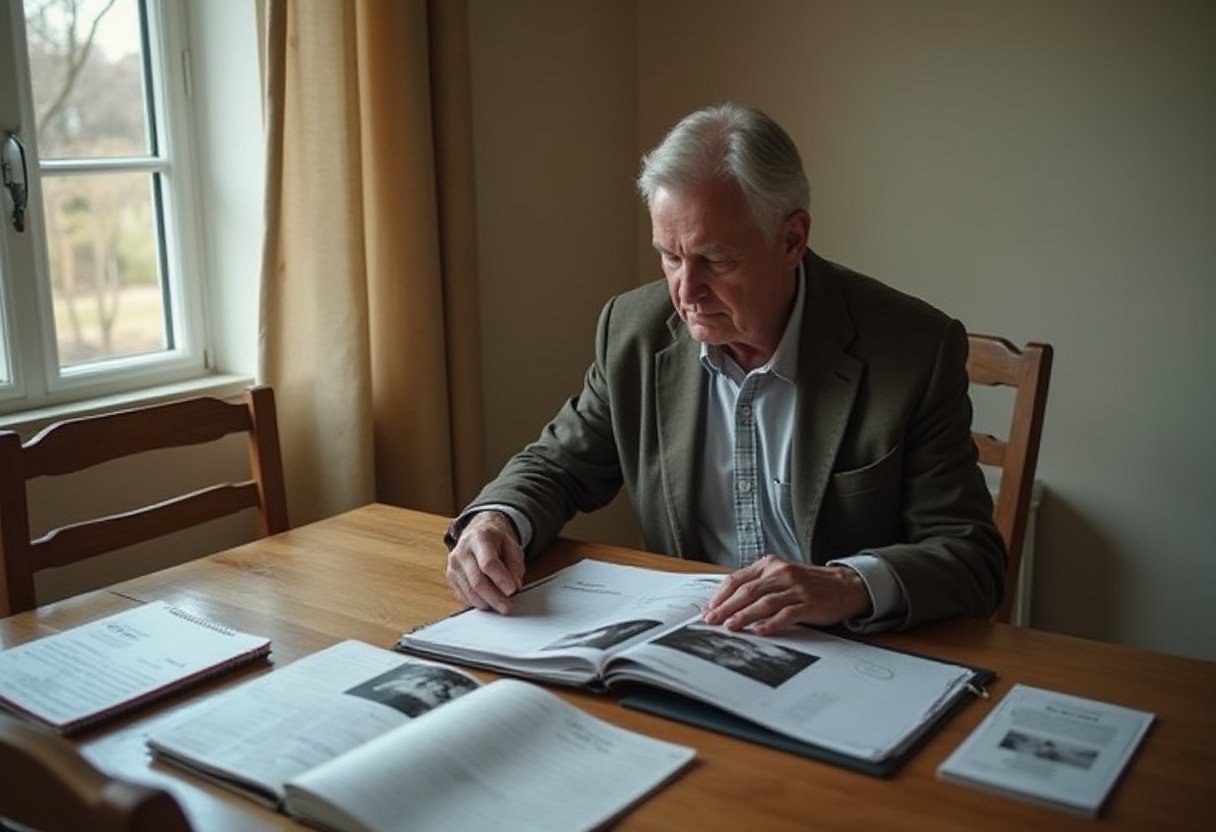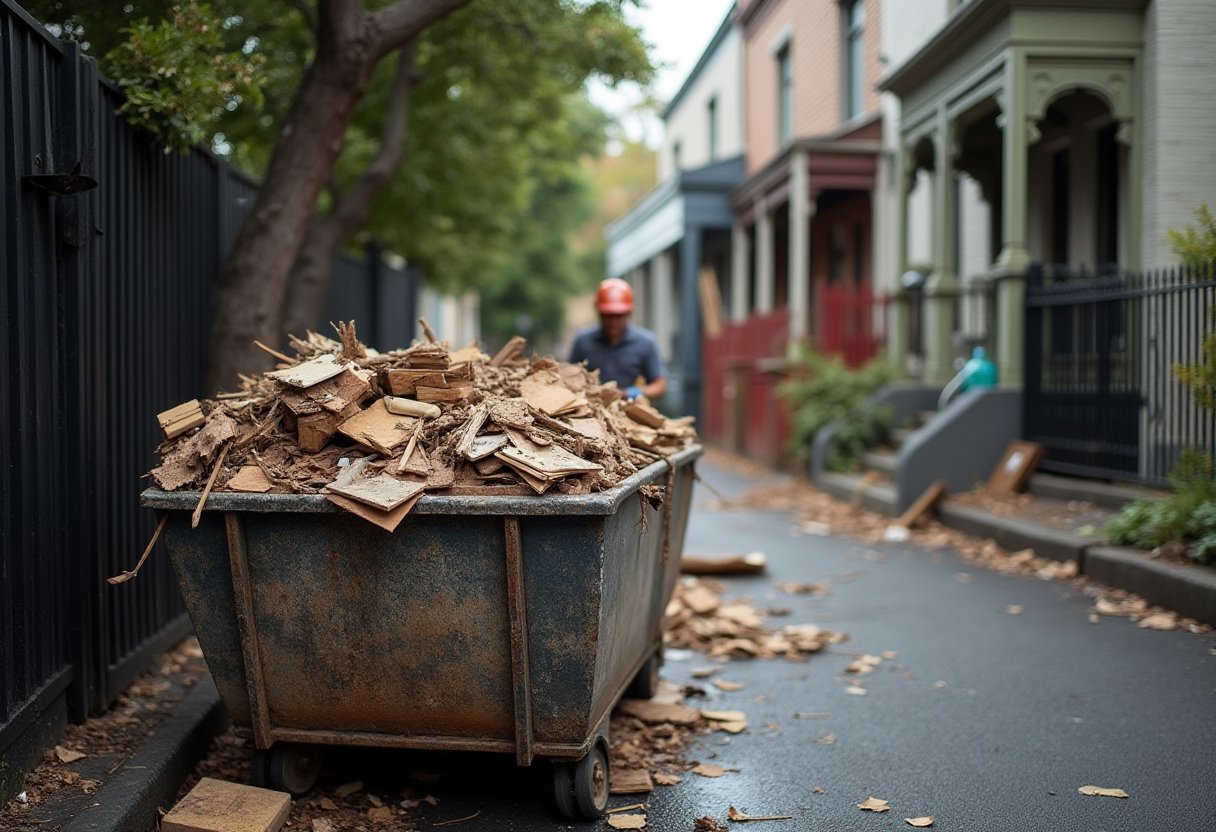

If you’re searching for hoarding cleanup help for a parent or sibling, the instinct to book a full clear-out and get it over within a weekend is understandable, but it’s usually the wrong first move. Hoarding is recognised clinically as a mental health condition, and the consensus among Victorian support services is clear: a rushed, person-excluded clean-out tends to cause real harm, and often the hoarding returns, sometimes worse than before. What actually helps is slower and quieter than that: making the home safer first (exits clear, the stove usable, heating unobstructed), and connecting your relative with the right support before anyone touches their belongings. This guide walks through that process, with Melbourne-specific referral pathways most articles skip.

Why this happens (hoarding as a mental health condition)
Before anything else, it helps to understand what you’re actually dealing with. Hoarding disorder is recognised as a genuine mental health condition, not a character flaw or a matter of willpower, and the difficulty discarding possessions is driven by distress, not laziness. For your relative, every item carries a weight you might not see: a memory, a “just in case”, a decision that feels too big to make right now. Multiply that by every object in the house and you can start to understand why the idea of a clean-out feels less like relief and more like a threat.
This is also why the instinct to “just get it sorted” while your relative is out, or over their objections, tends to backfire. A clean-out imposed from outside can feel like a violation, and it doesn’t touch the underlying anxiety that led to the accumulation in the first place. That’s part of why families searching for hoarding cleanup help so often find that a one-off blitz doesn’t stick: the possessions return, sometimes faster and in greater volume, because the emotional driver was never addressed.
It often overlaps with other things too: grief, isolation, a health decline, sometimes early cognitive changes. None of that means your relative is beyond help. It means the help that works looks different from a working bee. Real change tends to come from your relative feeling heard and involved in decisions about their own home, at a pace they can tolerate, with the right support person alongside them. The next section covers what “safety first” looks like in practice, and where in Melbourne to find that support.
How to approach the conversation

There’s no perfect script for this conversation, but there is a wrong way to start it: standing in the doorway with bin bags, ready to go. Even with the best intentions, that approach tends to read as an ambush, and it usually shuts the conversation down before it opens. The clinical guidance on managing hoarding is consistent on this point: the person needs to feel like a partner in decisions about their own home, not someone being managed around.
Start small and start with listening. Pick a low-stakes moment, not during a crisis or straight after a bill or a fall. Ask open questions about how they’re finding things at home, rather than leading with what you’ve noticed needs fixing. Let them describe the problem in their own words first. You’ll likely hear reasons for keeping things that make sense to them even if they don’t make sense to you, and that’s worth sitting with rather than arguing against.
Avoid ultimatums, and avoid sorting or moving anything without asking, even if you’re just “tidying”. For someone with hoarding difficulties, an item moved without consent can feel like a genuine loss, and it can damage the trust you need for the next conversation. If you’re looking for hoarding cleanup help that actually works, the research is clear that pushing too hard, too fast tends to backfire, sometimes triggering distress that undoes months of progress in an afternoon.
Instead, aim for one small, agreed step: clearing a path to the front door, or making the stovetop usable again. Frame it as their choice, made with your support. If your relative is in Boroondara, Stonnington or another inner-Melbourne council area, local hoarding and squalor services exist precisely to guide these conversations, and looping one in early, before things reach crisis point, tends to make everything that follows easier.
Making the home safer right now
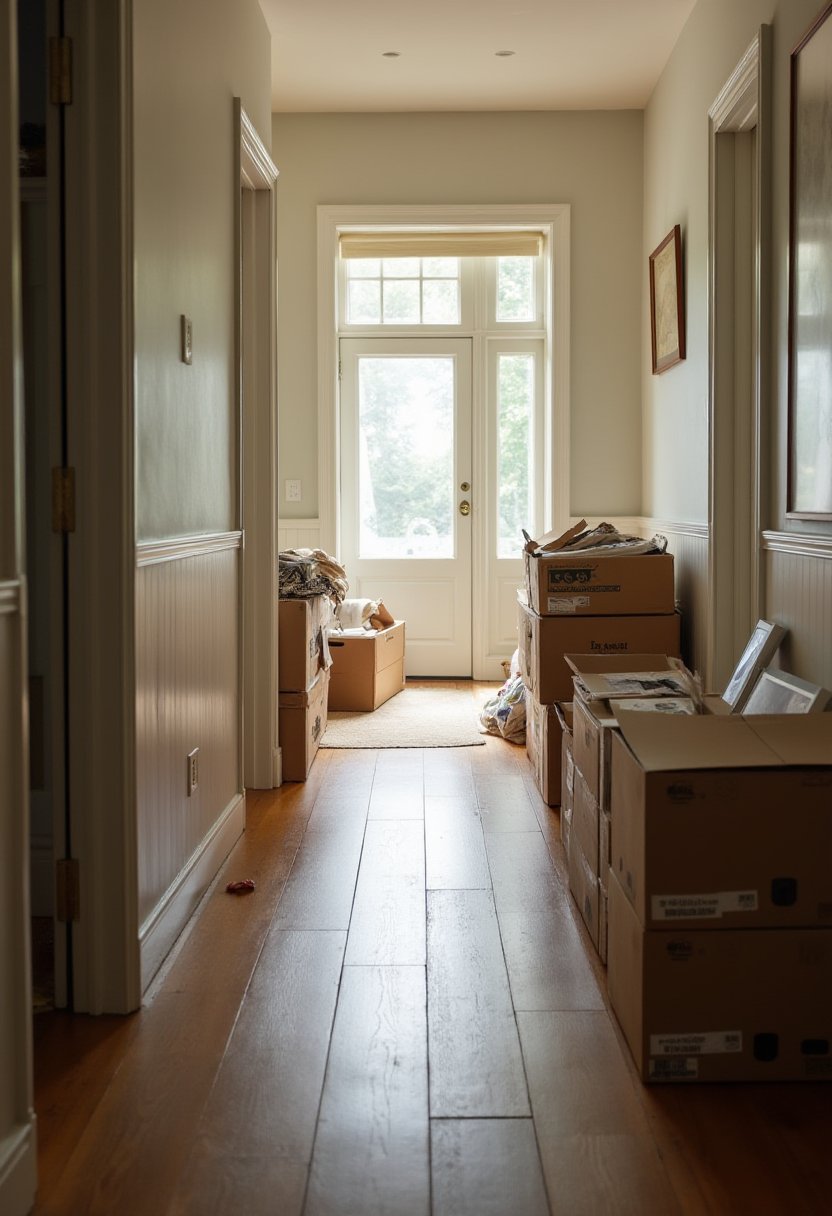
You don’t need a full clear-out to make tonight safer, and trying for one is usually the wrong move altogether. What matters first is reducing immediate risk: a clear path to every exit, safe access to the stove or heater, and nothing stacked near a power point or a heat source.
Fire services treat this as a genuine hazard, not an exaggeration. Blocked exits and floor-to-ceiling stacking are a major reason hoarded homes are so dangerous in a fire, because escape that would take seconds in a clear home can become impossible in a hoarded one. That’s the kind of hoarding cleanup help that actually moves the needle early on: not a skip bin, but a cleared hallway.
Pick one safety-critical area and ask your relative to work on it with you, rather than doing it while they’re out. If the stovetop is unusable, offer to help clear just enough bench space to cook safely. If a hallway or the front door is blocked, that’s the priority, not the spare room nobody’s used in years. A heater surrounded by boxes or paper is worth sorting out before it gets colder, not after.
Keep the visit short and specific. One agreed task, done together, is worth more than a long list of things you’d like fixed. If your relative gets tired or defensive, stop there and leave it for next time. You’re not trying to finish anything today. The aim right now isn’t a tidy home, it’s a safer one, and that’s a much easier thing for both of you to agree on.
Getting the right support in Melbourne

The first phone call is usually the hardest, and it doesn’t have to be to a rubbish removal company. Your relative’s GP is a good place to start. GPs can refer to a psychologist or mental health service that specialises in hoarding, and a Mental Health Care Plan through Medicare can bring the cost down significantly. If your relative won’t see their own doctor about this, a chat with the GP on your own first, just to ask how to raise it, is often enough to get things moving.
Most Melbourne councils also run or fund a hoarding and squalor support service, usually staffed by social workers who understand this isn’t a cleaning problem. They can visit the home, build a relationship with your relative at their own pace, and coordinate with other agencies if tenancy, aged care or fire safety come into it. Ask your council’s community health or aged and disability team to point you to theirs. The name and referral path vary a little between local government areas, but the service itself is common right across metro Melbourne.
Healthdirect’s hoarding disorder page is a solid place to send yourself, or your relative, for plain-English information and links to support lines, if you want to understand what you’re dealing with before you make any calls.
If your relative is elderly, My Aged Care can also open the door to in-home support and a needs assessment, which sometimes uncovers other things going on, like mobility issues or early memory problems, that make the hoarding harder to shift alone. None of this needs to happen in one week. Genuine hoarding cleanup help in Melbourne is built slowly, through the same one or two trusted people, not through a single big intervention.
Slow is not the same as doing nothing
If you take one thing from this: slow is not the same as doing nothing. Every conversation, every safe walkway you create, every call to a service like My Aged Care is real progress, even when the home still looks the same from the outside. Real hoarding cleanup help in Melbourne looks less like a big weekend blitz and more like a steady, respectful process built around your relative, not around you. Keep prioritising safety over tidiness: clear exits, a working smoke alarm, a path to the stove. The rest can wait until they’re ready, and when they are, you won’t be doing it alone.
Frequently Asked Questions
Not really, and that’s worth understanding early. A standard rubbish removal job is about volume: something’s cluttering a space and needs to go. Hoarding is different. The clinical and Victorian government guidance is consistent on this: a hoarding situation is a mental health issue, and treating it purely as a mess to clear will usually backfire. A fast, unplanned clean-out can cause real distress and often the clutter returns, sometimes worse than before. Real hoarding cleanup help starts with safety and support for the person, not a skip bin. Once there’s a plan and your relative is genuinely on board, a rubbish removal team has a role to play, but it comes later in the process, not first.
Gently, and not as an ambush. Pick a calm moment, not immediately after a health scare or a difficult visit. Lead with care rather than the state of the house: “I’ve been worried about you” lands very differently to “we need to sort this out.” Avoid criticism of specific possessions, since for someone hoarding, those items often carry real emotional weight. You’re not aiming to solve everything in one conversation. A good outcome is simply that they feel heard, and that you’ve planted the idea of getting some support, whether that’s their GP, a counsellor, or their local council’s social support team. Expect this to take several conversations over weeks or months, not one.
Safety, not tidiness. Clinical guidance from Victorian hoarding and squalor services points to the same priorities every time: clear exits in case of fire, keep the stove and any heating appliances usable and unobstructed, and make sure paths through the home aren’t a trip or collapse risk. These are the non-negotiables, and addressing them doesn’t require your relative’s whole collection to be touched or judged. Frame it as reducing risk, not starting a clean-out. If you can get agreement to clear even one exit or the area around the stove, that’s a genuine, meaningful win, and a far better use of a first visit than trying to tackle the whole house at once.
Most inner-Melbourne councils, including Stonnington, Boroondara and Glen Eira, run social support or aged and disability services that can refer into hoarding and squalor programs, so their social support team is a sensible first call. VMCH also runs a hoarding and squalor program across Melbourne for people aged 50 and over on a low income, which can include a one-off clean-up and referral to counselling or hoarding support groups. Your relative’s GP can refer to a psychologist experienced in hoarding disorder, which matters, since ongoing clinical support tends to get better long-term results than a one-off intervention. These services are used to family members reaching out first on someone else’s behalf, so you don’t need your relative present for that initial enquiry.
Once there’s a plan your relative has actually agreed to, ideally with input from a support worker or counsellor, and you’re working through it together rather than doing it to them. At that point, a removal team is genuinely useful for the physical load: getting agreed items out safely, sorting what can be donated or recycled, and doing it without added pressure on the day. Book ahead so there’s no rush, and be upfront with the team about the situation so they can work at a pace that respects your relative. It’s one part of a longer process, brought in at the right time, not the opening move.