

Clearing a house after separation in Melbourne is rarely about the furniture first. It’s about who’s allowed to touch what, and when. Before a single box gets packed, there’s usually a property settlement still being worked out, maybe a shared lease, maybe a court order in the background. Get that part wrong and a hard fortnight can turn into a much longer, more expensive one. These four steps follow the order it usually happens in: the legal ground rules, a way to sort a mixed household quickly, collecting your things safely, and what to do with whatever’s left.
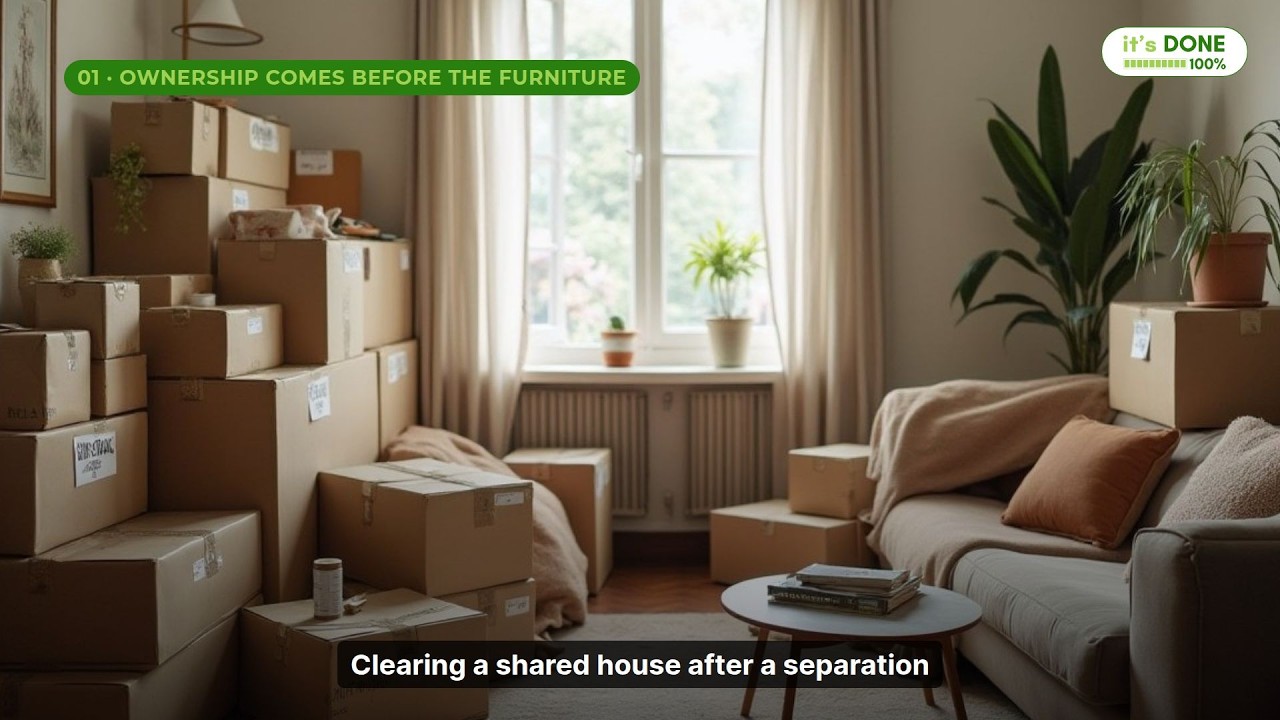
Step 1: Work out who owns what before you divide anything
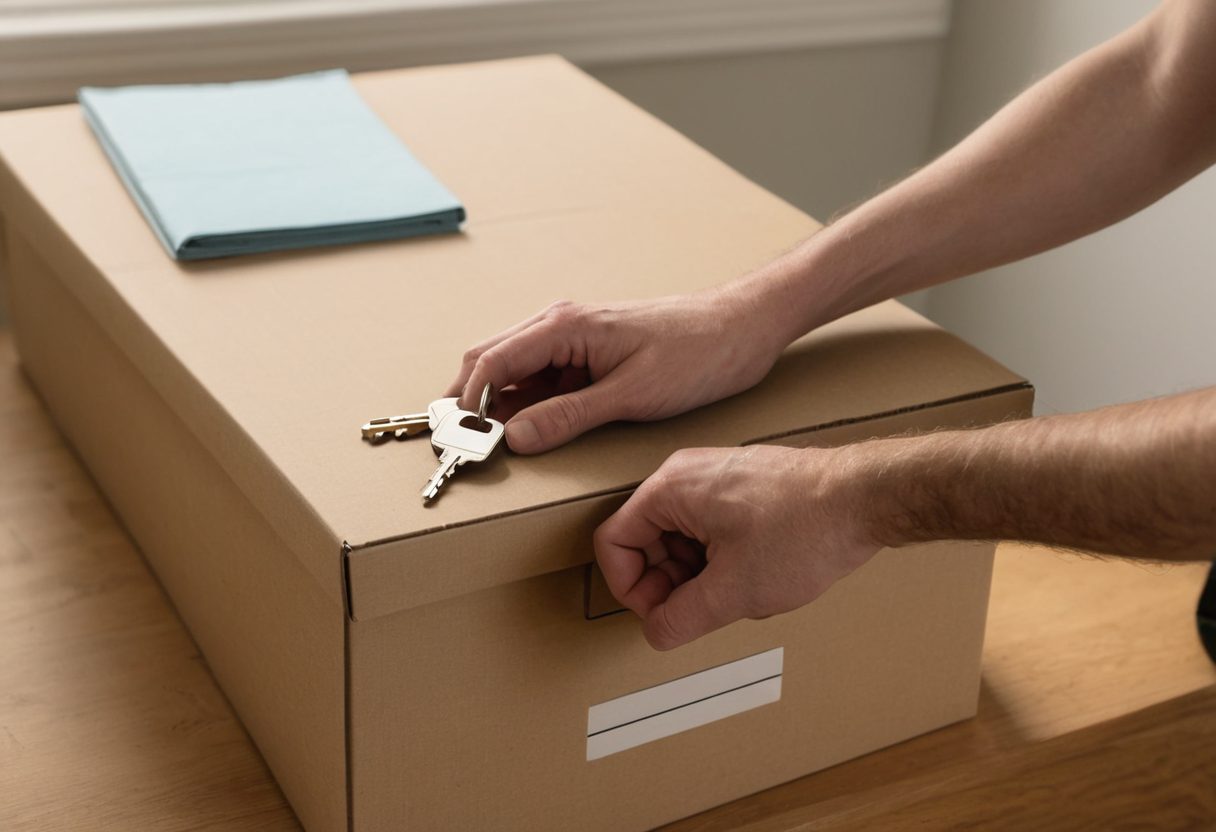
Before a single box gets packed, work out what you’re actually allowed to touch. Ownership after a separation isn’t settled by whose name is on the receipt, the lease or the title, or by who’s still living in the house. Victoria Legal Aid explains that you can have rights to property even if you didn’t buy it, and that you don’t lose your share of the home by moving out. Furniture, appliances and personal items are all part of the property settlement.
So until the settlement is agreed, treat anything shared as shared. Selling, giving away or dumping it without agreement, even something as small as a bookshelf, can turn into a dispute you didn’t need. The law also has ways to stop property being sold or hidden before a settlement is final.
If there’s a court order, a family violence safety notice or an intervention order in place, that document overrides any arrangement you and your ex might agree between yourselves. Read it properly before you plan the clear-out, because it can set conditions on who goes to the property and when.
If you’re renting together, the lease is a separate problem from the contents. Under Consumer Affairs Victoria’s co-renting rules, a co-renter who moves out should get their name taken off the rental agreement, or they can still be held responsible for unpaid rent and damage. Sort that in parallel, not as an afterthought once the house is empty.
For anything genuinely contested, like big furniture, appliances, or items with sentimental or financial value, get it in writing who’s taking what before removal day. Settle ownership first and do the sorting and shifting second. That order saves you a second argument on top of the first one.
Step 2: Sort belongings room by room, under time pressure

Once ownership is settled, the sorting itself is straightforward if you give it structure. Four categories, applied room by room: keeping (goes to your new place), theirs (goes to their new place), shared decision needed (put it aside, don’t argue about it standing in the hallway) and gone (donation, sale, or rubbish removal). If you’ve ever done a four-pile declutter, it works the same way, except the piles are about who as much as what.
Work through one room at a time rather than the whole house at once. A separation clear-out is rarely a weekend job. It’s usually spread across several visits, so pick a room, sort it fully, and move on. Trying to do the lounge, the garage and both bedrooms in one go is how boxes end up mislabelled and tempers end up short.
A few things that make this faster:
- Label as you go. Coloured stickers or a marker on masking tape beats a mental note every time, especially when two people are packing on different days.
- Photograph anything disputed. If a decision has to wait, a quick photo means nobody’s relying on memory a fortnight later.
- Separate “gone” immediately. Don’t let the discard pile mix back into the house. A spare room, the garage, or straight into boxes by the door keeps it from creeping back into “maybe I’ll keep that after all”.
- Set a per-room time limit. An hour a room is usually enough once ownership isn’t in question. If you’re still deciding after that, the item goes in the shared decision pile and you move on.
Wearable clothes and linen in the gone pile don’t have to end up in landfill, but op shops are often full, so check where else textiles can go before you bag them up. This is the part of the job that actually eats the time, so a clear system here is worth more than any amount of enthusiasm on day one.
Step 3: Collect your things safely
Once the sorting’s done, the actual collecting should be the easy part. It usually is, but not always, and it’s worth being honest about that before you turn up with a van.
If there’s any tension, don’t go alone and don’t go unannounced. Arrange a time, stick to it, and bring someone with you if you can, a friend or family member who makes the visit calmer just by being there. Book the van for that window, and check what removalists won’t take on moving day so nothing gets stranded on the driveway.
If there’s a safety notice or intervention order in place, that document tells you what you can and can’t do, full stop. Victoria Police explains what notices and orders are and the kinds of conditions they include, such as staying a set distance away from the protected person. If the person named in an order needs to collect their things, the magistrate can allow it as an exception, and Victoria Legal Aid notes that usually means a police officer or another approved person is there at the time. Don’t go near the house to work it out yourself.
If you’re unsure what yours covers, Victoria Legal Aid can talk you through it, and 1800RESPECT (1800 737 732) is there at any time if you need to speak to a family violence specialist. In an emergency, call 000.
For most people none of this applies, and the clear-out is just a logistics job done at a slower pace. But if your situation isn’t straightforward, get the safety part right first. The furniture will still be there tomorrow.
Step 4: Clear what’s left, council hard waste or a rubbish removal service
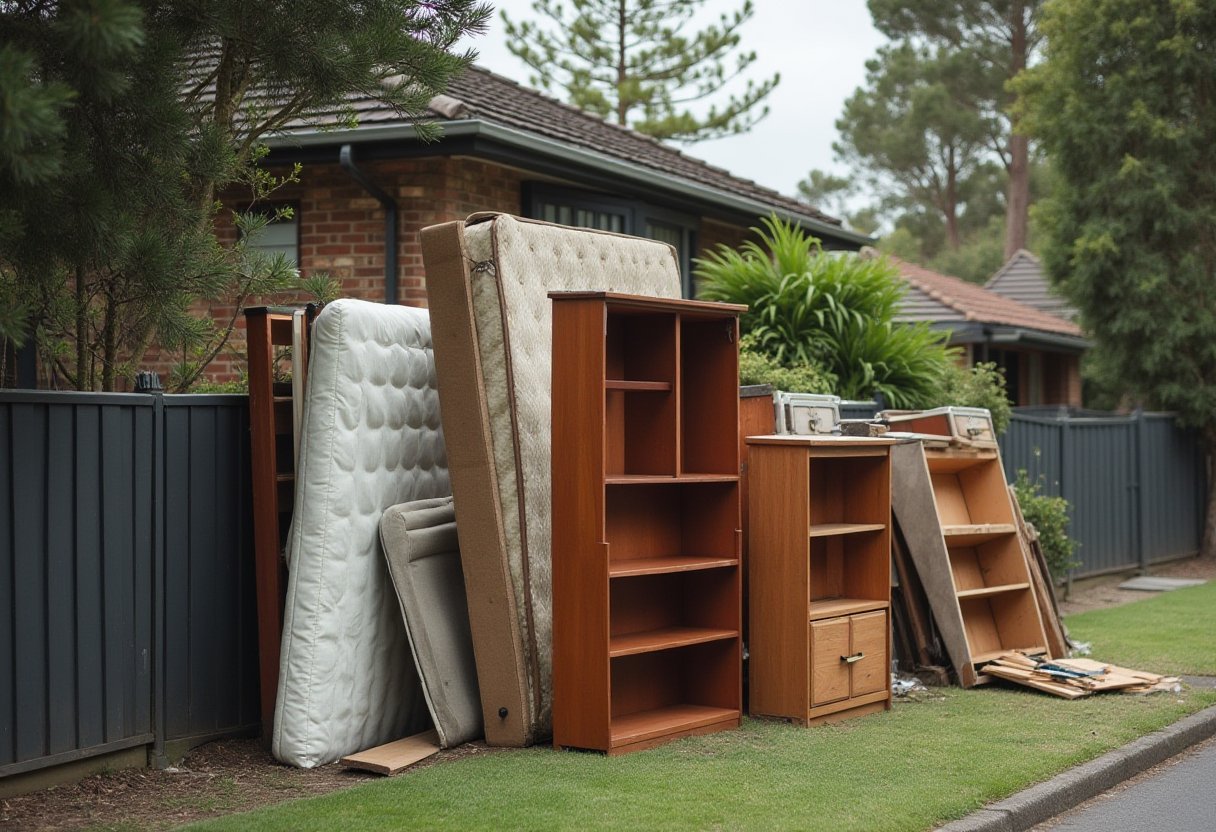
Once the furniture is divided and the boxes are labelled, there’s usually a pile left that nobody wants: the mismatched cushions, the broken bookshelf, the mattress from the spare room. Getting rid of it comes down to time versus effort.
Council hard waste is the low-cost option if you have time, but every council runs it differently. In Boroondara you book one of two free collections each financial year, there can be a few weeks between booking and collection, and the pile goes out no earlier than two days before. Items put out there without a booking are treated as illegal dumping and can attract a fine, which matters if you’re tempted to leave an ex’s things on the nature strip. Stonnington doesn’t take bookings at all: it runs two scheduled collections a year, in spring and autumn. Glen Eira lets you book from a week to a day ahead, and collects on your bin day.
Our guides to Stonnington, Glen Eira and Boroondara hard rubbish cover the detail, and how seven Melbourne councils compare puts them side by side.
If you’re on a deadline, a rubbish removal service does the same job without the wait. That matters most when the clear-out has to fit around a settlement date, a lease handover, or a new tenant moving in behind you. You book a time, our crew carries everything out, and the pile is gone in that visit, sorted for donation and recycling where we can.
Neither option is better. Hard waste suits a slower timeline, and a booked rubbish removal suits a fixed one. Most people in this situation know within a minute which one they’re dealing with.
You don’t have to sort it all in one day
You don’t need to clear the house in a weekend, and trying to will wear you out before you’re halfway through. Pick a room, sort it into the four piles, then stop. Anything still in dispute stays in the shared decision pile until the property side of the split is settled. Clearing a house after separation in Melbourne goes better at a slower, steadier pace, and nobody’s grading you on speed.
If you’d rather not deal with the clearing-out part yourself, give the team a call on (03) 9820 1927. We’ll quote your house clearance after separation for free, whether it’s a few pieces of furniture or a whole house of leftovers.
Frequently Asked Questions
It isn’t decided by whose name is on the receipt, the lease or the title, or by who’s still living in the house. Household items are part of the property settlement and are divided on what’s fair in your situation, and you don’t lose your share of the home by moving out. Even if you both agree, Victoria Legal Aid says it’s a good idea to get legal advice, particularly for anything of real value.
If you were married, an application to the Federal Circuit and Family Court for property orders has to be made within 12 months of your divorce becoming final. If you were in a de facto relationship, it’s within two years of the relationship breaking down. After that you need the court’s permission, which isn’t always granted. This is general information only, so check with Victoria Legal Aid or a family lawyer for the limit that applies to you.
You can agree between yourselves. An agreement can be informal, a binding financial agreement, or consent orders made by the Federal Circuit and Family Court of Australia. If you can’t agree, family dispute resolution with a trained mediator is an option before court. Even when you agree, getting legal advice first means you know what you’re signing up to.
Pets are treated differently from other property. If a court decides how your property is divided, it can give one of you sole ownership, have the pet rehomed with someone who agrees to take it, or order it sold. It can’t order shared ownership or shared care, so any shared arrangement has to be something you agree between yourselves.
Not straight away. Until the property settlement is final, those things may still be partly theirs, and getting rid of them can start a dispute you don’t need. Agree a collection deadline with your ex in writing, through a lawyer or mediator if you’re not talking, and keep the items somewhere dry until then. If there’s an intervention order, follow its conditions and get advice before making any contact.
Usually, but check your council’s rules first. In Boroondara, for example, apartment blocks of 14 units or fewer book their own collection, while blocks of 15 or more go through the body corporate. Ask your property manager too, because some buildings have shared bin areas or rules about where a pile can go.