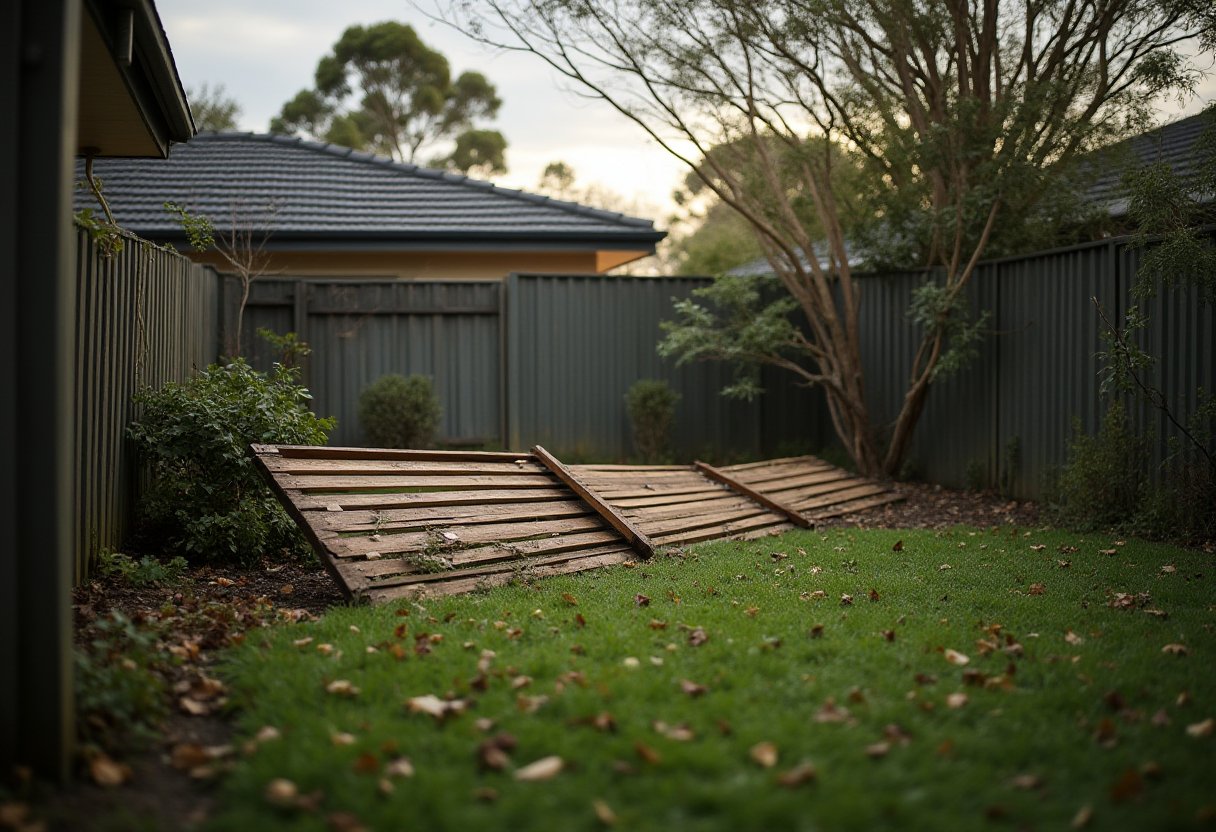
When a north-westerly rips through Prahran or Toorak overnight, storm damage cleanup is usually the last thing on your mind until you’re standing in the yard at seven the next morning, looking at a fence panel in next door’s garden and a box of photo albums gone soft on the back step. Take a breath first. Most of what’s ahead isn’t an emergency, it’s just a mess that needs sorting in the right order. We’ll walk through what to check for safety, when to actually call for help, and how to deal with the debris, the soggy boxes and the fence question without losing a weekend to it.

Safety first, before you touch anything
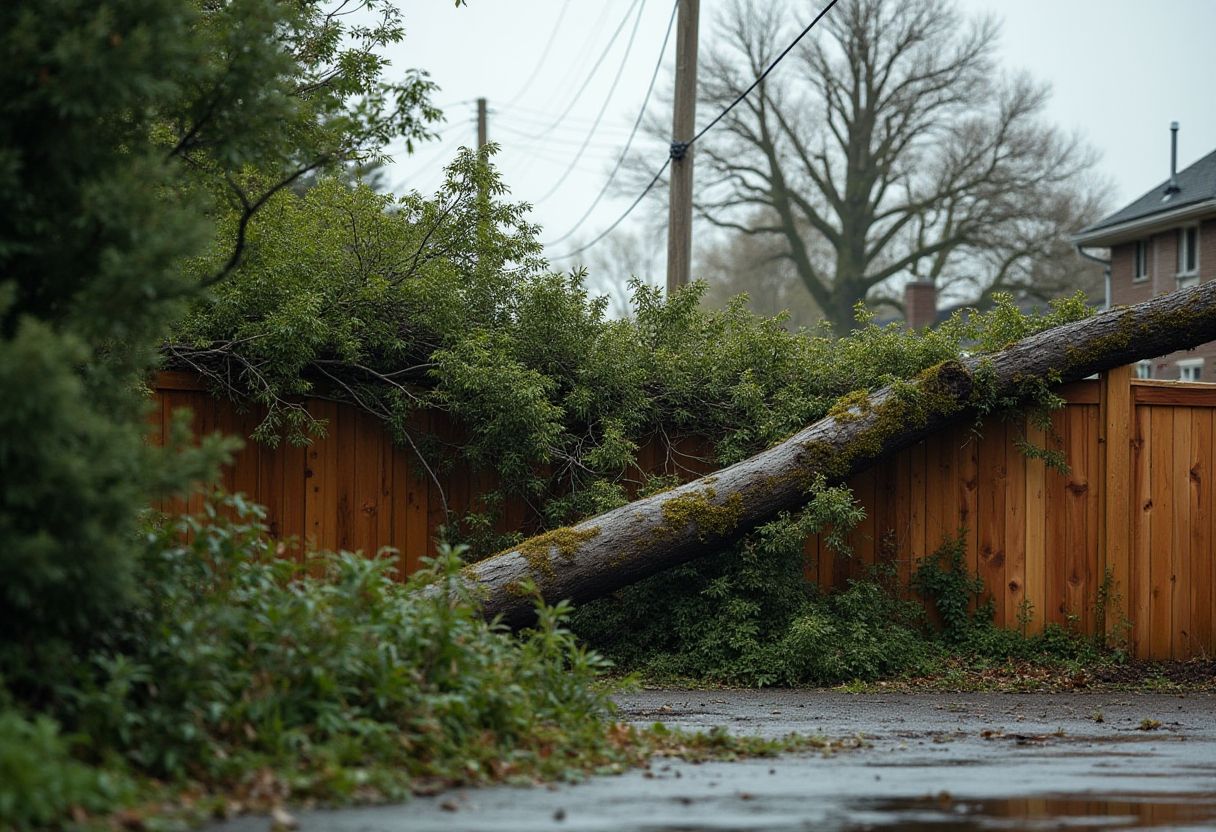
Before you start shifting anything, take a proper look around, not a quick glance. Fallen branches and torn fence panels are urgent to the eye but rarely urgent to your safety. Downed power lines are a different story: treat any line on the ground, on a fence, or tangled in a tree as live, no matter how still or dead it looks, and keep well clear. Storms can also damage overhead lines and electrical equipment on your property, so check for exposed wiring or a power point that’s been near water before you flick anything back on.
Watch your footing too. Wet decking, a loosened roof tile or a fence panel leaning at the wrong angle can all give way under weight they weren’t built for. If a tree’s come down against the house, or a section of roof looks compromised, stay out from underneath it rather than assessing it up close.
None of this needs to feel dramatic. It’s just the ten minutes that make everything after it safer.
Who to call, SES, tradesperson or council
Once you’re safe, the next decision is who actually needs to hear from you. VicSES handles storm damage that’s putting you or your property at immediate risk: a tree through the roof, water pouring in, a structure that’s genuinely unsafe. If it’s not an emergency, VicSES asks you to call 132 500 rather than Triple Zero, and to hold off if the situation can wait. A cracked fence panel, a gutter full of leaves, or a shed that’s shifted slightly doesn’t need that call. That’s a job for a builder, arborist or handyperson, booked in when they’re free.
Council comes in for street trees, blocked drains on nature strips, or hard rubbish that’s piled up faster than usual. Most of the work, once the urgent stuff is sorted, sits in that quieter middle ground: not an emergency, not council’s job either, just debris and damaged items that need clearing so the real repairs can start.
Clearing the mess, debris, soggy boxes and asbestos caution
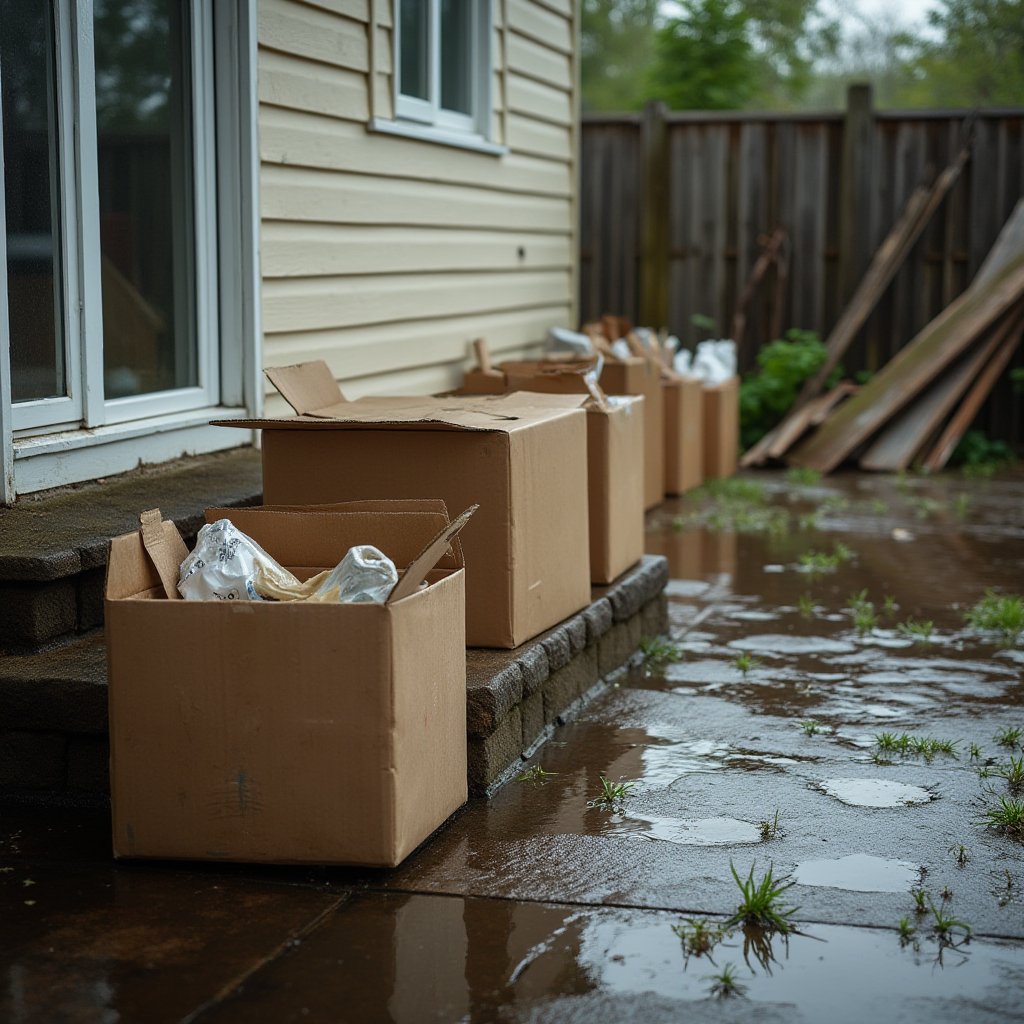
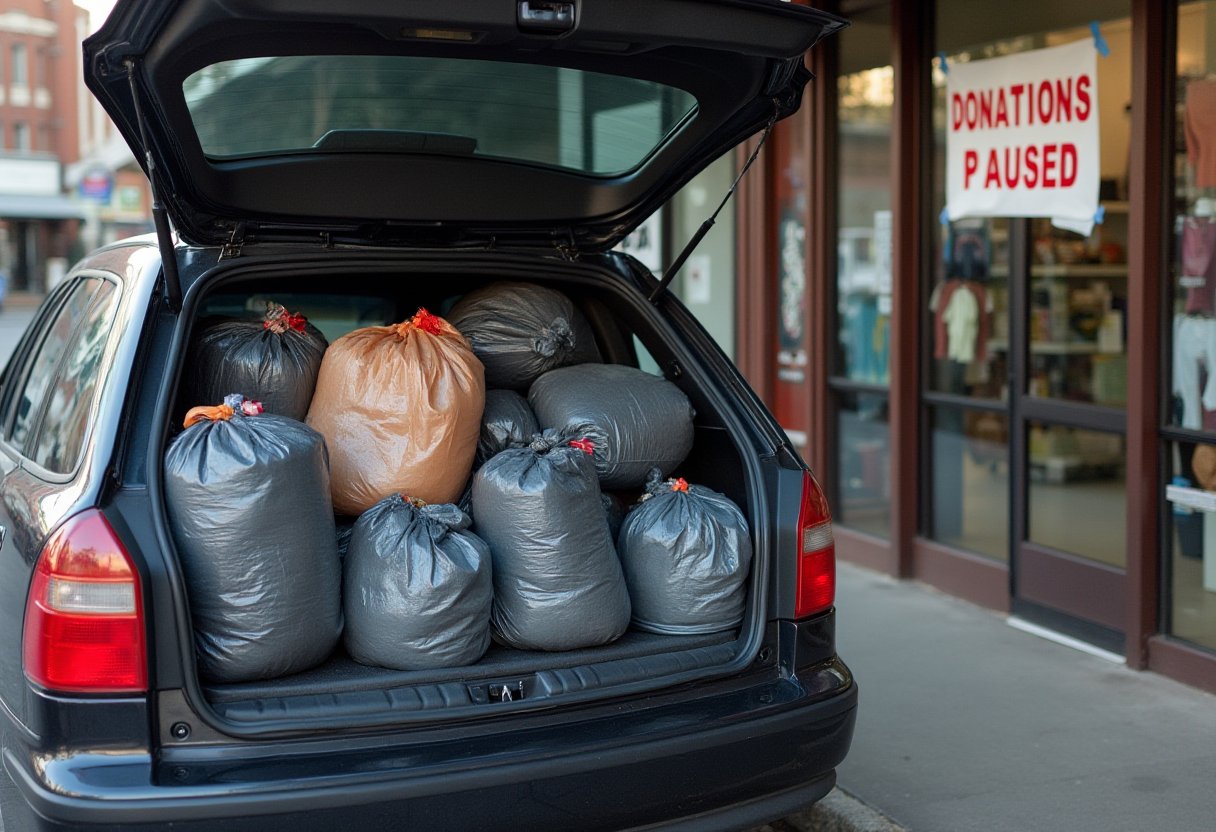
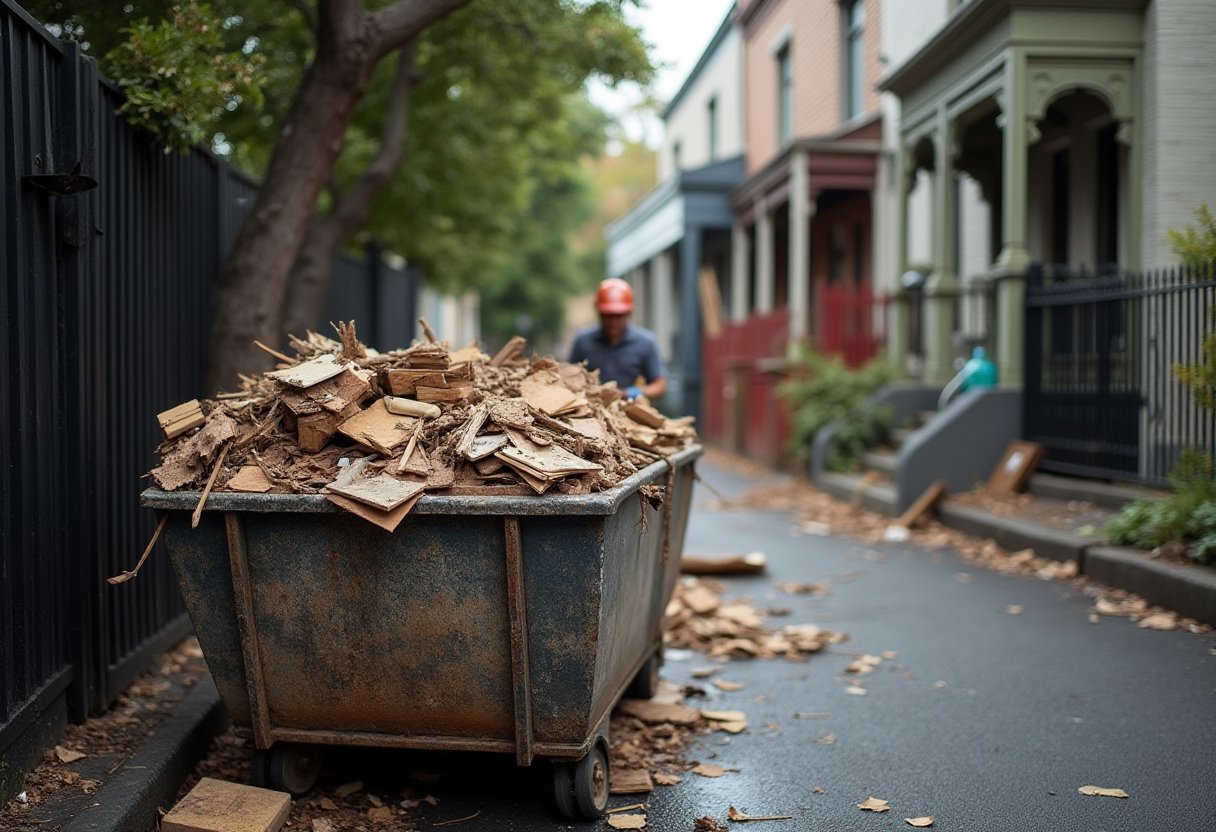
Once the SES call is made or ruled out, the real work starts: branches down, fence palings scattered across the lawn, a tarp over the roof and boxes gone soft with rain. None of that is urgent in the emergency sense, but it needs sorting before repairs can begin, and it’s the bulk of what the job actually looks like in the inner suburbs. Bag what’s saveable, separate green waste from general debris, and don’t let sodden cardboard sit against a skirting board or carpet for days; it’ll grow mould fast in Melbourne’s damp winter air.
One thing worth slowing down for: if your place in Prahran, Richmond or anywhere else with older housing stock has a fibro shed, eaves or outbuilding that’s copped storm damage, treat any broken sheeting as asbestos until you know otherwise. Don’t sweep it, don’t bag it with the rest of the rubbish, and keep kids and pets well clear. Damaged asbestos material has to go through a licensed asbestos disposal facility, not a regular skip or kerbside collection.
Who pays, insurance, renters and the fence

Most home and contents policies cover storm damage, but check what your policy actually calls a storm before you assume anything’s automatic. Photograph everything before you touch it, keep receipts for any emergency repairs, and lodge the claim early, insurers can get backed up after a big system moves through.
If you’re renting, storm damage to the property is the owner’s responsibility, not yours. Contact your landlord or agent straight away and put it in writing, especially for anything urgent like a leaking roof or broken window.
The fence question is genuinely murkier. Who pays for a shared fence blown down between two properties depends on your specific circumstances and sometimes your insurer’s view of “storm event” versus wear and tear, so this is one to raise directly with your insurer or, if it’s a boundary dispute, get proper advice rather than guess. Once liability’s sorted, clearing the actual debris is the easy part.
Sort the liability, then the cleanup
Safety first: stay clear of fallen power lines and don’t assume they’re dead, report hazards to the right service rather than defaulting to Triple Zero for non-urgent damage. Sort insurance and, if renting, landlord repair obligations before you touch anything structural. Bag soggy boxes early, they only get heavier. If your home’s pre-1990, treat broken sheeting with asbestos caution. Once liability’s settled, the cleanup itself is straightforward: most of it’s a job for a trade or a rubbish removal team, not the SES.
Frequently Asked Questions
It depends on what you’re looking at. Call VicSES on 132 500 if a tree has come down on power lines, a roof has lost its covering and rain is getting into the house, or something is blocking a road or threatening a structure. For everything else, the fallen branches, the flattened garden bed, the shed that’s shifted, the wet cardboard boxes in the garage, that’s a job for a tradesperson or a rubbish removal team once you’ve checked the property is safe. Keeping the SES line free for genuine emergencies matters. If you’re ever unsure whether something is urgent, it’s better to call and ask than guess.
Honestly, it depends. Fencing disputes between neighbours in Victoria are covered by the Fences Act 1968, and liability after storm damage can hinge on your specific boundary agreement, insurance policies and whether the fence was already in poor condition. We’d rather point you to the right people than guess: talk to your insurer first, and if it’s a shared boundary fence, a chat with your neighbour and possibly your local council is worth having before anyone reaches for tools. We can clear the old fence debris once that’s sorted.
Sort quickly if you can, because wet cardboard and soaked fabric start growing mould within 24 to 48 hours. Photograph anything you might claim on insurance before it goes anywhere. Salvageable items can dry out on a tarp or in a garage with airflow; anything saturated through, particularly porous items like mattresses or upholstered furniture, usually isn’t worth keeping. We handle the soggy, mouldy stuff regularly across Prahran, South Yarra and the inner suburbs, and we’ll take it away without you needing to touch it.
If your home was built or renovated before 1990, yes, it’s worth a moment’s caution. Older sheds, eaves, fences and roofing can contain asbestos sheeting, and storm damage can crack or dislodge it without it being obvious. Don’t sweep, cut or move broken fibro sheeting yourself. Leave it where it fell and get advice from a licensed asbestos removalist or check the guidance on Victoria’s WorkSafe website before touching it. Our team can help with everything else around it.
Most home and contents policies cover storm damage, but the details vary by insurer and policy, so it’s genuinely worth a call to your provider rather than assuming either way. If you’re renting, Consumer Affairs Victoria sets out your rights around repairs and who pays, so check that if the storm has damaged your rental property. Once you’ve got the green light from your insurer, or if you’re paying out of pocket and just want it gone, get in touch and we’ll quote the cleanup for free.