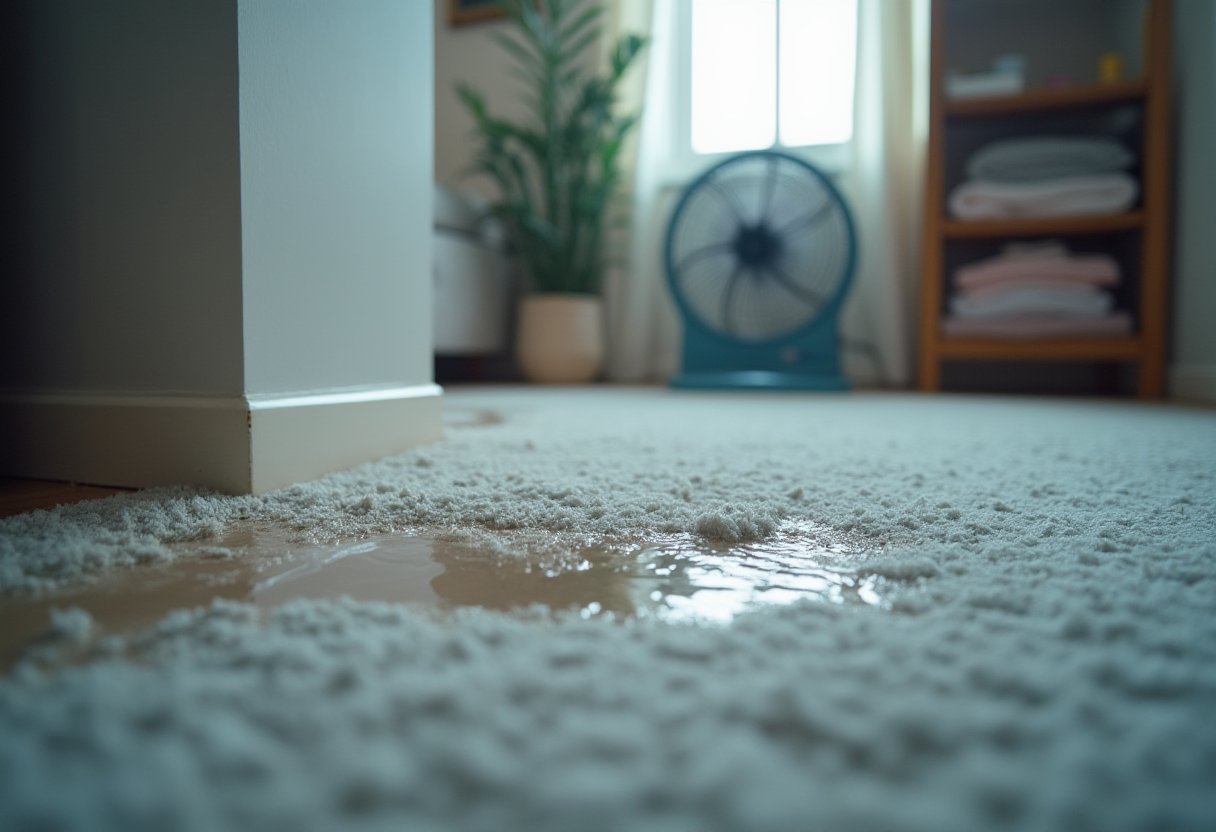
Wet carpet disposal is the last thing you want to be thinking about when a pipe’s let go in the ceiling or the wind’s driven rain under the back door in the middle of a Melbourne winter. You’ve mopped, you’ve got fans going, and somewhere online you’ve read that once carpet’s been wet for 24 to 48 hours it’s finished, straight in the bin. That number gets thrown around a lot. It’s a handy rule of thumb from the industry, not a government standard, and it’s worth knowing the difference before you make the call.
The salvage decision, how long you’ve actually got
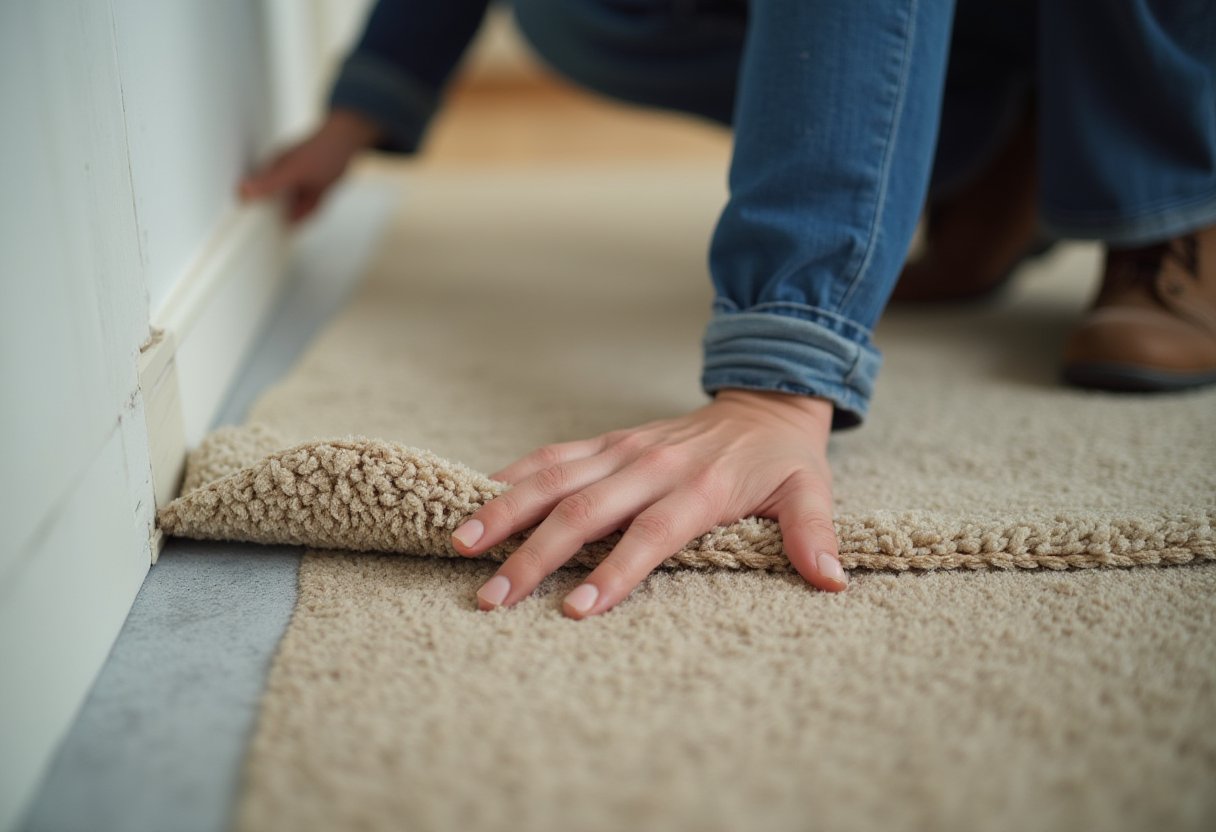
That 24 to 48 hour figure isn’t wrong, exactly, it’s just not what people think it is. It comes from carpet and restoration trade bodies, built around how fast mould can take hold in wet underlay and padding once things warm up. It’s a useful guide, not a rule handed down by a government department.
What the health advice actually says is broader: after a flood or a leak, dry the whole property out within 48 hours where you can, because damp building materials generally, not carpet specifically, are what let mould get going. So a rug that’s been damp for three days from an overnight pipe fault, dried fast with fans and a dehumidifier, isn’t automatically finished. A carpet that’s been quietly soaking for a week while you were away almost certainly is.
If there’s an insurance claim involved, don’t make the wet carpet disposal call alone. Photograph everything, note when you found it, and get your insurer’s sign-off before it goes anywhere. Once the decision’s made, that’s the point to arrange getting it out of the house.
Handling wet or mouldy carpet safely
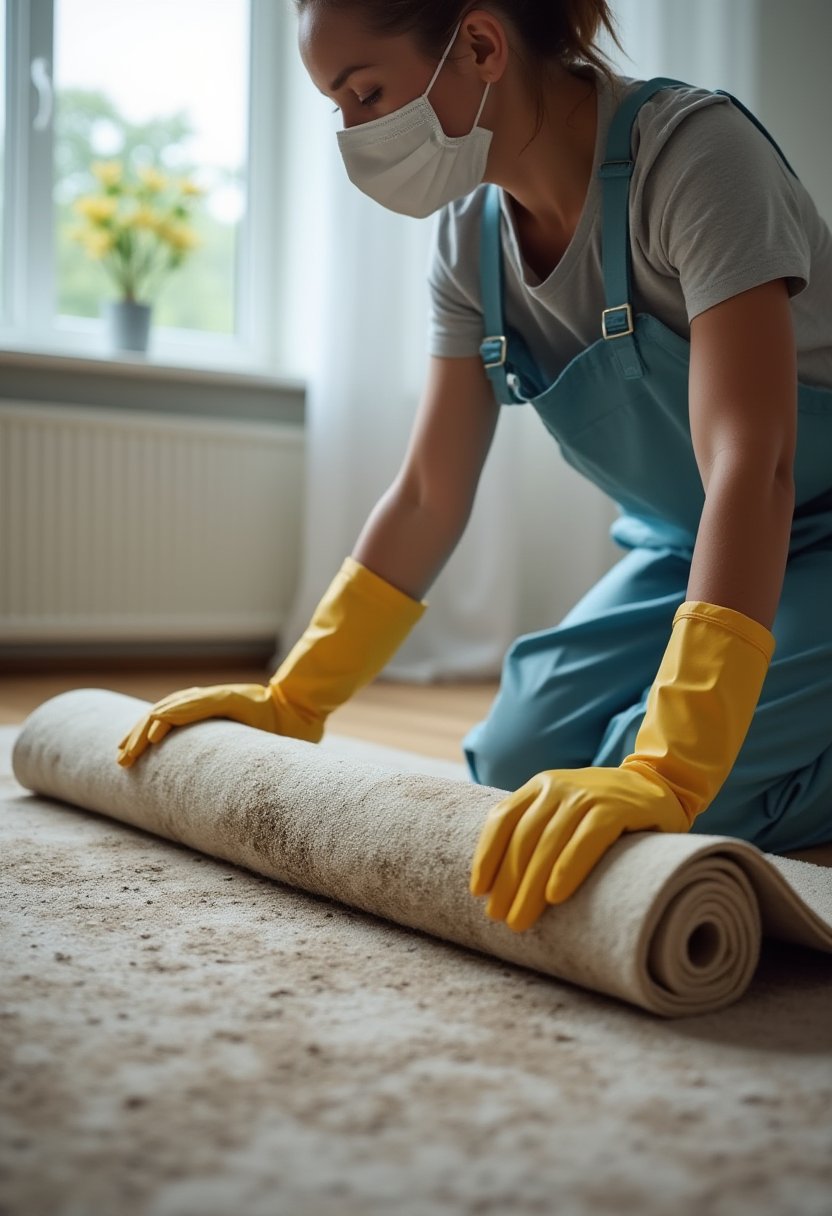
If mould’s already visible or you can smell that musty, damp-house smell, treat it as a health question first and a disposal question second. Mould can trigger allergic reactions and breathing problems, and it’s worth taking seriously for anyone in the household with asthma, a weakened immune system, or who’s very young, pregnant or older. If that’s your household, check with your GP or call NURSE-ON-CALL before you’re pulling up carpet yourself.
For everyone else, open the windows, wear gloves and a well-fitted mask while you’re handling it, and don’t drag mouldy carpet through the rest of the house. Roll it with the mouldy side in, bag what you can, and get it outside. That’s where wet carpet disposal actually becomes a physical job rather than a health one, and it’s the point where it’s worth having help lined up rather than wrestling a sodden roll down the hallway on your own.
Who’s responsible, insurance and rental rules in Victoria
If you own the place, this one’s between you and your insurer. Most home and contents policies cover burst pipes and sudden water damage, but confirm it with them before you touch anything, because wet carpet disposal decisions made too early can complicate a claim. Get their sign-off, or at least a clear steer, before the carpet goes in the bin.
Renting changes the maths. Landlords are on the hook for urgent repairs, capped at $2,500, and since November 2025 Victoria’s minimum standards for rental properties have tightened what counts as liveable, which strengthens a tenant’s case for a quick fix rather than a slow one. If your landlord or agent is dragging their feet, Consumer Affairs Victoria or Rental Dispute Resolution Victoria can help. None of this is legal advice, just the general shape of it, so check the specifics against your own lease and policy before you act.
Getting rid of it, disposal options in Melbourne
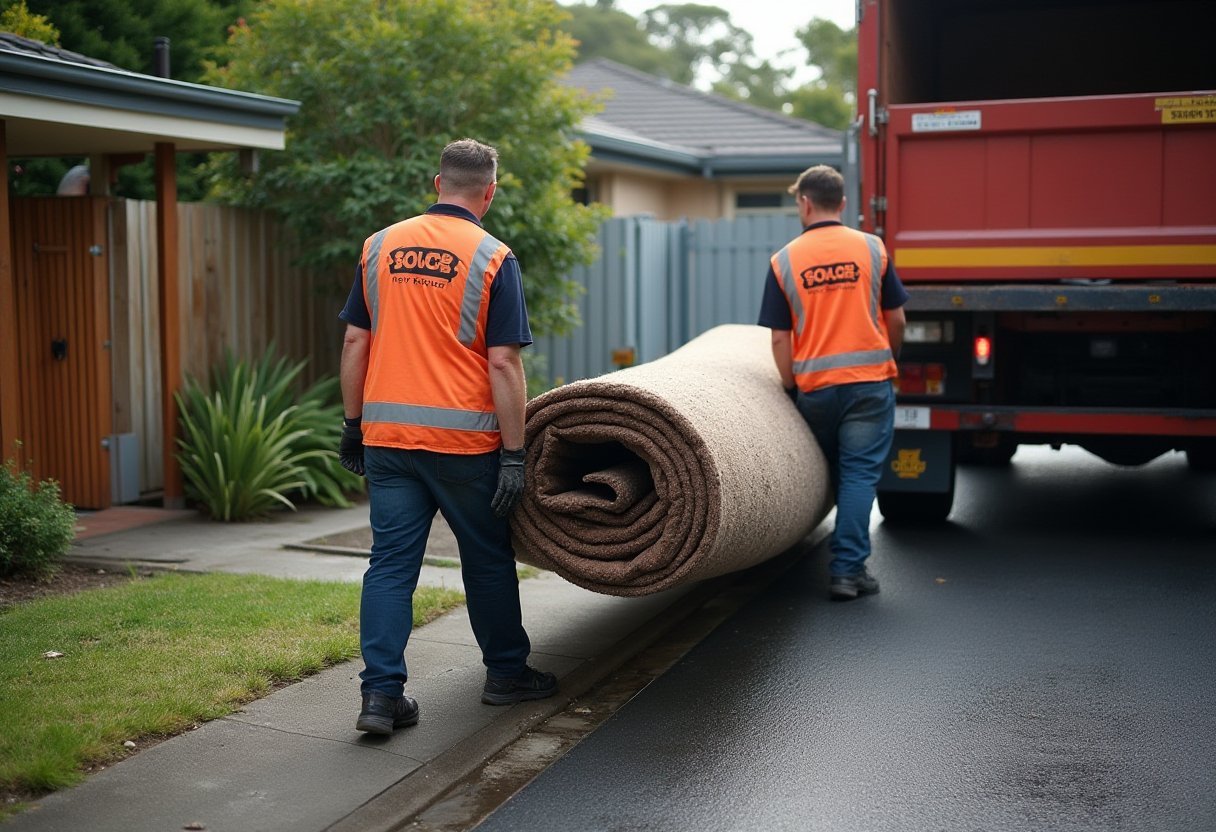
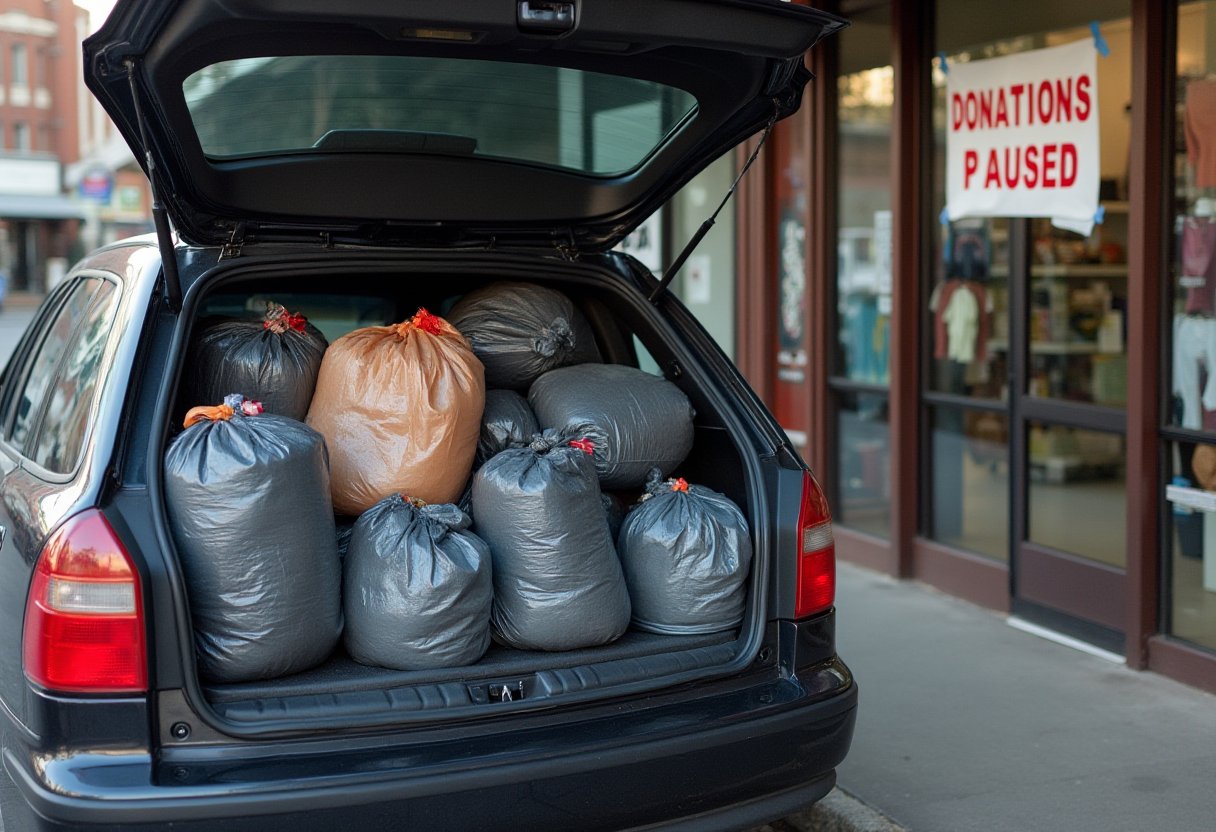
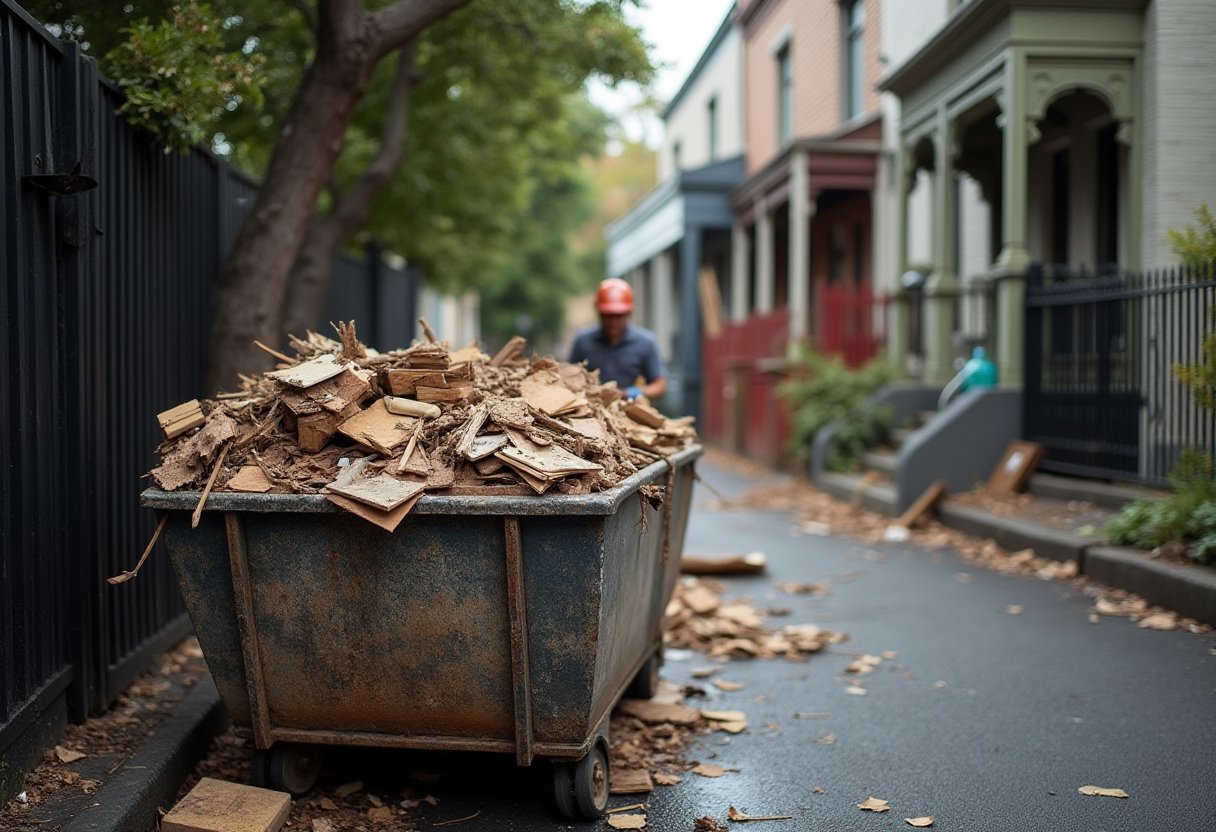
Once you’ve made the call, either with your insurer’s sign-off or your own judgement, wet carpet disposal in Melbourne isn’t as simple as wheeling it to the kerb. Council hard waste collections have limits on quantity and what they’ll take, and a wet, mouldy underlay-and-carpet combo from a renovation or a full-room replacement often exceeds what a hard waste booking is set up to handle, particularly if you’re in an apartment or don’t have easy street access. Carpet is also heavy and awkward once it’s saturated, which is exactly the kind of job that turns into a two-person, do-your-back-in exercise.
This is where It’s Done comes in. Once you’ve dried things out, dealt with any mould, and squared things away with your insurer if there’s a claim, we’ll come and take the ruined carpet and underlay away properly, no council booking window to work around. Give the team a call on (03) 9820 1927 for a free quote once you’re ready to have it gone.
Dry it fast, then let the insurer decide
The ’24 to 48 hours and the carpet’s ruined’ line is an industry rule of thumb, not an official government standard. Dry things out fast, get your insurer’s sign-off before deciding on wet carpet disposal, and if anyone at-risk is in the house, follow Better Health Channel’s mould guidance. Don’t assume council hard waste will take renovation-scale carpet, it often won’t.
Frequently Asked Questions
No. The ’48 hours and it’s ruined’ line gets repeated everywhere, but it’s an industry rule of thumb, not an Australian or Victorian government standard. Genuine health guidance from bodies like the Department of Health focuses on drying things out quickly and keeping an eye on anyone in the household who’s more vulnerable, such as babies, older residents or people with respiratory conditions, rather than a strict hour count. In practice, a carpet that’s been sitting under a slow leak in a spare room often has more life left in it than one soaked through from a burst pipe near a heating duct. Check it properly before you assume it’s bin-bound.
Start with how it was wet and for how long. Clean water from a burst supply pipe, caught and dried within a day or two with fans and dehumidifiers running, often dries out fine, underlay included if you’re lucky. Carpet soaked by grey water, sitting in standing water, or already smelling musty is a different story, and that smell usually means the underlay has to go even if the carpet looks okay on top. If you’re not sure, a flooring restorer or your insurer’s assessor can tell you in minutes whether it’s worth drying or better replaced.
Often yes, if the damage is sudden and accidental, like a pipe bursting rather than a slow leak you’d reasonably have noticed and fixed sooner. This is exactly why it pays to call your insurer before you rip anything up. Get their sign-off, and photograph the damage first, on the date it happened if you can. Since Victoria’s rental minimum standards changed in November 2025, landlords also carry clearer obligations to act on damp and mould promptly, which matters if you’re renting and wondering who’s on the hook for the carpet.
Not necessarily, and it trips people up. Councils across the inner-south and inner-east, including Stonnington, Boroondara and Yarra, generally run hard waste as a booked, scheduled service with limits on volume and item type, and a single soggy room’s worth of carpet and underlay from a renovation can easily exceed what’s allowed in one go. It’s also heavy, awkward to carry to the kerb, and unpleasant to store while you wait for your booking to come around. That’s usually where a rubbish removal service is worth the call.
Once the decision’s made, either with your insurer or on your own judgement, the main job is getting wet, heavy carpet and underlay out of the house without dragging mould through your hallway. If you’d rather not haul it out yourself, give the team at It’s Done a call on (03) 9820 1927. We’ll come and quote it for free, and get it out sorted, without the mess left behind.
A quick note on safety. It’s Done Rubbish Removal does not remove asbestos, hazardous chemicals, gas bottles, or medical and biohazard waste. These materials must be handled and disposed of by a licensed specialist under Victorian and Australian regulations. If you think any of your waste may contain asbestos or hazardous material, stop and arrange a licensed asbestos or hazardous-waste specialist before any work begins. When in doubt, give us a call and we’ll point you in the right direction.
A note on pricing. Any prices mentioned here are indicative only and depend on the volume and type of rubbish, access, and the job on the day. For an accurate figure, book a free, no-obligation quote on (03) 9820 1927.