

Understanding deceased estates
First, a plain-English run-down of what a deceased estate actually is.What clearing a deceased estate involves
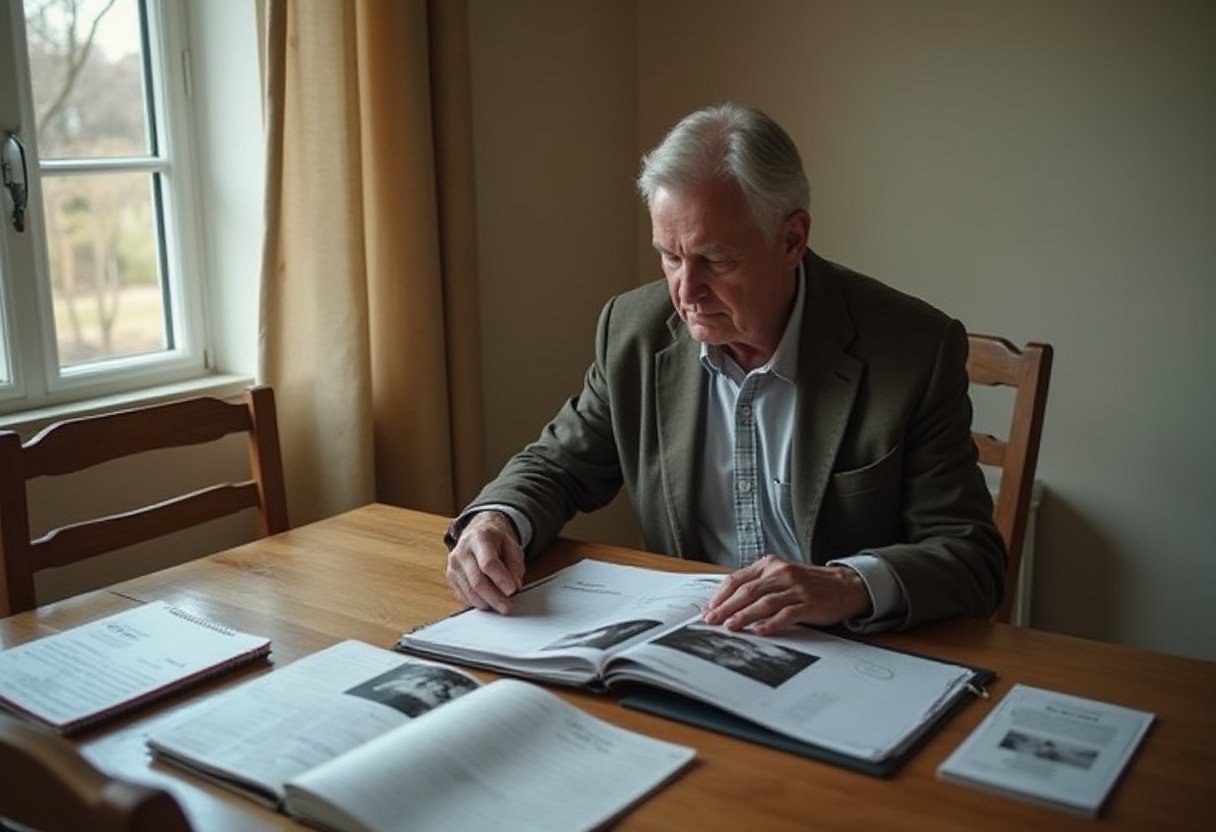
Clearing a deceased estate means going through a loved one’s home and settling their affairs after they have passed. It covers the personal side, deciding what’s kept, donated or let go, and the practical side, like rubbish removal and getting the property ready to sell or hand on. There’s usually a legal layer too, handled by an executor or an estate lawyer. None of it has to happen quickly, and you don’t have to manage every part yourself. If you would rather not do the lifting and carting yourself, that physical side is what a deceased estate clearance crew takes care of. The rest of this guide walks through doing it yourself, at whatever pace suits you.The executor’s role
The executor is the person named in the will to settle the estate. You might also hear the words administrator or personal representative. It’s a big job, and it usually includes:- finding the will and lodging it with the probate office
- letting the beneficiaries know what they have been left
- paying any outstanding debts and taxes
- closing accounts, utilities and subscriptions
- passing on what’s left, like a property or a car, to the people named
First steps after losing someone
The first days are a blur for most people. If you aren’t sure where to begin, here are a few gentle first steps:- Give yourself room to grieve. Lean on the people who will just listen. If you need more, a bereavement counsellor can help.
- Make the home secure. Change the locks if that feels right, and redirect the mail to whoever is handling things.
- Jot down what’s in the home when you’re able. A rough inventory makes the sorting easier later, and helps you spot anything valuable before it’s moved.
- Find the key documents: the will first, then insurance, bank statements, property deeds and vehicle papers.
Coping with the emotional side
Clearing a home stirs up a lot. Folding a jumper or finding a handwritten note can bring grief flooding back without warning. That’s normal, and it’s okay to stop when it does.How grief can show up
Everyone grieves differently. You might feel:- sadness, anger, guilt, or a strange numbness
- overwhelmed one minute and flat the next
- tears that arrive out of nowhere
- tiredness, foggy thinking, trouble concentrating
- little motivation, and a pull to withdraw from people
Looking after yourself
Your wellbeing comes first here. A few things that help:- Take regular breaks. Drink water, eat properly, and don’t push through exhaustion.
- Keep one small steadying routine: a morning walk, a few lines in a journal, whatever grounds you.
- Reach out to a grief support group, in person or online, and to friends who knew your loved one well.
- Consider bereavement counselling to help make sense of it all.
- Look into any financial support you might be entitled to, such as a bereavement payment.
Getting ready to clear the property
Once the early grief eases a little and the estate needs attention, a simple plan gives you something to hold onto.Making a list of what’s there
Before anything starts to move, it helps to know what’s actually in the home:- Go room by room, the kitchen, the bedrooms, the garage, the shed, and note what’s there. That list, with a few photos, is the start of what to keep for the beneficiaries after the clearance.
- Flag anything that might need a valuation, like jewellery, antiques or artwork, so nothing precious gets moved on by mistake.
- Photograph the keepsakes and the little arrangements they loved, a bookshelf or a mantelpiece, before anything shifts.
Gathering the important paperwork
The paperwork matters as much as the belongings, so gather it as you go:- Collect the estate paperwork: the death certificate, the will, financial statements and any bills owing.
- Keep it together somewhere safe but easy for the executor to reach. A lockbox works well.
- Order several certified copies of the death certificate. Banks and other organisations each want their own.
Securing the home
If the place is going to sit empty for a while, it’s worth keeping it safe:- Change the locks if you need to, and only hand keys to the people helping with the estate.
- Let any alarm or security provider know, and update the contacts on the account.
- Redirect the post to whoever is managing things.
Setting a realistic timeline
A loose plan takes the pressure off and keeps everyone on the same page:- Sketch out rough dates for the paperwork, the sorting and the clear-out, and break the big jobs into smaller ones.
- Tell the family the plan before anything is moved on, so everyone has time to claim a keepsake.
- Block out proper days for sorting. It takes longer than people expect, and that’s fine.
Sorting through belongings
There can be a pull to rush this and get it over with. But a home holds a lot of someone, in the books, the photos, the worn-in chair. Go gently, and treat each thing as something a family member might one day be glad you kept.Sorting into groups
As you work through a room, it helps to sort into four piles:- Keepsakes and heirlooms, the things with real meaning or history.
- Valuables, anything worth getting valued before it’s shared out, like good jewellery.
- To donate, clothes, furniture and linen in good nick that a charity will be glad of.
- Rubbish, the broken and worn-out items no one can use.
Looking after precious items
Some things carry real weight, a wedding ring, a bundle of old letters. Give those extra care:- For anything valuable, find a proper valuer, in fine art or jewellery for example, before it’s shared or sold.
- Talk through the sentimental pieces with family before anything is decided. Sometimes the answer is to share, or to scan and copy.
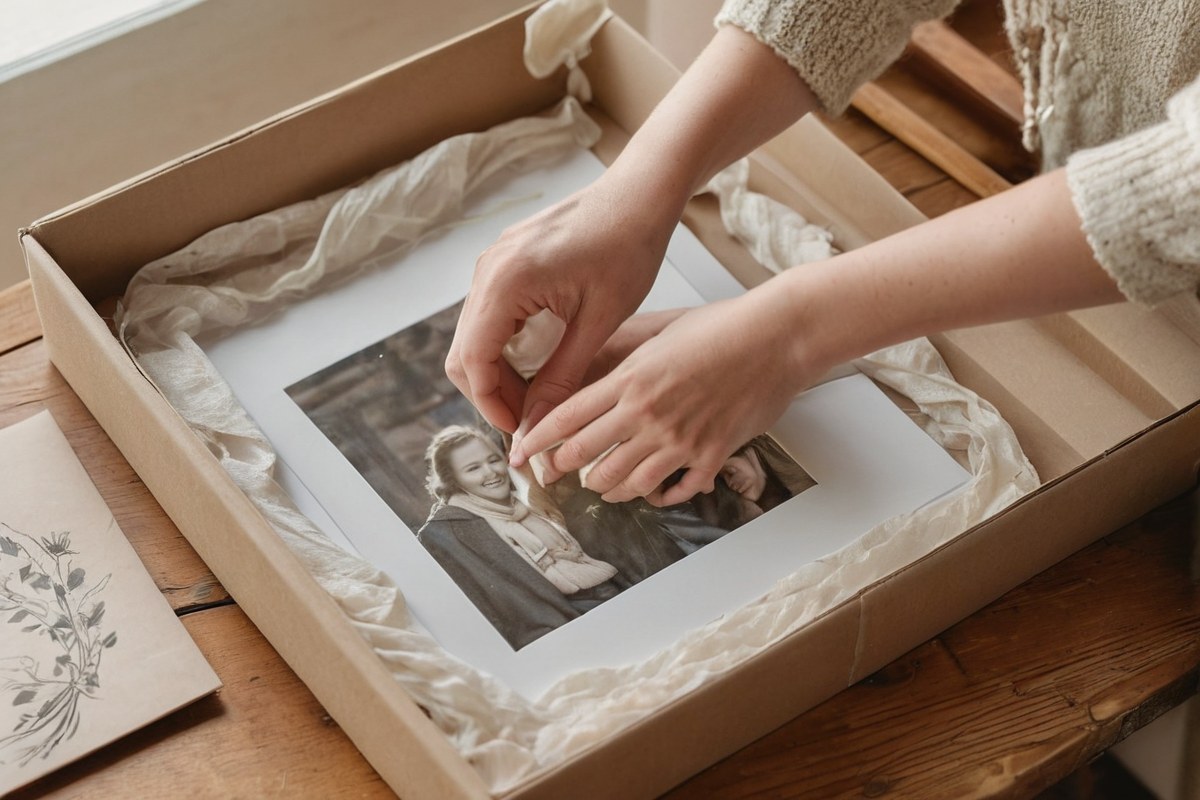
- Protect fragile paper, photos and letters by scanning them and keeping a backup or two.
Clearing the rubbish
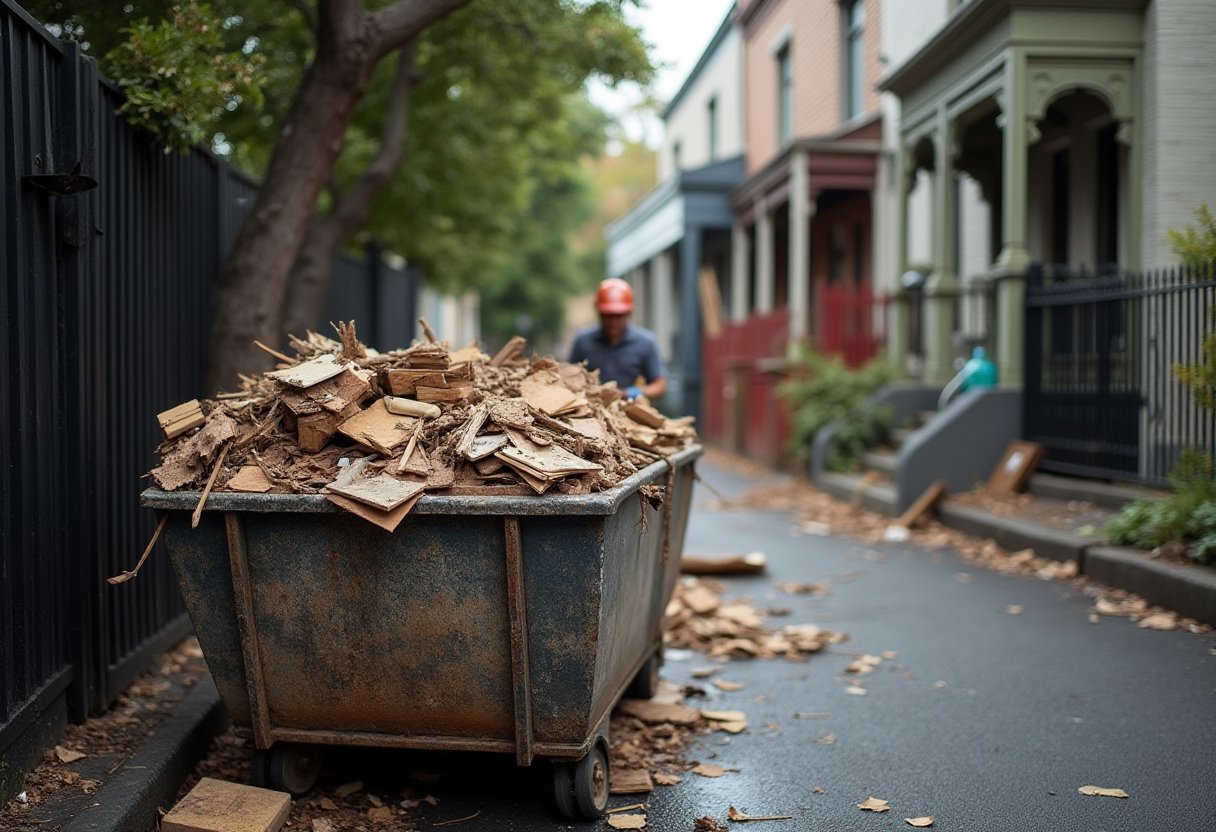
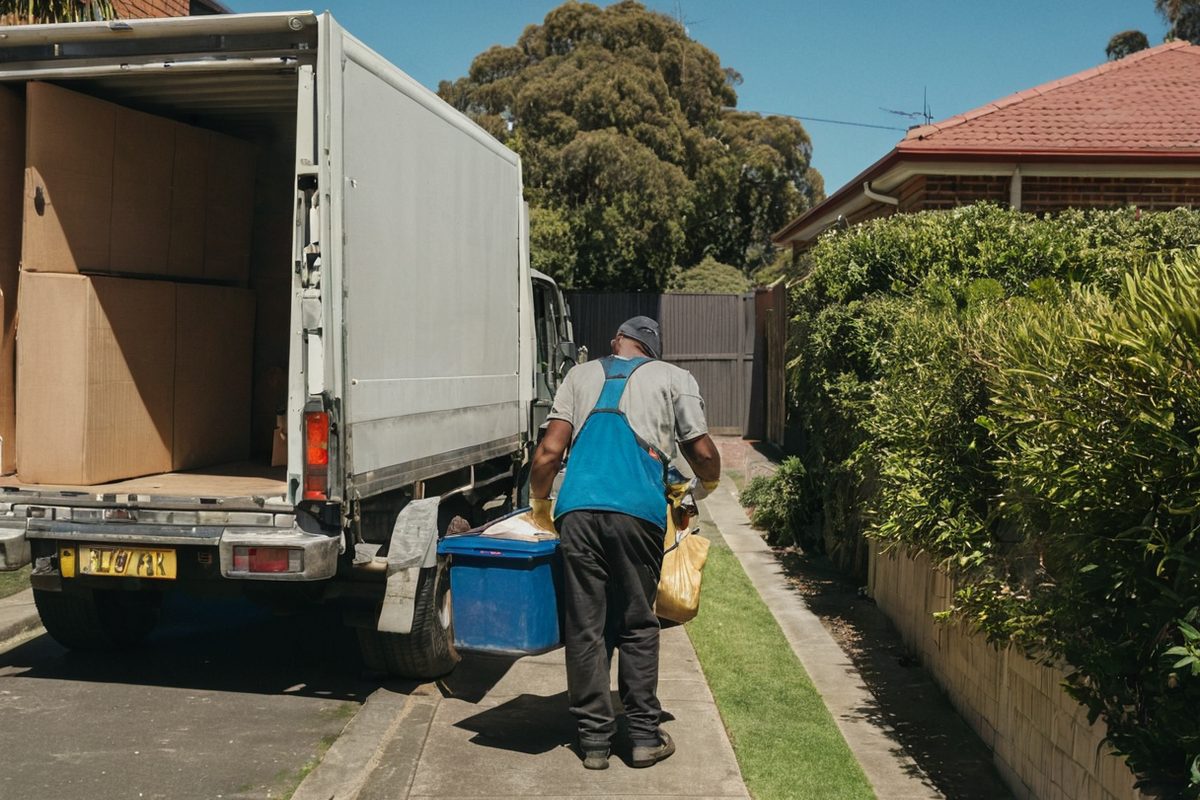
When you’ve sorted through decades of a life, there’s almost always a fair bit left to clear. To keep it simple:- Bring in a local team that can shift a large load in one go, without you doing the lifting.
- Separate out the recycling, anything hazardous, and the general waste.
- Drop batteries, electronics and chemicals at your council’s hazardous waste collection. In Stonnington and most inner-south councils that’s a quick booking.
Getting the property sale-ready
Selling the home is often part of settling the estate. A clear, clean house shows far better, so this is where a bit of help pays off.Selling what’s left over
Good, usable furniture and pieces are often left once the keepsakes are chosen. A few ways to move them on:- Hold an estate sale for the larger items once the family has chosen their keepsakes.
- An estate sale company can photograph, price and sell it for you, for a commission.
- Smaller valuables, like watches or decent decor, often sell well online.
A proper clean before listing
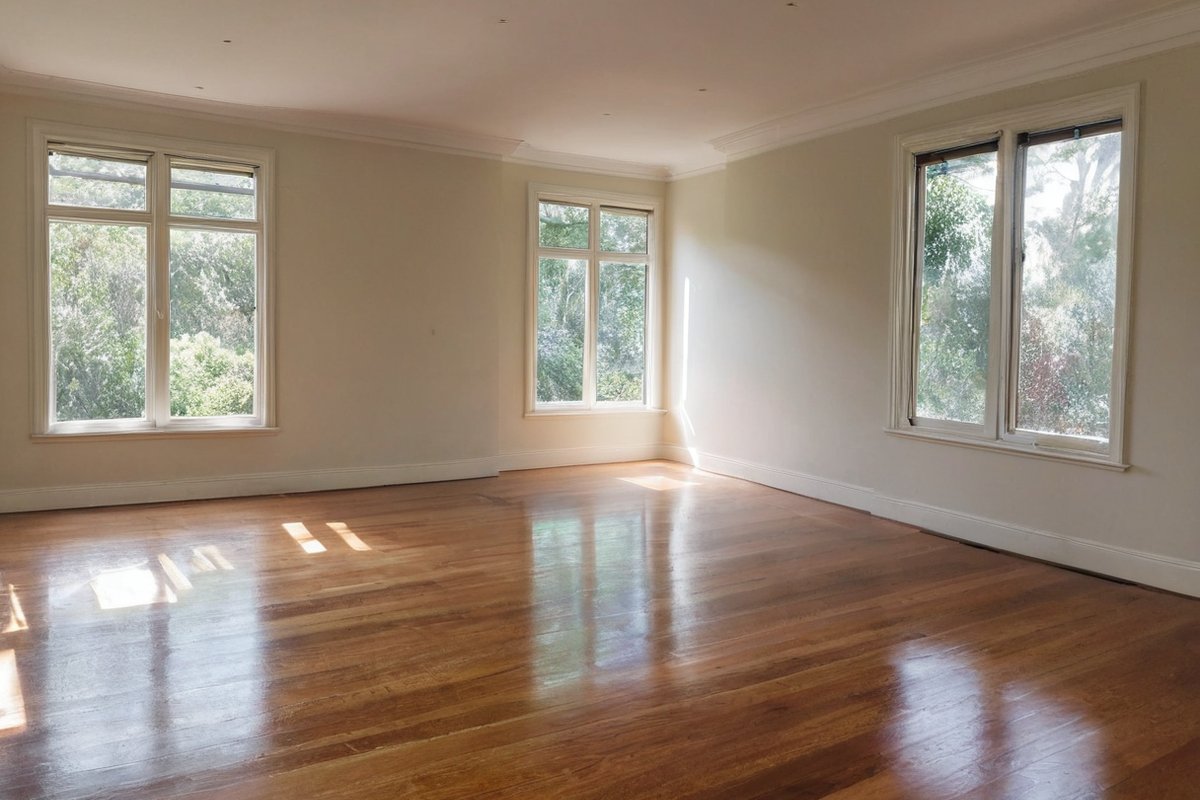
Book a cleaner who has done end-of-occupancy work before. A pre-sale clean usually covers:- scrubbing the kitchen and bathrooms back to fresh
- washing the floors and vacuuming through
- clearing cobwebs from cupboards and corners
- wiping down vents and fittings
- polishing the taps and handles
Styling the home for sale
A good stylist knows how to show off a home’s best features with the right furniture and finishing touches. Styled homes tend to sell for more, and the hire pieces get collected once it’s sold.When to bring in help
If it all gets too heavy, at any point, there are people in Melbourne who do this work with real care. There’s no prize for doing it alone.How a clearance service helps
A good deceased estate team sorts, clears and cleans with respect, so the family can grieve without the logistics on top. That usually means:- knowing the steps and the paperwork side
- working through a full house without dragging it out
- handling the precious things gently
- clearing the rubbish and the bulky items
- helping get the place clean and ready to list
- passing good, unwanted goods on to charity
How It’s Done can help
We’ve been clearing deceased estates for Melbourne families since 2008, back when Rob started the business after years at Stonnington Council. A few things worth knowing about working with us:- You decide what stays and what goes. If we come across something that looks like it matters, we’ll check with you before it moves.
- We recycle, donate or dispose of things responsibly, depending on what they are.
- We know a lot of the right people around Melbourne, and we’re happy to point you to a valuer, a cleaner or a stylist if you need one.
- It’s a two-person crew and all-inclusive pricing, so there’s no heavy lifting for you and no surprises at the end.
Signs it’s time to call someone
It might be worth bringing in help if:- you aren’t local, or you’re short on time and need it done quickly
- the home isn’t safe to clear, with blocked rooms, biohazards or pests
- there’s serious hoarding that needs careful, sensitive handling
- you simply don’t have it in you to face a whole house alone, which is completely understandable
Frequently asked questions
Not always. You can usually begin sorting belongings and clearing rubbish before probate comes through. It mainly matters when you sell the property or transfer larger assets, so check with the estate’s solicitor before the home goes on the market.
Usually the executor named in the will, or an administrator if there’s no will. They don’t have to do the physical work themselves, though. Most people share it with family, or bring in a clearance team for the heavy part.
It depends on the size of the home and how much sorting is involved. A small unit might take a day or two. A full family home with decades of belongings can take a week or more once you factor in the emotional side. There’s no need to rush it.
The cost normally comes out of the estate itself, not the family’s own pockets. Keep the receipts and invoices, as the executor accounts for these expenses when settling the estate. If money is tight before probate, talk to the solicitor about how the costs are handled.
Anything that might be valuable, sentimental or legally important. That means jewellery, antiques and artwork, photos and letters, and paperwork like the will, financial statements and the death certificate. When in doubt, set it aside and photograph it rather than letting it go.
Plenty of families aren’t nearby, and that’s okay. You can hand the hands-on work to a local clearance team, ask them to set aside keepsakes, valuables and documents, and stay in touch by phone or photos. We do this often for families who can’t be in Melbourne for the clearance.
It’s completely normal. Letting go of everyday things can feel like letting go of the person, and that’s a heavy thing to carry. Keeping a few meaningful pieces, and photographing others before they go, helps many people feel at peace with the decisions. Be kind to yourself. You’re doing your best in a hard situation.