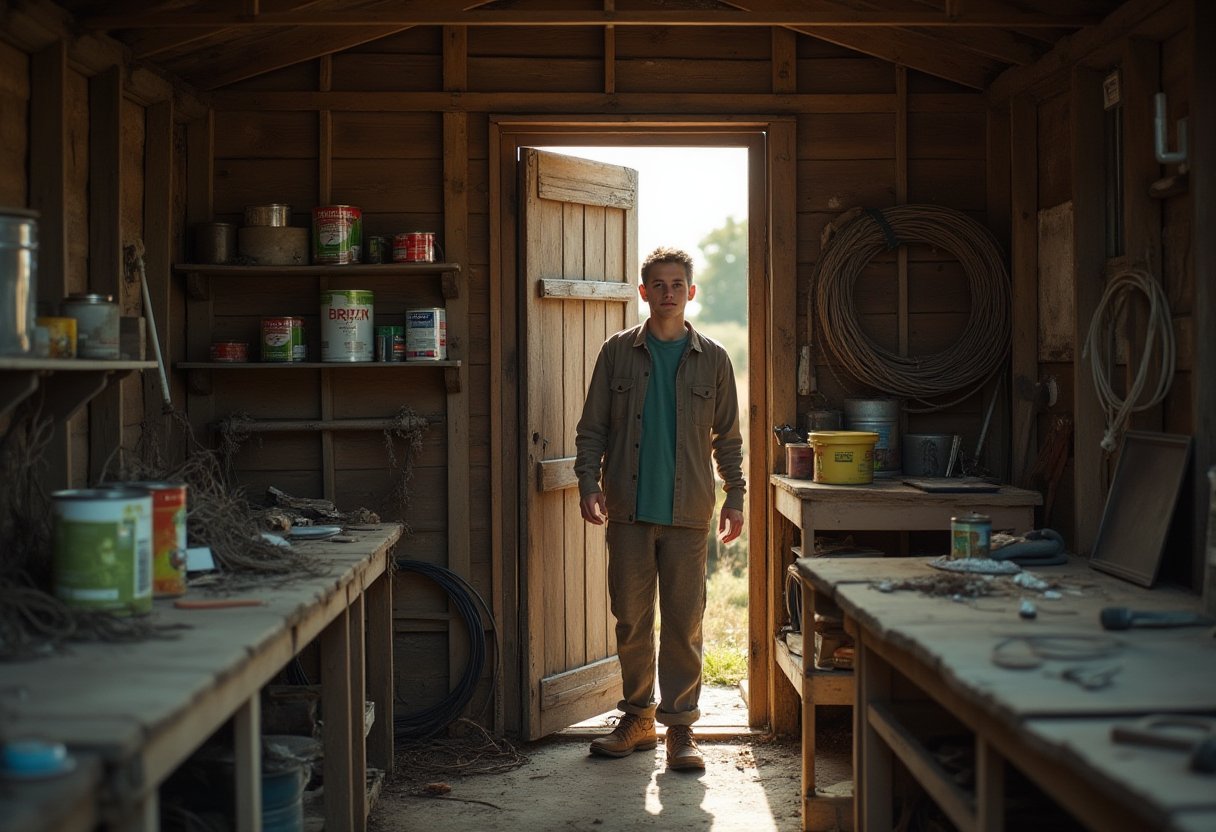
Clearing parents’ shed is nothing like clearing the rest of the house. It’s the room with 40 years of paint tins, off-cuts, old fencing wire and a workbench nobody’s touched since before you moved out, and it’s often the one place where asbestos sheeting or old fibro lining could be hiding behind the timber. Before anyone touches a tool or lifts a box, that’s worth ruling out properly. Once you know the shed is safe to work in, there’s no single right way to do the rest, and no reason to rush the parts that aren’t really about rubbish at all.
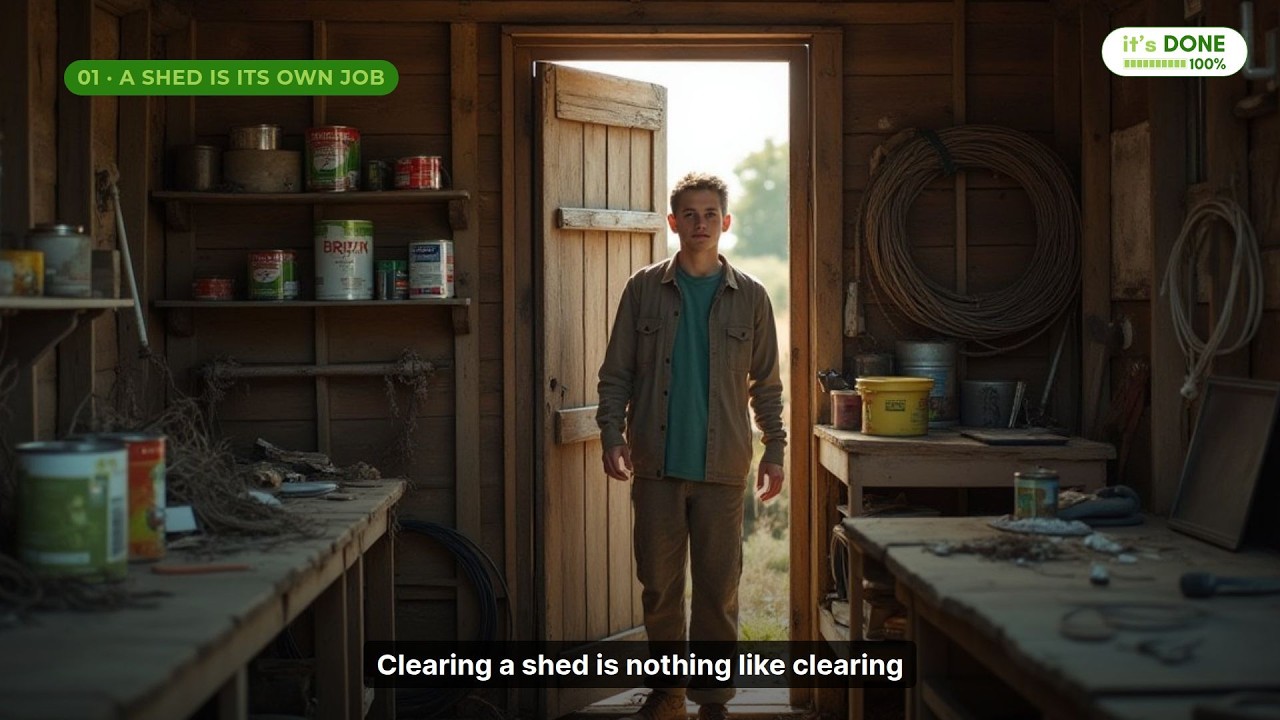
Before you start: safety, asbestos and timing
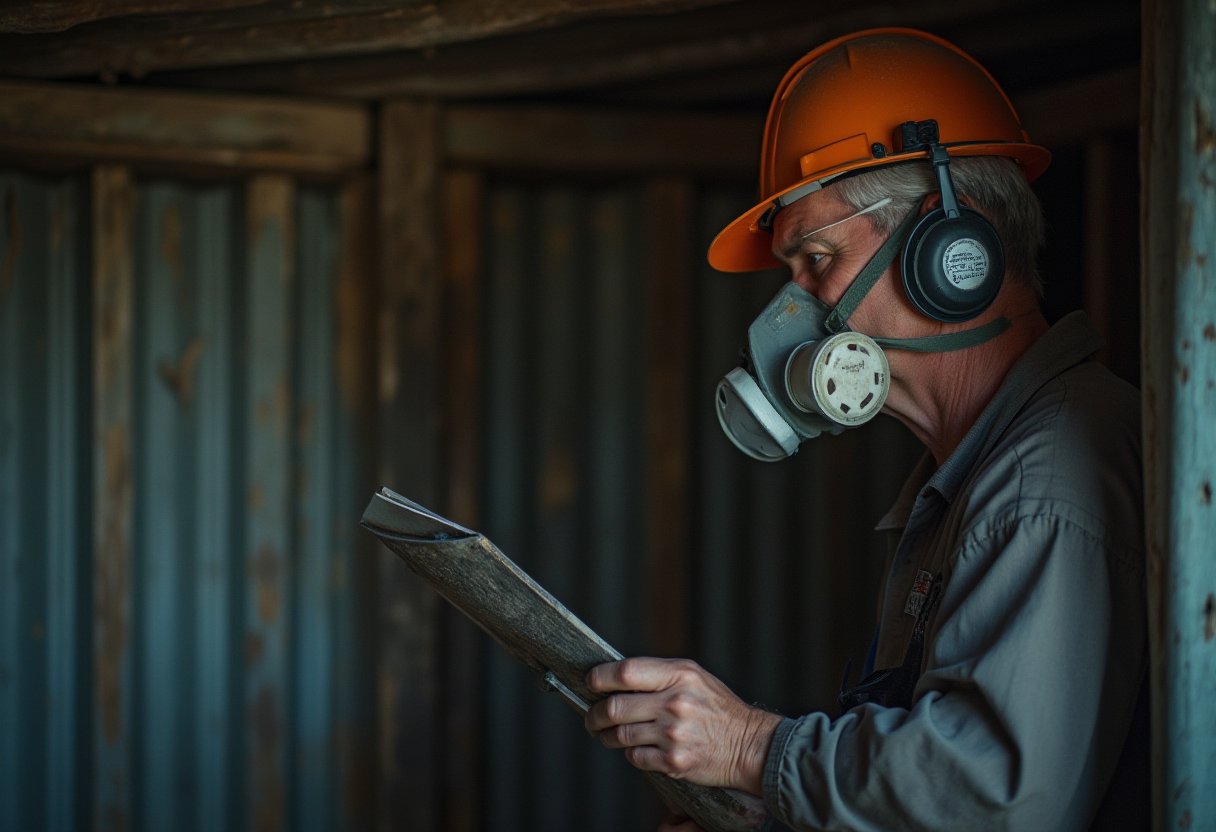
Before you sort a single box, look at the shed itself. If it was built or lined before the mid-1980s, there’s a real chance the wall sheeting, eaves or old flooring contain asbestos, and that’s not something to guess at. Fibro sheets can look perfectly sound and still be dangerous once disturbed, especially if a fitting is drilled, a panel is cracked, or old off-cuts get shifted around. The safe approach is to have it checked and, if needed, removed by a licensed professional before anyone spends real time working in there. It’s a small delay against a genuine health risk, and it’s worth building into your plan from day one.
Once the shed’s been given the all-clear, there’s no rush on the rest. Clearing parents’ shed is rarely a weekend job, and treating it like one is how good tools end up on the verge and photos end up in the skip by accident. Some families need a single Saturday to get it done; others need a few visits spread over months, especially if siblings are involved or the shed belonged to someone who’s passed away. Both are fine. If timing feels heavy on top of everything else, that’s worth naming to whoever you’re doing this with rather than pushing through it alone.
Think of this stage as clearing the way, not clearing the shed. Once it’s safe to be in, you can slow down and deal with what’s actually inside on your own terms.
Sorting: what to keep, sell, donate or scrap
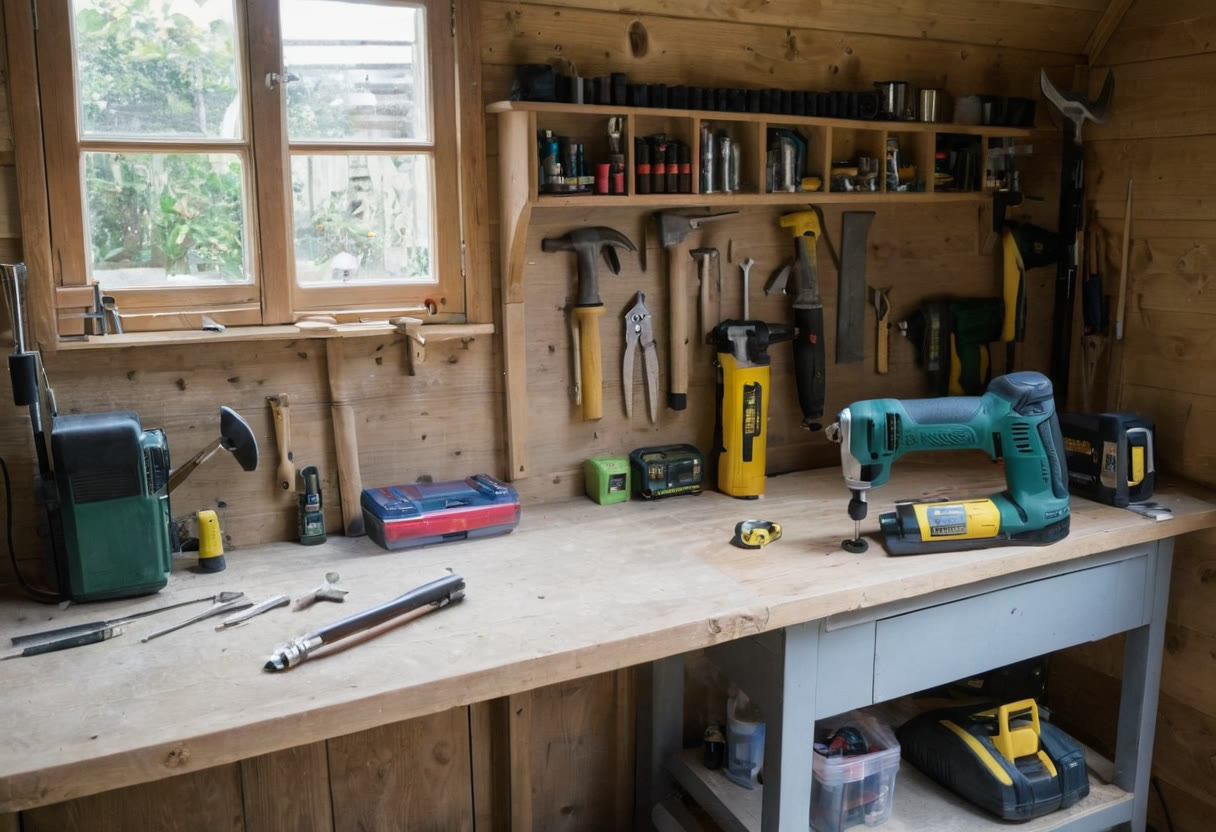
Once the shed’s been checked over and it’s safe to spend real time in, sorting is the next job, and there’s no single right way to do it. Some families work suburb by suburb through the shelves in an afternoon. Others need to sit with a box of tools for a week before deciding anything. Both get you there.
A rough four-pile system helps: keep, sell, donate, scrap. Keep is for anything with real sentimental weight or genuine use, a good drill, a set of hand tools someone in the family will actually pick up again. Sell covers the stuff with decent resale value but no emotional pull: quality power tools, ride-on mowers, workshop equipment in good nick. Marketplace or a local tool dealer usually does better than letting it sit for months.
Donate is for anything usable that nobody in the family wants. Vinnies takes furniture, tools and general household goods in good condition, and it’s a straightforward way to make sure things get a second life rather than landfill.
Scrap is everything else: rusted-through equipment, dead paint tins, anything not worth anyone’s time. That’s where clearing parents’ shed often gets slow, not because the sorting is hard, but because deciding something is truly rubbish feels bigger than it is. Take your time with that pile. It’ll still be there tomorrow.
Where it goes: hazardous waste, e-waste and hard rubbish
Before anything else moves, check the shed itself. If it’s an older weatherboard or fibro build, particularly anything put up before the mid-1980s, get it assessed for asbestos before you start pulling things off shelves or shifting sheeting. It’s a five-minute call to a licensed assessor and it means everyone in the family can breathe easy, literally, while clearing your parents’ shed.
Once that’s sorted, most of what’s left has a straightforward destination.
- Paint, chemicals, fuel and batteries need to go to a Detox Your Home or transfer station drop-off, not the general bin.
- E-waste, dead power tools, old radios, anything with a cord or a battery, is banned from landfill in Victoria and needs a dedicated e-waste drop-off point, which most councils run through their transfer stations.
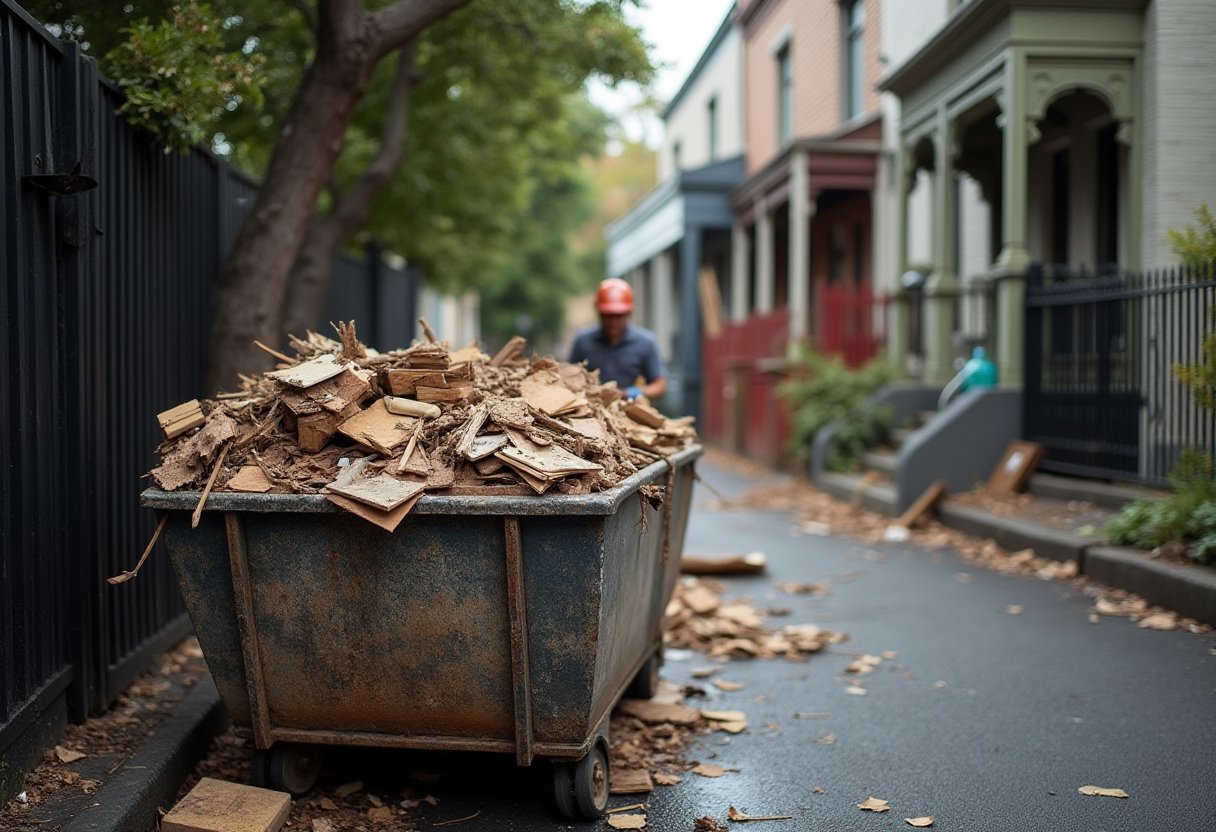
- Genuine hard rubbish, broken furniture, old fencing, whitegoods, can usually go out with a council hard rubbish collection if you’re not in a hurry, though bookings often run weeks out and most councils cap what they’ll take in one go.
If the shed’s bigger than a booking will handle, or you just want it gone in one hit rather than staged over council timelines, that’s where a rubbish removal team comes in. Either way works. It just depends how much time you’ve got.
When it’s a family job: siblings and sentimental gear

Clearing parents’ shed rarely happens with just one person holding the ladder. There’s usually a brother who wants to keep every tool Dad ever owned, a sister who just wants it done, and nobody quite willing to say what everyone’s thinking: none of you actually know what half of it is for.
That’s normal. A shed is where blokes of a certain generation kept their identity as much as their gear, and going through it can stir up more than you expect. Give yourselves permission to go slow on the sentimental stuff even while you’re moving fast on the obvious rubbish. Set aside a box for anything nobody’s ready to decide on today. It doesn’t need resolving this weekend.
If the estate side of things feels tangled too, free legal guidance on deceased estates can help sort out what needs sign-off before anything leaves the property.
Practically, it helps to split the job: one person handles logistics (bins, bookings, what’s getting picked up when), another handles the “does anyone want this” pile. Photograph anything sentimental before it goes, even if nobody’s taking it home. It settles more arguments than you’d think.
There is no tidy end date
There’s no tidy end date for clearing your dad’s shed, and that’s fine. Rule out asbestos first, always, using a licensed assessment before anything gets moved. After that, let logistics and sentiment run on separate tracks: book the hard rubbish, sort the e-waste, drop the good tools at Vinnies, and let the keepsakes take as long as they need. Clearing parents’ shed contents doesn’t have to happen in one weekend, or even one visit. Handled at your own pace, it stops being a job you’re dreading and becomes one you can actually finish well.
Frequently Asked Questions
If the shed was built before the mid-1980s, treat it as a possibility until proven otherwise. Common signs are flat or corrugated fibro sheeting on the walls or roof, and older lino or vinyl flooring. Don’t drill, cut, sand or sweep anything that looks like it, since disturbing it is what creates risk, not the material sitting there quietly. A licensed asbestos assessor can test a sample properly, and most inner-Melbourne councils, including Stonnington and Boroondara, list approved assessors and removalists on their websites. Get that confirmed first. Everything else in the clear-out, sorting tools, deciding what to keep, can wait a few days for a test result. It’s not worth guessing on this one.
These can’t go in a wheelie bin, a skip bin, or hard rubbish, full stop. Half-used tins of paint, old two-stroke fuel, weedkiller and pool chemicals all count as household hazardous waste. Most Melbourne councils run free detoxification drop-off days a few times a year, and some, like Stonnington, have a permanent facility. Check your council’s website for the next date before you start clearing shelves, so you’re not left storing chemicals in the garage for months. If there’s a lot of it, a rubbish removal team that’s licensed to handle hazardous waste can take it off your hands in one go instead.
Only a small handful of tools are genuinely worth selling: named brands like Makita, Festool or older Sidchrome sets in good condition, plus anything still in its box. Most of a well-used shed, the mismatched screwdrivers, half-empty tins of screws, timber offcuts, isn’t worth the time it takes to photograph and list. Men’s Sheds across the inner-east and bayside, including Prahran and Brighton, are always glad to take working hand tools and small machinery, and it means they get used rather than sitting in someone else’s garage. Sell the one or two things with real value, donate the rest, and don’t feel you owe every item a market listing.
That’s normal, and there’s no rush to sort it out in one weekend. Set aside anything with obvious sentimental weight, the tools Dad actually used every day, a workbench he built, whatever comes up in conversation, and put it in its own pile or box until everyone’s had a proper look. It helps to separate “decide what to keep” from “clear the shed”, so the second doesn’t get held up by the first. Book the physical clear-out for the tools and materials nobody’s attached to, and let the sentimental pile sit safely to one side until the family’s ready to talk it through properly.