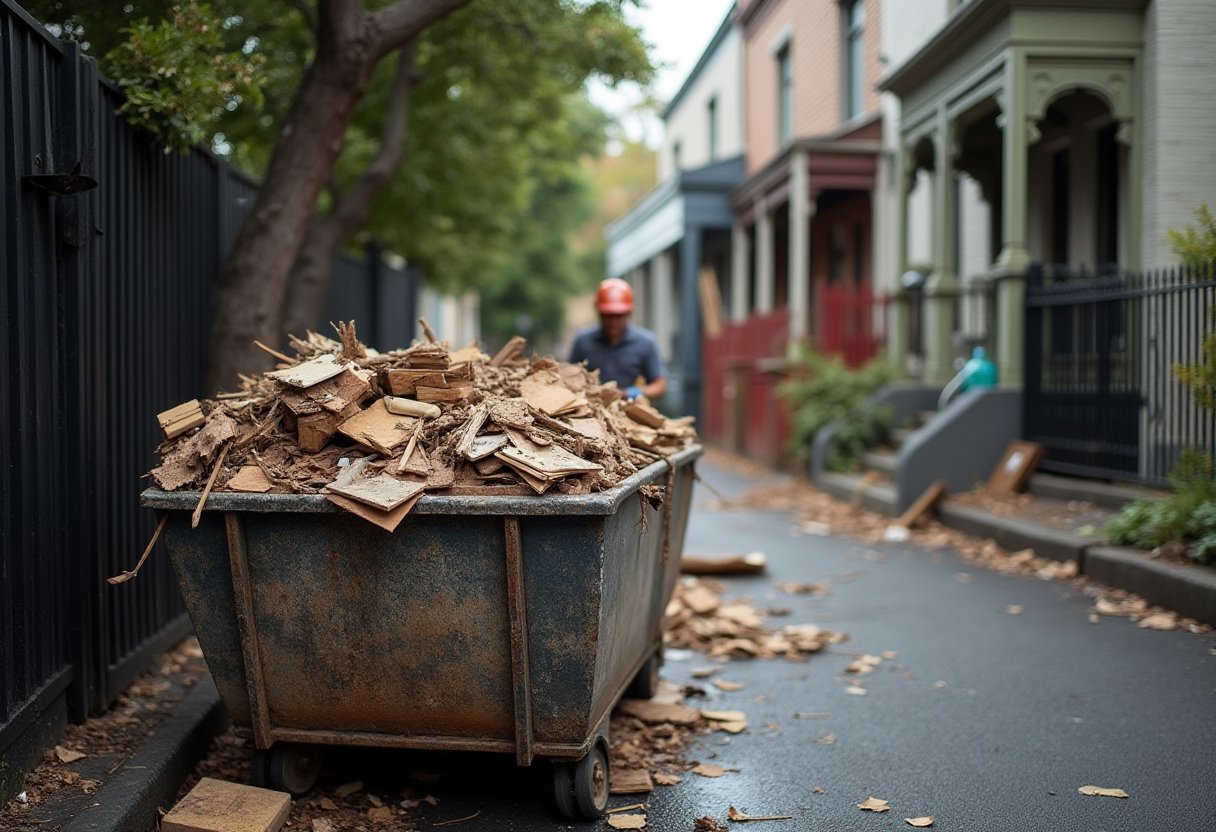

Sorting a deceased estate interstate usually starts with a phone call you weren’t ready to make, followed by a question that keeps you up at night: how do you clear a house in Prahran or Toorak when you’re in Perth, Brisbane or Sydney and can’t just drive over on a Saturday? The honest answer is that only a short list of tasks genuinely needs you here in person, signing things, redirecting mail, sorting the paperwork. Everything else, especially the physical work of emptying the property, can be handed to someone local you trust, without a single flight booked.
Can you run a Melbourne estate from interstate?

Short answer: yes, and more of it than most people expect. Handling a deceased estate interstate usually means splitting the work into two piles, and only one of them needs your physical presence.
The list that needs you (or a document with your actual signature on it) is short. Probate paperwork through the Supreme Court of Victoria, anything requiring a witnessed statutory declaration, and formally redirecting the deceased’s mail, which Australia Post allows a legal representative or next of kin to arrange even under special circumstances without being the account holder. If the property was rented, there’s also a specific declaration for returning the bond that has to come from you as executor or next of kin, not from anyone you delegate to.
Everything else can genuinely be run by someone on the ground in Melbourne. Clearing wardrobes, furniture and decades of accumulated belongings doesn’t need your signature, it needs someone trustworthy with a van and a key. Booking a council hard rubbish collection, coordinating with a real estate agent for access, meeting a locksmith, none of it requires you to be standing in the driveway in Toorak or Prahran.
Once you’ve separated the two piles, the interstate part stops feeling impossible. It’s a handful of documents to sign and post, and a local team you can brief once, by phone.
The paperwork that needs you in Melbourne

Let’s be honest about the short list. A handful of things genuinely can’t be delegated, no matter how good the person doing your clearance is.
If you’re the executor, you’ll need to apply for probate through the Supreme Court of Victoria, and some of that paperwork requires your own signature, witnessed properly. If the estate holds property or accounts interstate, expect an extra layer: assets outside Victoria can mean additional interstate paperwork once probate is granted, which usually still routes through you as executor rather than anyone local. Mail redirection needs your authority too, though Australia Post can process it without you standing at the counter. And if the property was rented, there’s a statutory declaration process for next of kin or legal representatives dealing with the death of a renter, which needs your details and signature.
That’s genuinely it. Everything past that signature is a task, not a legal obligation, which is exactly why a deceased estate interstate situation feels more manageable once you’ve separated the two piles.
The rental property, tenancy and bond, from a distance
If your relative was renting rather than owning, there’s a slightly different process, but it’s still one you can run from Adelaide, Perth or Sydney without much drama. Victoria’s rules set out what happens to a tenancy when a renter dies: the tenancy doesn’t automatically end, but the legal representative (usually the executor or next of kin) can give notice to vacate, and the rental provider can’t charge rent beyond a set point after that. None of this needs you physically in the property.
What it does need is someone keeping the agent or landlord informed, doing the final condition report so the bond isn’t unfairly withheld, and coordinating a hand-back date that gives you time to clear the place properly. That’s where a local team comes in: they can work to a booked-ahead date that lines up with your notice period, so you’re not paying rent on an empty flat for an extra fortnight while you organise things from interstate.
Bond release itself is a paperwork matter between the estate and the Residential Tenancies Bond Authority, sorted separately once the property’s handed back clean and empty.
Clearing the house without being there

Here’s the split that actually matters. A handful of things need you, specifically, in Melbourne, or at least need your signature witnessed properly. Everything else can be handed off completely.
What stays with you: signing as executor once probate is granted through the Supreme Court of Victoria, any statutory declaration that needs a witness, and decisions about what gets kept, sold or donated before anyone touches a thing. If the estate holds assets interstate as well, that can add its own layer of paperwork, but it’s still paperwork you handle from wherever you are, not something that requires a flight.
What doesn’t need you there at all is the physical clearing: sorting rooms, boxing up what’s being kept, arranging council hard rubbish for the rest, and getting the property back to an empty, clean state. That’s the part of a deceased estate interstate job that’s genuinely delegable. Give a local team a floor plan, a list of what to keep, and a key collection arrangement (an agent, a neighbour, a lockbox), and they can do the rest without you needing to be in the room.
Mail redirection is worth sorting early too. Australia Post handles deceased-estate redirections under special circumstances, and it’s one less thing sitting on your desk once the house is empty.
The short list that needs you here
Managing a deceased estate interstate comes down to a short list: witnessed signatures, probate paperwork through the Supreme Court, and anything a bank or title office insists you sign in person. That list is fixed, and no amount of organising shrinks it.
Everything else, especially clearing the property, is genuinely delegable to a local team you trust. Give them the floor plan, the keep list and a way in, and the house gets sorted while you handle the paperwork from wherever you are.
If you’d like a hand with the Melbourne end of a deceased estate interstate, give us a call on (03) 9820 1927 for a free, no-obligation quote.
Frequently Asked Questions
Not as much as you’d think. The things that genuinely need you (or another local next of kin) there in person are witnessed signatures for probate or grant of representation, setting up mail redirection with Australia Post, and any reseal paperwork if the estate involves a will from another state or country. Banks and utility providers sometimes ask for identity checks that are easier done face to face, though many now accept certified copies sent by post or courier. Everything to do with the physical property itself, the clearance, the cleaning, coordinating trades, does not need you standing in the driveway. Once you know which short list of tasks needs your signature, you can plan one trip (if any) instead of several, and hand the rest to someone you trust locally.
Yes. A local rubbish removal team can do a full walkthrough, sort what’s being kept, donated or removed, and clear the property with you directing things by phone, photos or video call. We’ve worked this way with families in Sydney, Brisbane and overseas who couldn’t get to Melbourne, or didn’t want to face the house in person. You stay in control of decisions, particularly around sentimental items, but you’re not the one lifting furniture or making trips to the tip. It’s worth agreeing a simple system upfront, such as photographing anything uncertain before it’s removed, so there are no surprises later.
Most executors organise a key handover through a real estate agent, a neighbour, a solicitor, or a locked key safe on the property. Let whoever holds the key know the date and rough time window, and give the removal team a direct contact number in case anything needs confirming on the day. If the property is going on the market soon after, it’s worth booking the clearance with enough lead time that agents can get in for photos and staging without a scramble.
Tell the team before the job starts, and they’ll set those items aside, box them and either hold them for courier or arrange a later pickup by family or a removalist. It helps to be specific rather than general, “the jewellery box in the top drawer” works far better than “anything valuable looking”, especially when nobody local knows the house or its history. A short list and a couple of reference photos usually sorts this out well in advance.