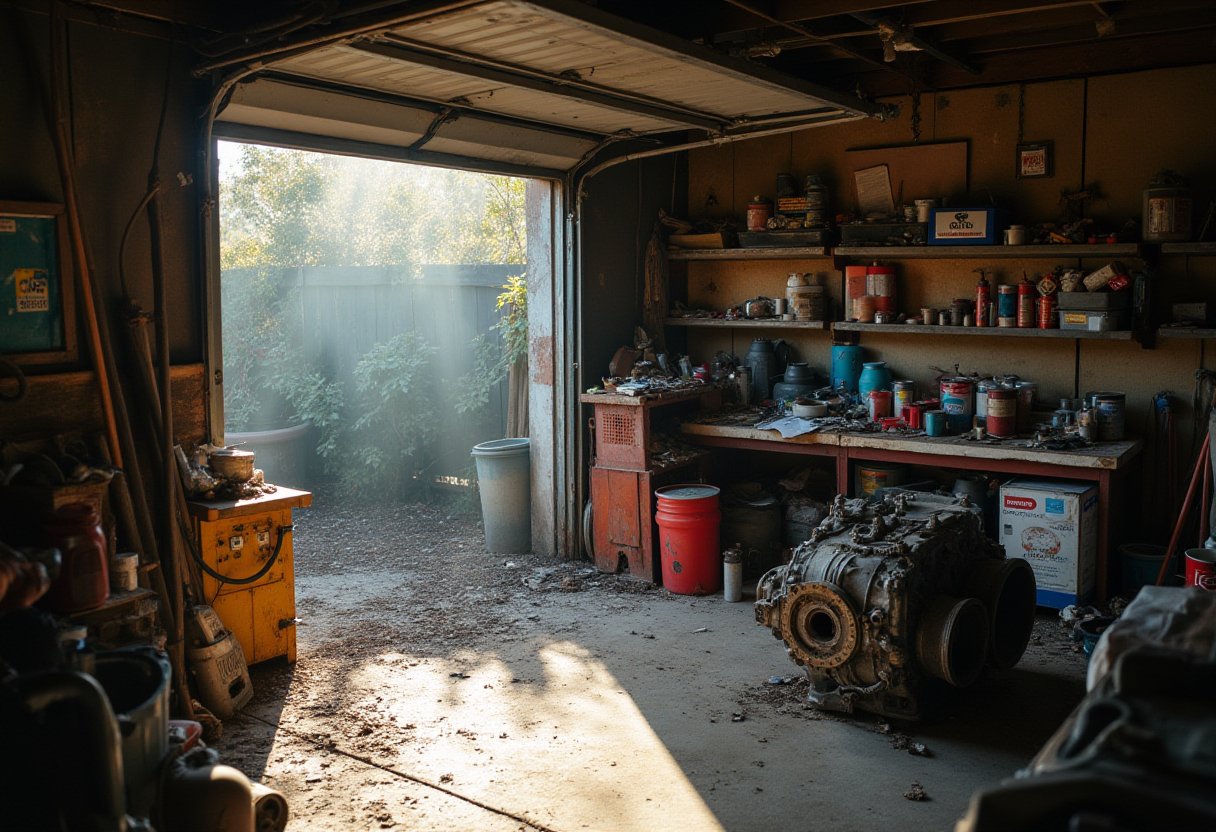
Old car parts disposal is usually the last thing people think about until they’re standing in a Prahran garage staring at a stripped gearbox, three tins of two-stroke oil and a paint can from a job finished a decade ago. It looks like one pile. It isn’t. It’s actually several different waste streams sitting in the same corner, each with its own rules. Sort it properly first, and most of what’s genuinely hazardous already has a free, legitimate drop-off point waiting. What’s left over, the bulky, awkward, non-hazardous items, is where a rubbish removal service like ours actually comes in.
Sort before you shift anything
Before you touch a single box, walk the pile and mentally split it into three groups: hazardous liquids and batteries, recyclable materials, and everything else. That gearbox, those paint tins and the two-stroke oil aren’t one job, they’re three separate ones, each with its own destination.
Start with the hazardous group. Old engine oil, leftover paint and car batteries all have dedicated, free drop-off pathways designed for exactly this situation, so there’s rarely a reason to guess where they should go or leave them for someone else to deal with. Motor oil goes to a proper collection point rather than down a drain or into general rubbish. Paint tins, dry or liquid, follow their own separate pathway too, and the rules can vary a bit by council, so it pays to check locally rather than assume.
Once the hazardous stuff is set aside, look at what’s actually left. Stripped gearboxes, brackets, old exhaust pipes and general old car parts disposal is a different problem entirely, more about bulk and awkward shapes than chemical risk. That’s the pile worth planning properly, because it’s usually the biggest and heaviest part of the job.
Oil, paint and other liquids
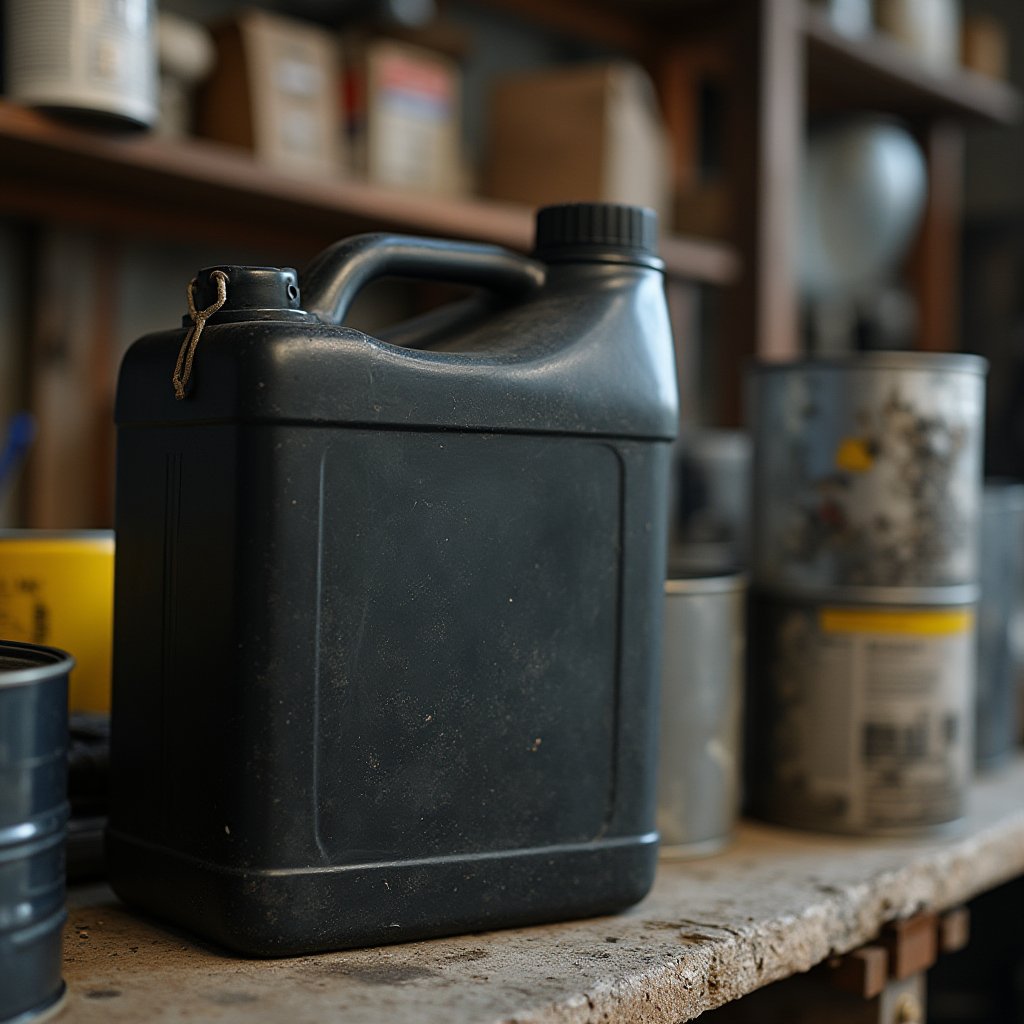
Every garage cleanout turns up at least one tin of something that shouldn’t go in with everything else. Old engine oil, leftover paint, brake fluid, coolant, maybe a jerry can of stale petrol from a mower nobody’s touched in years. None of it belongs in general rubbish, and none of it belongs in a skip bin either.
Used motor oil has a genuinely easy fix. Most councils and service stations run free oil drop-off points, and the Victorian Government’s guidance on where used motor oil actually goes is blunt about why it matters: tipped down a drain it can pollute waterways and contaminate the water supply. Decant it into a sealed container if the original one’s rusted through, then take it to a collection point.
Paint follows its own separate pathway too, through Paintback’s dedicated drop-off network, though the fine print varies by council. Some will take a dried-out, empty paint tin in hard rubbish, while a tin that’s still wet needs a proper drop-off point instead. It pays to check your own council’s rules rather than assume either way.
Keep all of this separate from the pile earmarked for old car parts disposal. It’s a different problem entirely, chemical rather than bulky, and it has better options waiting for it.
Batteries and the B-cycle misconception
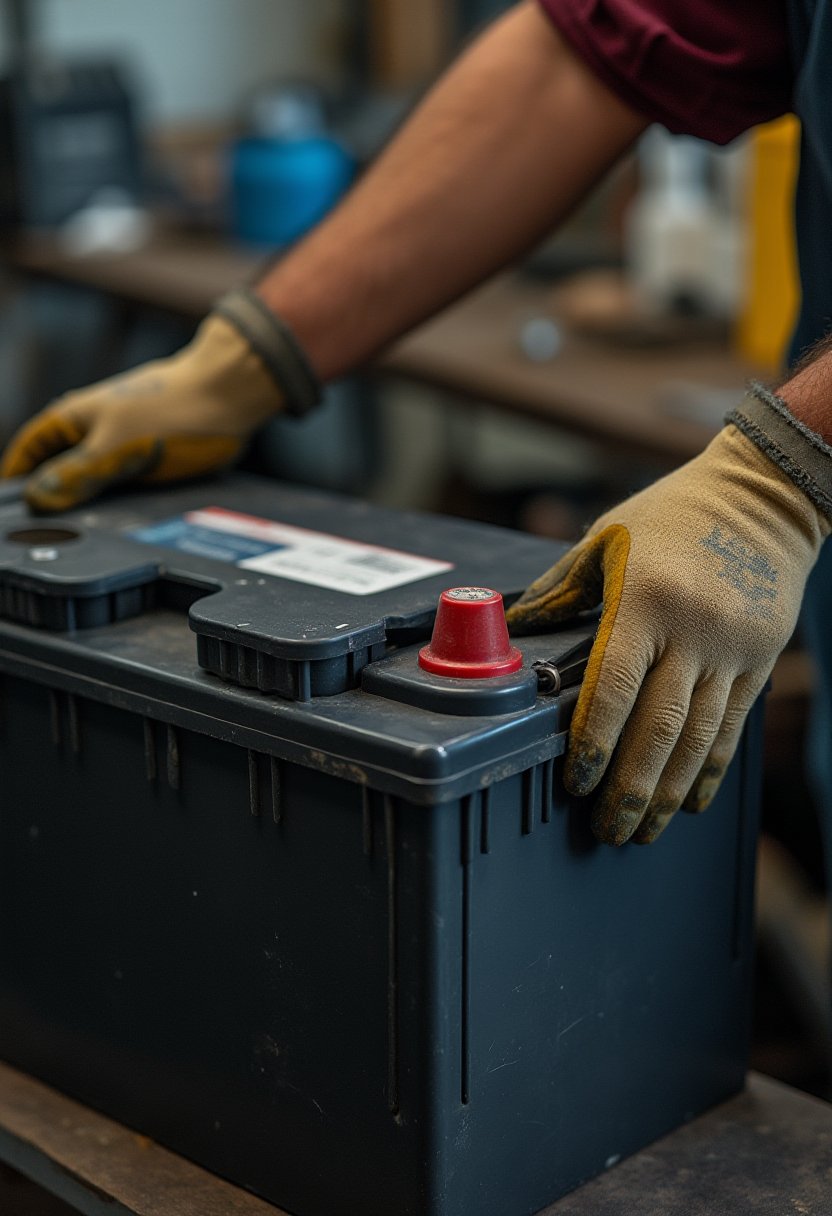
If there’s a car battery sitting in that pile, don’t reach for the household battery bin. B-cycle, the free recycling scheme most people know from the collection point at Bunnings or the local library, is built for AA cells, laptop batteries and power tools, not the lead-acid battery you’ve just pulled out of a Commodore. It’s a common mix-up, and an understandable one.
Car batteries are heavier, and hold lead and sulfuric acid, which puts them in a different category entirely. Batteries generally can’t go in kerbside bins in Victoria, and batteries are banned from landfill statewide. A car battery specifically needs a scrap metal dealer, auto parts retailer or transfer station that takes them. Most inner-Melbourne recyclers will take one off your hands for nothing, given the lead’s worth recovering.
Car parts and hard rubbish
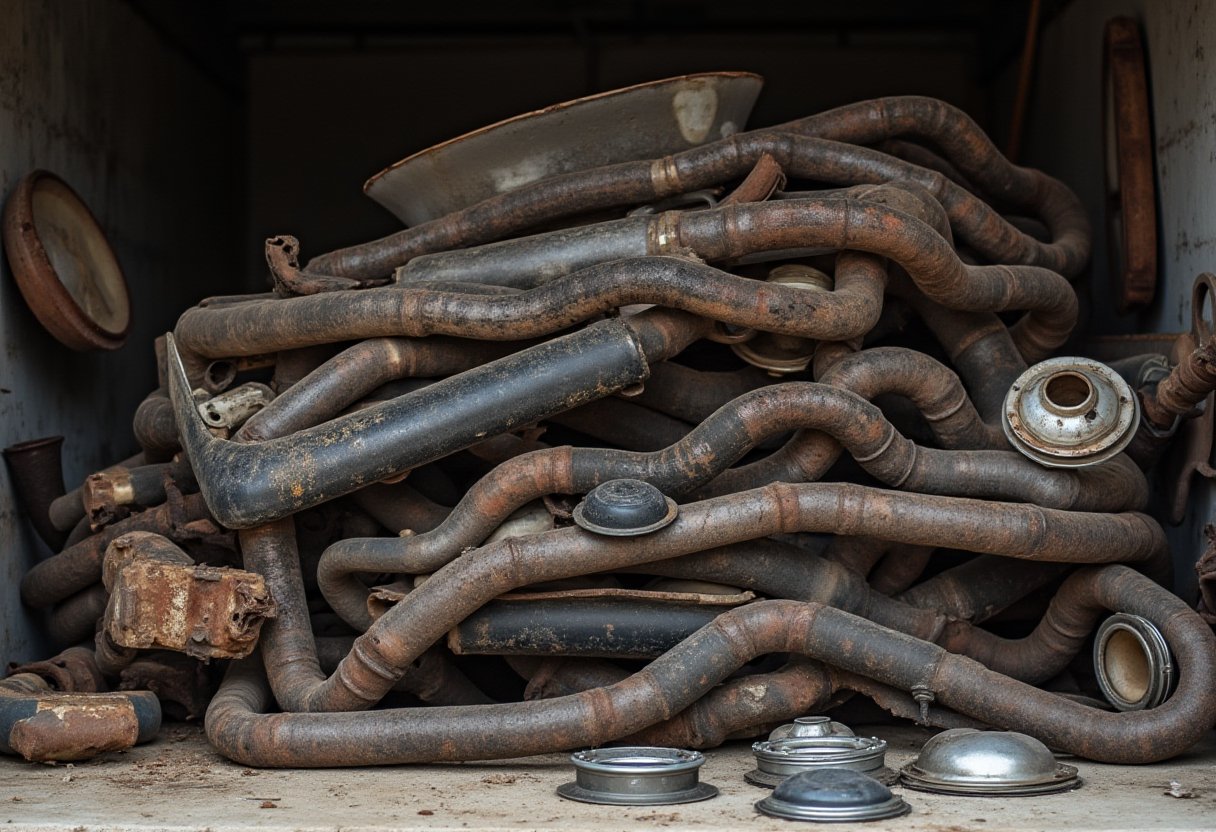
Batteries and oil have clear pathways, but plenty of what comes out of a garage doesn’t. Old brake pads, a cracked bumper, a set of rusted exhaust pipes, a mismatched pile of hubcaps: none of it’s hazardous, but none of it’s exactly light work either.
This is where old car parts disposal gets confused with hard rubbish, and the two aren’t the same thing. Most inner-Melbourne councils run scheduled hard-rubbish collections, but they cap what they’ll take, and heavy metal parts, tyres and anything oil-soaked are common exclusions. Ring your council before you drag a boot-load of parts to the kerb, because a rejected pile just means doing the job twice.
If it’s genuinely scrap metal (brackets, panels, wheel rims without tyres), a scrap metal dealer will usually take it for free, sometimes even pay for it. What’s left over, the general clutter that doesn’t fit either category, is exactly the kind of load our team is set up to clear in one visit, no sorting required on your end.
Four small jobs, not one
A garage cleanout isn’t one job, it’s four or five small ones wearing the same overalls. Oil, paint and batteries each have a free, legitimate drop-off point, so there’s no need to guess or gamble with illegal dumping, which EPA Victoria does actively investigate and penalise. Scrap metal usually pays its own way. That leaves the genuine leftovers, the packaging, brackets and general clutter, and proper old car parts disposal for that pile is exactly where we come in. Book us in and we’ll clear it in one visit, no sorting required.
Frequently Asked Questions
Some of it, but not all. Council hard rubbish collections (Stonnington, Boroondara, Glen Eira and the like) generally accept bulky metal items such as old exhausts, bumpers, rims without tyres, and general car parts, though tyres themselves are usually excluded and need to go to a tyre recycler. What hard rubbish won’t take is anything with residual fluid in it: an old fuel tank, a sump still holding oil, or a leaking radiator. Check your specific council’s booking page before you kerb anything, since limits and exclusions vary street to street. If you’re not sure whether a part counts as hazardous, treat it as hazardous and sort it out separately rather than guessing.
Used motor oil is one of the easier hazards to deal with properly, and it’s free. Most councils in the inner-east and inner-south run permanent drop-off points at their transfer stations, and many independent mechanics and service stations will also take old oil back if you ask. One thing worth knowing: Detox Your Home, the free state-run chemical collection, does not accept motor oil, so check with your council rather than turning up to an event with a jug of it. Decant it into a sealed, labelled container first: an old oil bottle works fine, just don’t mix it with petrol, coolant or paint. Never tip it down a drain or onto the ground. It’s genuinely one of the quickest wins in a garage cleanout, since there’s rarely a queue and no cost involved.
No, and this is where a lot of people trip up. B-cycle is a battery-only recycling scheme, it doesn’t take paint, oil or any other liquid waste. For paint tins, Paintback is the correct pathway, with free drop-off sites across Melbourne accepting both empty and part-full tins. Detox Your Home only takes particular paint types, such as automotive and aerosol paint, so ordinary wall paint goes to Paintback. If a tin is genuinely empty and fully dry, some councils allow the tin itself in kerbside recycling, lid off. Anything with wet paint still inside needs to go to Paintback, not the yellow bin, and definitely not hard rubbish.
Car batteries are classed as hazardous waste and should never go in hard rubbish, general rubbish or the recycling bin. B-cycle is not the answer here, because that scheme is for household batteries. Use the Australian Battery Recycling Initiative directory to find a site, or try an auto parts store, battery retailer or council recycling centre, most of which take car batteries for free. A scrap metal dealer will often take it off your hands too. Batteries contain lead and acid, so keep it upright in the boot on the way there and avoid letting terminals touch metal. This is one of the few items in a garage cleanout where there’s genuinely no excuse to bin it, since the drop-off network is wide and the process takes minutes.
Generally no, and that’s by design. Oil, paint, batteries and other hazardous items have dedicated, free disposal pathways for good reason, they need specific handling that a general rubbish removal isn’t set up for. What we’re genuinely useful for is everything left over once you’ve sorted the hazardous stuff out: the bent shelving, the old car seats, timber offcuts, tyres, scrap metal and general garage debris that’s heavy, awkward or simply too much for one car trip. If you’re not sure which pile something belongs in, give the team a call on (03) 9820 1927 and we’ll talk you through it.
A quick note on safety. It’s Done Rubbish Removal does not remove asbestos, hazardous chemicals, gas bottles, or medical and biohazard waste. These materials must be handled and disposed of by a licensed specialist under Victorian and Australian regulations. If you think any of your waste may contain asbestos or hazardous material, stop and arrange a licensed asbestos or hazardous-waste specialist before any work begins. When in doubt, give us a call and we’ll point you in the right direction.
A note on pricing. Any prices mentioned here are indicative only and depend on the volume and type of rubbish, access, and the job on the day. For an accurate figure, book a free, no-obligation quote on (03) 9820 1927.