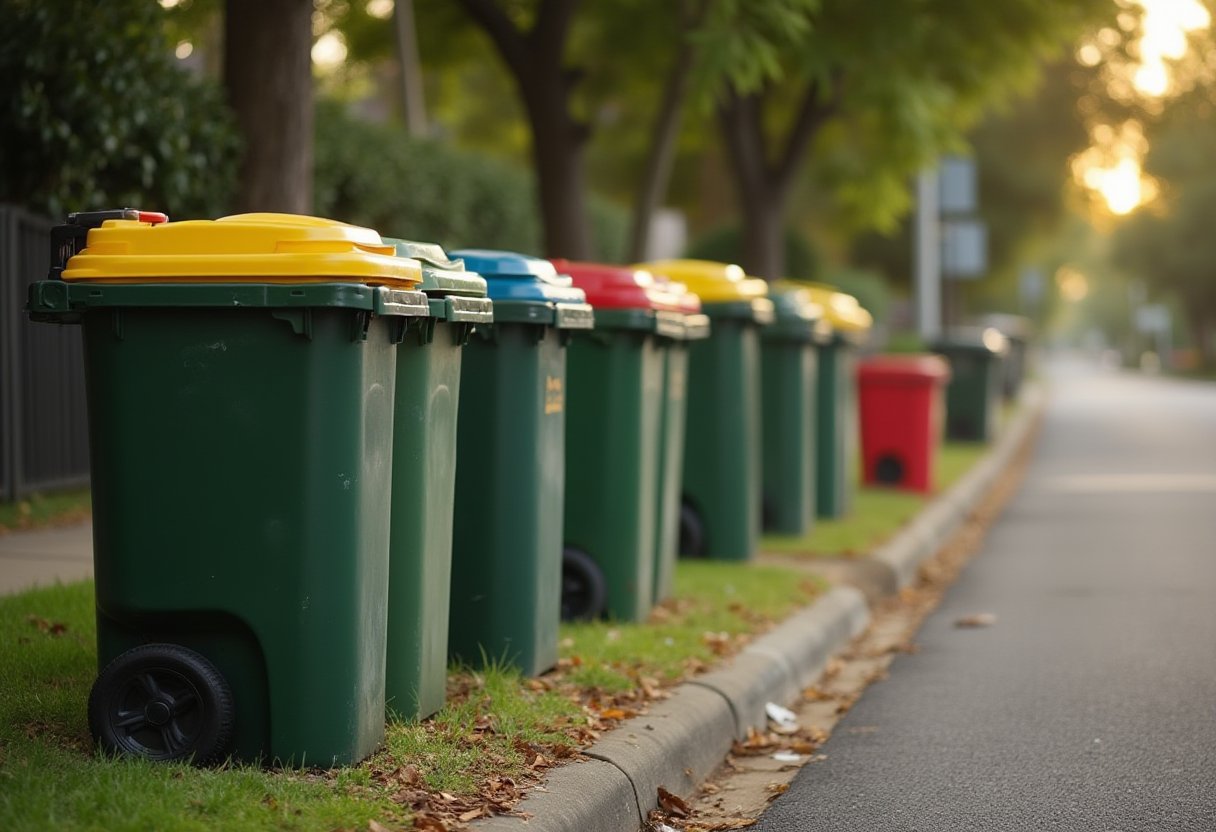
If you’ve heard about the Sustainability Victoria closure and now aren’t sure where to check your bin day, book a hard rubbish collection, or find out what happens to your old fridge, you’re not alone. It’s a fair question, because most of what people relied on Sustainability Victoria for hasn’t disappeared, it’s just moved house. Your council was always the authority on what goes in your bin, and that hasn’t shifted one bit. What has shifted is where specific programmes, like Detox Your Home, e-waste guidance and statewide recycling data, now sit. Here’s the plain map of where each one has gone.
What happened to Sustainability Victoria, and why
Short version: the Victorian Government’s Silver Review recommended winding up Sustainability Victoria as its own statutory agency, and that’s exactly what happened in mid-2026, after the agency had run for twenty years. The government’s own statement on the review’s outcomes says the change was about cutting duplication across the state’s environment and energy portfolio, not about scrapping the work itself.
In practice, that means the standalone agency is gone, but its functions haven’t vanished. Some programmes have moved into the Department of Energy, Environment and Climate Action. Others have shifted to Recycling Victoria or the EPA. A handful have simply been discontinued, usually because a Melbourne council or another body was already doing the same job.
Worth saying plainly: this Sustainability Victoria closure was a structural and budget decision, not a sign Victoria has stopped caring about waste and recycling. You may have seen talk of agencies being gutted, and that’s a fair description of the scale of it, but it doesn’t mean household services have gone quiet. They’ve just changed address. So, function by function, here’s where each one has landed.
Where each function moved
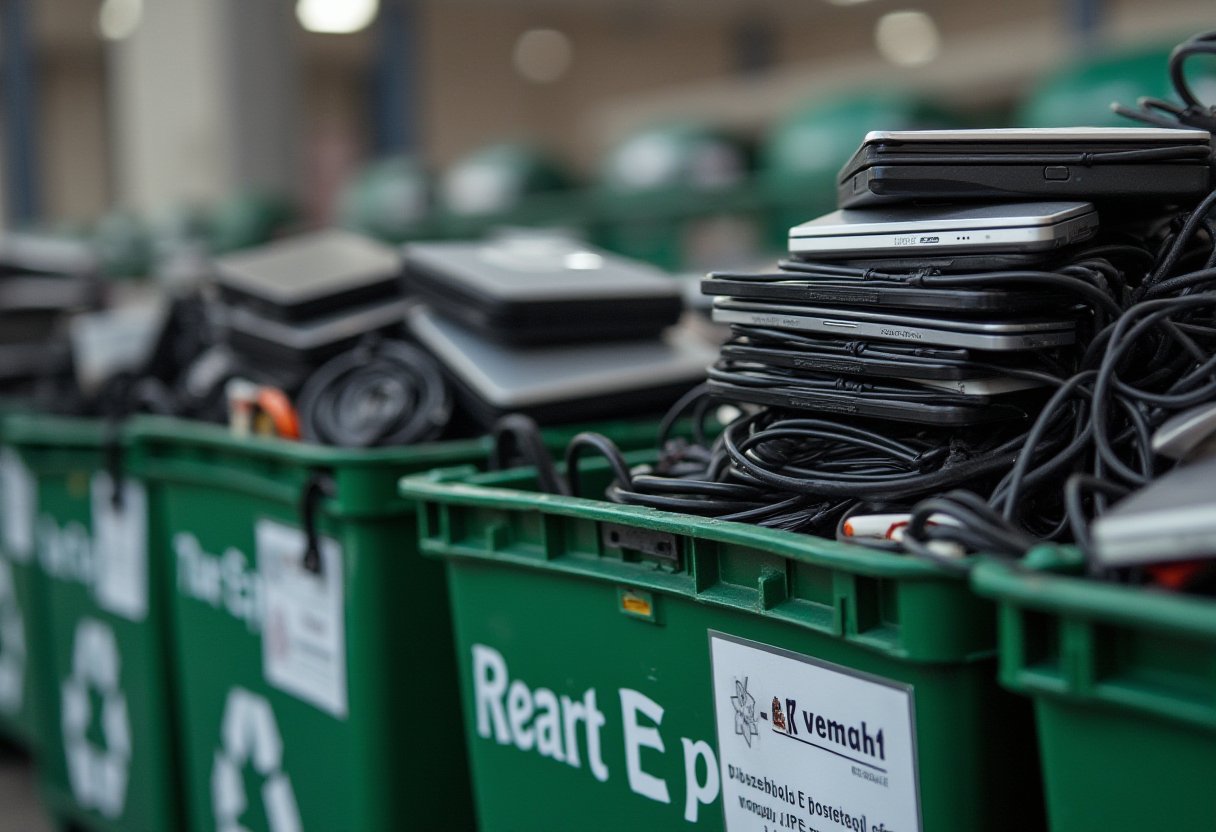
Council waste and recycling collection hasn’t moved anywhere, because it was never Sustainability Victoria’s job to begin with. Bin day, hard rubbish bookings and what goes in which bin have always sat with your local council, and that stays true after the Sustainability Victoria closure.
What has actually shifted is a shorter list than the headlines suggest.
- Detox Your Home, the free collection events for hazardous household chemicals, has transferred to DEECA rather than being cut. Worth knowing before you load the car: it takes solvents, pesticides, pool chemicals and old lawnmower fuel, but it does not take gas bottles or cylinders, household batteries, or ordinary house paint. Check the current event list and the accepted-items list, since both change.
- E-waste guidance, covering what counts as e-waste and where to take dead electronics and batteries, has moved with the household-facing content to a new home rather than disappearing.
- Statewide waste and recycling data, the numbers used for reporting and research, now sits with the EPA’s data hub, which is the right first stop if you need figures rather than instructions.
- Recycle Mate, the app that tells you whether a specific item is recyclable, is still running and still maintained, just under a different administrative roof.
The one that trips people up is Recycling Victoria. It’s a statutory authority, not a program inside Sustainability Victoria, and it hasn’t closed. If you’ve seen it lumped in with the wind-down, that’s the correction worth making before you go looking for it elsewhere.
What hasn’t changed: your council still runs your bin
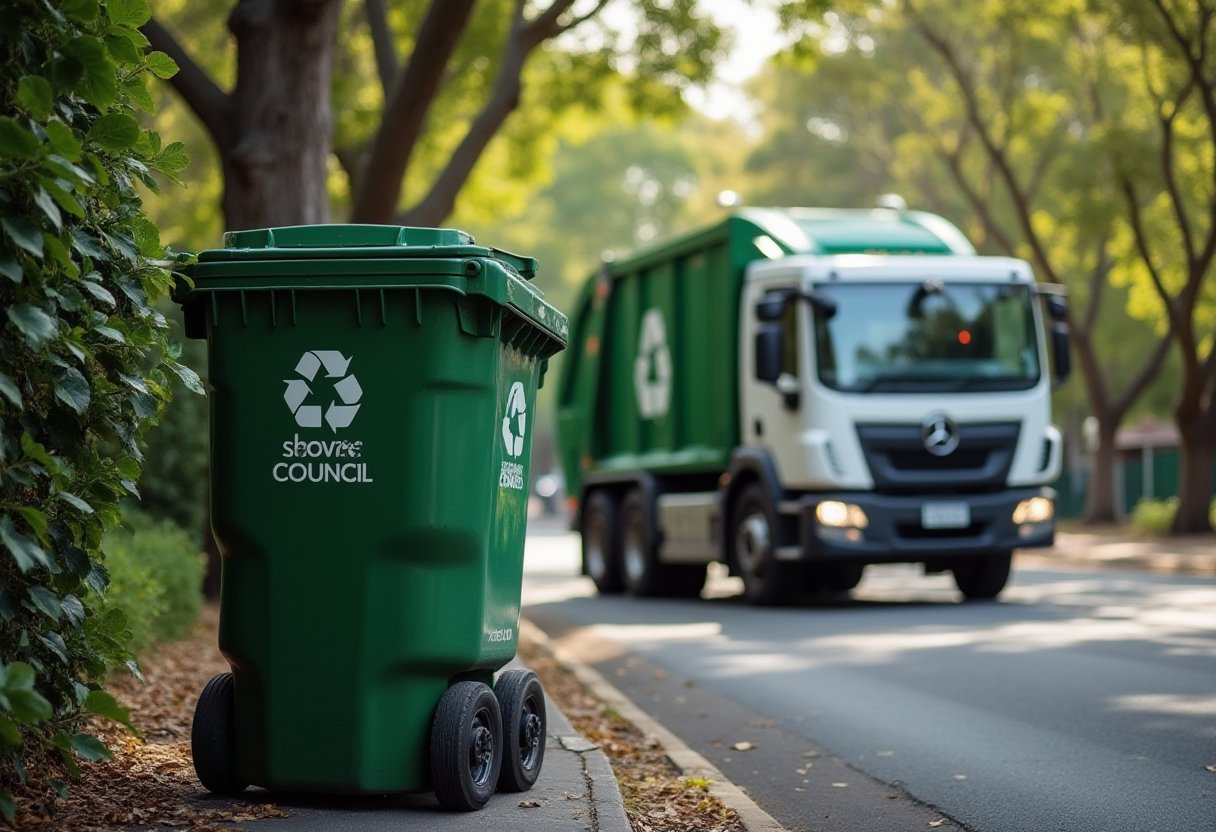
Here’s the thing worth saying plainly: none of this touches your bin day. Your council has always decided what goes in your yellow lid, your green lid, and your hard rubbish collection, and the Sustainability Victoria closure hasn’t shifted that responsibility an inch. Sustainability Victoria never collected your rubbish or ran your kerbside service, it funded programs and published guidance sitting alongside that council work, not underneath it.
So if you’re wondering whether a soft plastic goes in recycling, or when your street’s hard rubbish is booked, your council’s waste and recycling page is still the right first call, same as it was last year. Stonnington, Boroondara, Yarra, whoever runs your street, that arrangement is untouched.
What actually moved were the state-level extras sitting on top: things like Detox Your Home drop-off events, e-waste guidance, and statewide data collection. Those have new homes, and that’s what the rest of this list covers.
Practical next steps for e-waste, Detox Your Home and bin questions
Bookmark these three, and you’ll have most of it covered.
For everyday recycling questions, that’s your council’s site, always has been. What to do with the soft plastics, whether polystyrene goes in the yellow bin, when hard rubbish is booked for your street: council is still the authority, and nothing about the Sustainability Victoria closure changes that.
For e-waste specifically, television, laptops, that dead microwave from the garage, the e-waste guidance page still covers what’s banned from landfill and where drop-off points sit across Melbourne. Victoria’s e-waste ban hasn’t gone anywhere, so treat this one the same as always.
Detox Your Home, the free collection events for hazardous household chemicals, is the one worth double-checking before you plan around it. It does not take gas bottles, household batteries or ordinary house paint, and events now need a booking, so confirm the accepted items as well as the dates rather than going off last year’s calendar. Leftover house paint goes to Paintback instead.
And if you’re wondering about the app on your phone, Recycle Mate is still going, run separately through ACOR rather than the closing agency, so no need to delete it.
If sorting through a full house of it all feels like more than a phone call can fix, that’s where we come in. Give the team at It’s Done a call on (03) 9820 1927 and we’ll quote it, free, no obligation.
The short version
The sustainability Victoria closure changed who answers your questions, not what you’re allowed to put in your bin. Council still runs kerbside collections and hard rubbish collection dates, Recycling Victoria has taken on the state’s data and policy role rather than closing, and programs like Detox Your Home and e-waste guidance have simply moved address, not disappeared. Recycle Mate still works exactly as it did. Bookmark your council’s site for anything bin-specific, and you’ve got everything you need without hunting through a wound-up agency’s old pages.
Frequently Asked Questions
Yes, the agency itself has been wound up as part of a machinery-of-government shake-up, and its functions have moved into the Department of Energy, Environment and Climate Action (DEECA). If you’d bookmarked a Sustainability Victoria page for grants, e-waste advice or household chemical collection, that’s why the link’s gone quiet. The good news is none of the underlying information has vanished. It’s been folded into DEECA, so the fix is usually just updating your bookmark, not starting your search from scratch. We’ll point you to where each program has landed further down this post. Nothing about your bin day, your council’s rules, or how It’s Done handles a job has changed because of this.
No. Kerbside bins, hard rubbish bookings and what goes in your yellow, green or red lid have always been set by your local council, not by Sustainability Victoria. Stonnington, Boroondara, Yarra and the rest of the inner suburbs keep running their own collection calendars and rules regardless of what’s happening at state level. If you’re after your next hard rubbish date or what your council accepts kerbside, its website is still the right place to look. This closure is a state-agency restructure, not a change to how your street’s collection works. If your bin day feels different this month, check with your council directly rather than assuming it’s linked to this news.
No, and this is the bit of confusion worth clearing up. Recycling Victoria is the state’s broader waste and recycling reform program, and it’s still running. It’s a separate thing from Sustainability Victoria, which was the standalone agency that delivered some of the on-the-ground services. Recycling Victoria’s policies, including the container deposit scheme and reforms to what can go in your recycling bin, continue as before. So if you’ve seen headlines about Sustainability Victoria winding up and assumed all state recycling guidance has gone with it, that’s not accurate. The reform agenda is intact, it’s just the delivery agency that’s changed.
That guidance has moved to DEECA’s website rather than Sustainability Victoria’s. E-waste rules haven’t changed: TVs, computers, batteries and anything with a plug or battery still can’t go in your kerbside bins across Victoria, and council transfer stations remain the main drop-off point. Programs like Detox Your Home, which handles hazardous household chemicals and solvents, are administered under the same DEECA umbrella now. Note it does not accept gas bottles or cylinders, household batteries, or ordinary house paint: its paint list covers aerosol and automotive paint plus turps, thinners and strippers, and house paint goes to Paintback. If a search turns up an old Sustainability Victoria page, try the same query with DEECA instead, or check your council’s website, since most inner-suburb councils link directly to current drop-off locations and accepted items.