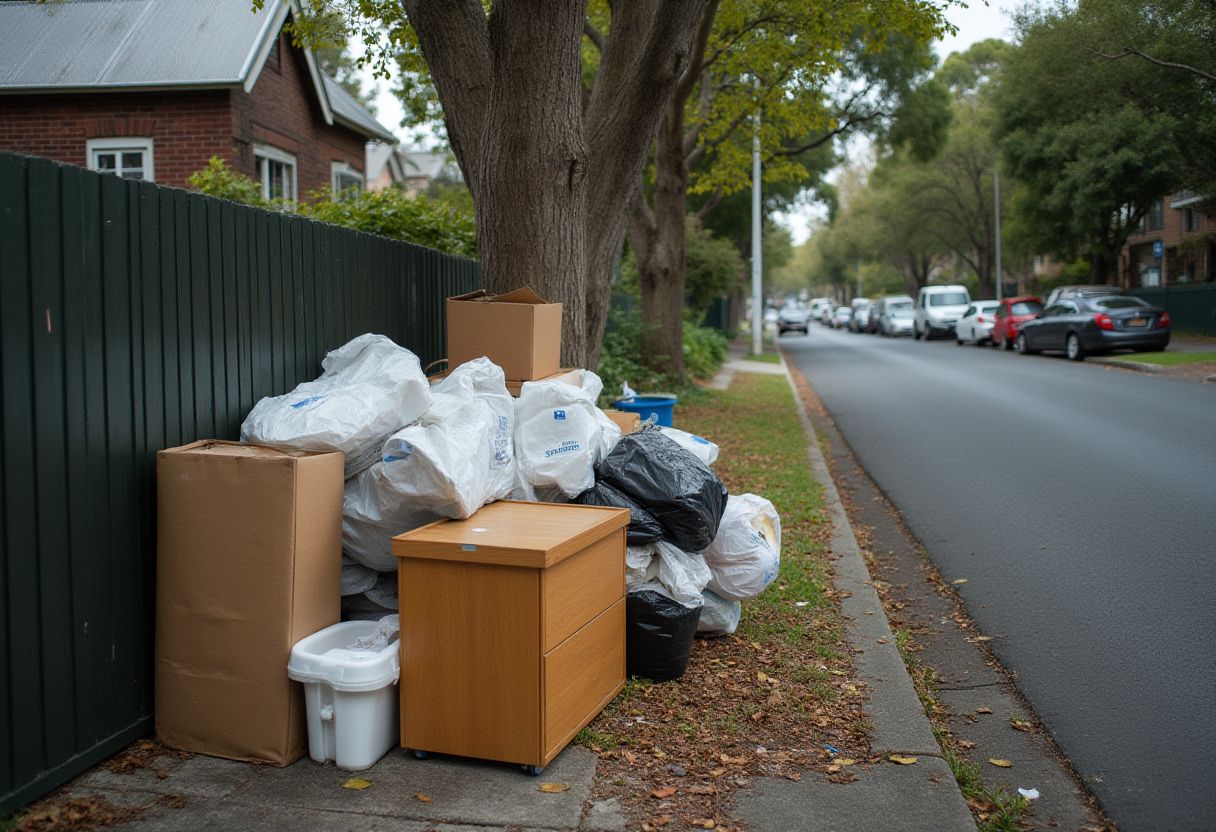

Got an old microwave, a dead TV, or a drawer full of tangled chargers you’ve been meaning to deal with? Since 1 July 2019, none of it can go in the bin. Victoria banned e-waste from landfill, and that covers anything with a plug, a battery, or a power cord.
That’s more than 100 types of household items, so most homes have a fair bit of it sitting around. The good news is that sorting it out is easier than it sounds, and what you drop off gets put back to use. In 2023, Victoria recovered around 94,000 tonnes of material from e-waste, including 12 tonnes of silver and 580 tonnes of copper, worth roughly $86 million.
Here’s what counts, where it goes, and how to deal with it without much fuss.
What counts as e-waste, and why the ban exists
What counts as e-waste
The rule is simple: if it has a plug, a battery, or a power cord and it’s reached the end of its life, it’s e-waste. That’s a much wider net than old computers and phones.
It catches the obvious gear (TVs, laptops, printers) and plenty you might not think of: electric toothbrushes, kids’ toys with batteries, kettles, toasters, that broken pedestal fan in the shed. The drawer of tangled chargers counts. So does the old digital camera gathering dust. With over 100 categories now kept out of landfill, it’s worth a quick look around before your next bin night.
The rule, in plain English
The ban sits under the Waste Management Policy (E-Waste), run by the Environment Protection Authority Victoria (EPA). It’s part of Victoria’s push toward a circular economy, where materials get kept in use instead of buried.
In practice, you can’t put e-waste in your general rubbish bin. The EPA allows only “negligible” amounts, which it puts at less than 5% by volume mixed with general waste. Tossing a dead appliance in the kerbside bin on purpose is against the rules.
For households, the EPA leans on education rather than fines, so you’re not going to cop a penalty for an honest mistake. Repeated or deliberate dumping is a different story, and can attract penalties under the Environment Protection Act 2017.
Why the ban exists
It comes down to two things: keeping nasty stuff out of the ground, and getting valuable materials back.
- It keeps hazards out of the soil and water. A lot of electronics contain lead, mercury, and cadmium, which can leach into soil and groundwater when they’re buried.
- It recovers materials worth keeping. Gold, silver, copper, and rare earth elements can be pulled out of e-waste and used again in manufacturing.
- It saves energy. Recycling aluminium from electronics uses around 14,000 kWh less per tonne than mining and processing it new.
Sent to the right place, an old device is less a piece of rubbish and more a small pile of materials waiting to be reused. That’s the whole idea behind the ban.
How to sort your e-waste at home
Finding the e-waste around your house
Start with a quick walk through each room and pull out anything that runs on power or batteries. Most people are surprised by how much turns up.
The kitchen alone usually hides a few: toaster, kettle, microwave, and the gadgets you bought with good intentions and barely used. The home office is the big one, with old phones, cables, external drives, and the printer that’s been collecting dust in the corner.
Victoria sorts e-waste into two rough groups, and it changes where things can go:
- Small e-waste: mobile phones, calculators, cameras, cords, and small kitchen appliances.
- Large e-waste: TVs, computers, washing machines, and fridges.

Small items are usually fine at a council drop-off or collection point. Bigger appliances often need a trip to a transfer station, or a hand to shift them.
Where to drop it off
You’re probably closer to a drop-off than you’d think. The Victorian Government put $15 million into upgrading e-waste collection sites, and about 90% of Victorians now live within a 30-minute drive of one. These sites are built to store electronics safely before they head off to be recycled.
Start with your council’s waste page. Most list:
- Transfer stations that take electronics
- Opening hours and any fees
- What they’ll accept for different types of e-waste
- One-off collection days through the year
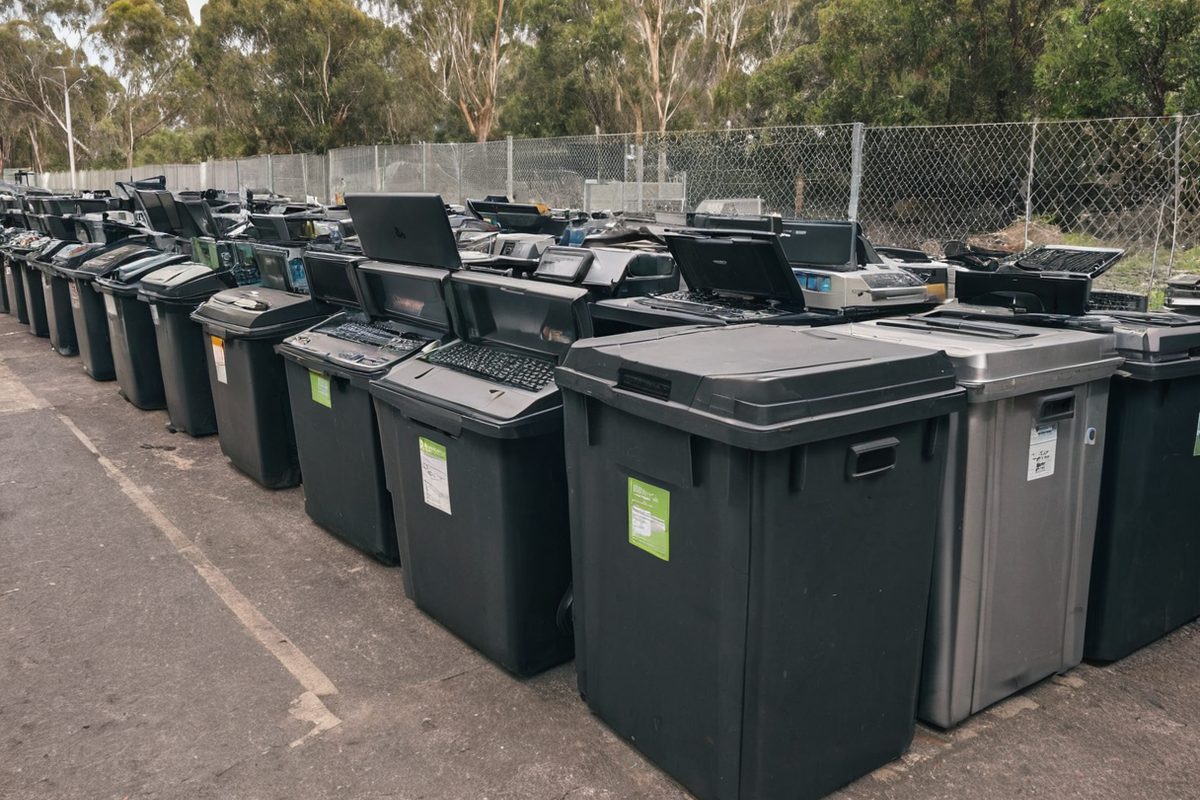
A lot of transfer stations now have dedicated e-waste cages that keep items out of the weather and stop hazardous bits leaching into the ground.
Some retailers take gear back too. Officeworks, JB Hi-Fi, and Apple all run free recycling for certain items, and Officeworks will take old computers, printers, and accessories no matter where you bought them. For phones, the MobileMuster program handles recycling through participating retailers.
One thing worth knowing: most e-waste drop-off is free for residents, especially smaller items. Check with your council first so you’re not paying for something you didn’t need to.
Getting your gear ready to recycle
A few minutes of prep protects your data and makes the drop-off easy:
- Wipe your data. For anything that stored personal info, back up what you need, then do a factory reset or use secure erasing software. Don’t just delete the files.
- Pull the batteries where it’s safe. Lithium-ion batteries are a fire risk and need to be recycled separately, so take them out if you can do it safely.
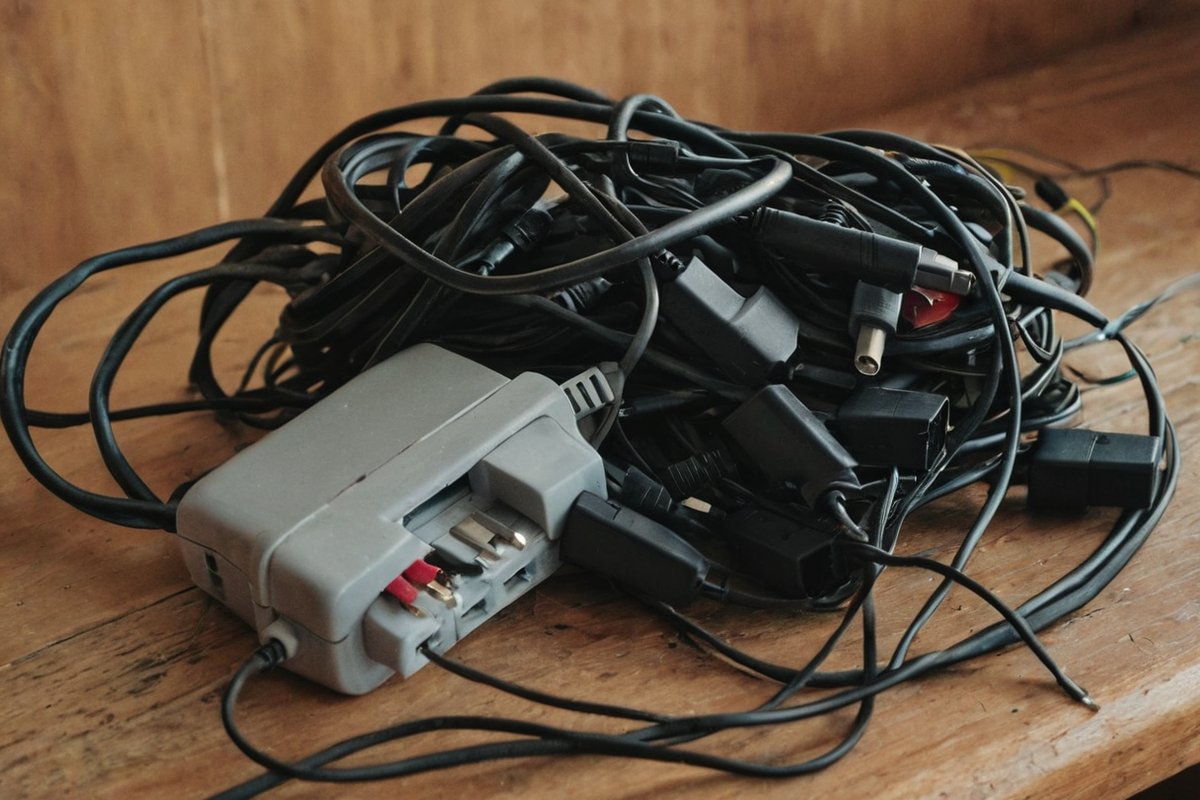
- Round up the cords. Chargers, cables, and accessories are e-waste too, so keep them with the device.
- Protect the screens. Wrap monitors and TVs in a blanket or towel for the trip. A broken screen can release hazardous material and makes recycling harder.
- Drop it off. Take it to your chosen site. For big items like fridges or washing machines, check whether your council’s hard rubbish collection includes e-waste.
Most councils don’t ask for any paperwork for household quantities. Some transfer stations want proof you live in the area, usually where they offer free disposal to locals but charge everyone else. Sort that lot and you’ve ticked the box on the ban while getting real materials back into use.
What happens to it, and why it’s worth the effort
What actually gets recovered
The recycling numbers are the part most people don’t see. In 2023, Victoria kept 94,000 tonnes of electronics out of landfill. From that, the state recovered roughly:
- 12 tonnes of silver (used in circuit boards)
- 580 tonnes of copper (wiring and components)
- Solid amounts of gold, palladium, and rare earth elements
The savings go past the materials themselves. Recycling uses far less energy than mining and refining new stock; one tonne of aluminium recovered from e-waste saves around 14,000 kWh against making it from scratch.
The rare earths tell the clearest story. Recovery of neodymium, used in hard drives and speakers, jumped from 12% in 2018 to 67% in 2024. Those materials matter for renewable energy gear, and we’re getting much better at reclaiming them.
How it can save you money
There’s a hip-pocket side to this too, even if it’s easy to miss.
For a start, doing it properly keeps you clear of council fines for the wrong waste in the wrong bin. Enforcement leans on education for households, but repeated mistakes can cost you.
A few programs even pay you back:
- Cash-for-computers schemes run by some recyclers
- Trade-in credit when you upgrade electronics at major retailers
- Refunds through the MobileMuster program for phones
There’s a bigger picture too. The materials Victoria recovered in 2023 were worth about $86 million, which stays in the local economy instead of going in the ground. And when e-waste ends up in the general or recycling bins, it pushes up sorting costs for councils, and that bill lands back with ratepayers.
What’s coming next
The system keeps getting easier to use. Mobile collection units, modelled on the e-waste bus running in New South Wales, are reaching more regional towns so people don’t have to drive as far.
The EPA is also working with councils on consistent signage and clearer info at drop-off sites, which takes the guesswork out of what goes where. A few councils are trialling smart bins in public spaces for small items like batteries and phones, running on solar and flagging when they’re full.
Down the track, there’s a push for stronger producer responsibility, where the makers and importers of electronics help fund and run takeback programs. It’s worked well overseas, and it would make recycling even simpler for households here.
Doing a bit more than the minimum
Making less e-waste in the first place
The easiest e-waste to deal with is the kind you never make. A bit of thought before you buy and before you bin goes a long way.
When you’re buying, it’s worth looking at how repairable something is. Gear built to last and to fix can cost more up front but saves you replacing it as often. Brands like Fairphone and Framework design for easy repair and upgrades.
When something starts playing up, try fixing it before you replace it. Victoria has a growing network of repair cafés that’ll help you mend electronics for free or close to it, which keeps them going for longer and out of the waste stream.
Helping out around your community
If you want to do a bit more, there are easy ways to chip in:
- Lend a hand at council or community e-waste collection days
- Pass on what you’ve learned about drop-off options through your local networks
- Speak up for better e-waste facilities when your council runs consultations
Schools often welcome locals to talk to students about recycling. A simple chat about the ban and how to sort e-waste helps build good habits in the next lot of buyers.
The short version
Victoria’s e-waste ban changed how we deal with old electronics, and it’s working. Know what counts, know where it goes, and sort it as you go.
The results back it up: 94,000 tonnes kept out of landfill, 12 tonnes of silver and 580 tonnes of copper recovered, and recovery rates for critical minerals up more than fivefold since the ban came in. That only happens because everyday Victorians take the few extra minutes to do it right.
There’s still work to do, especially for people in the regions or anyone who can’t easily get to a drop-off. But the sites keep multiplying and the programs keep improving. Next time you’re clearing out, every old phone, laptop, or appliance you send to be recycled is a small win that adds up.
Want us to take the lot?
If you’ve got a big pile, or bulky items you can’t shift on your own, that’s where we come in.
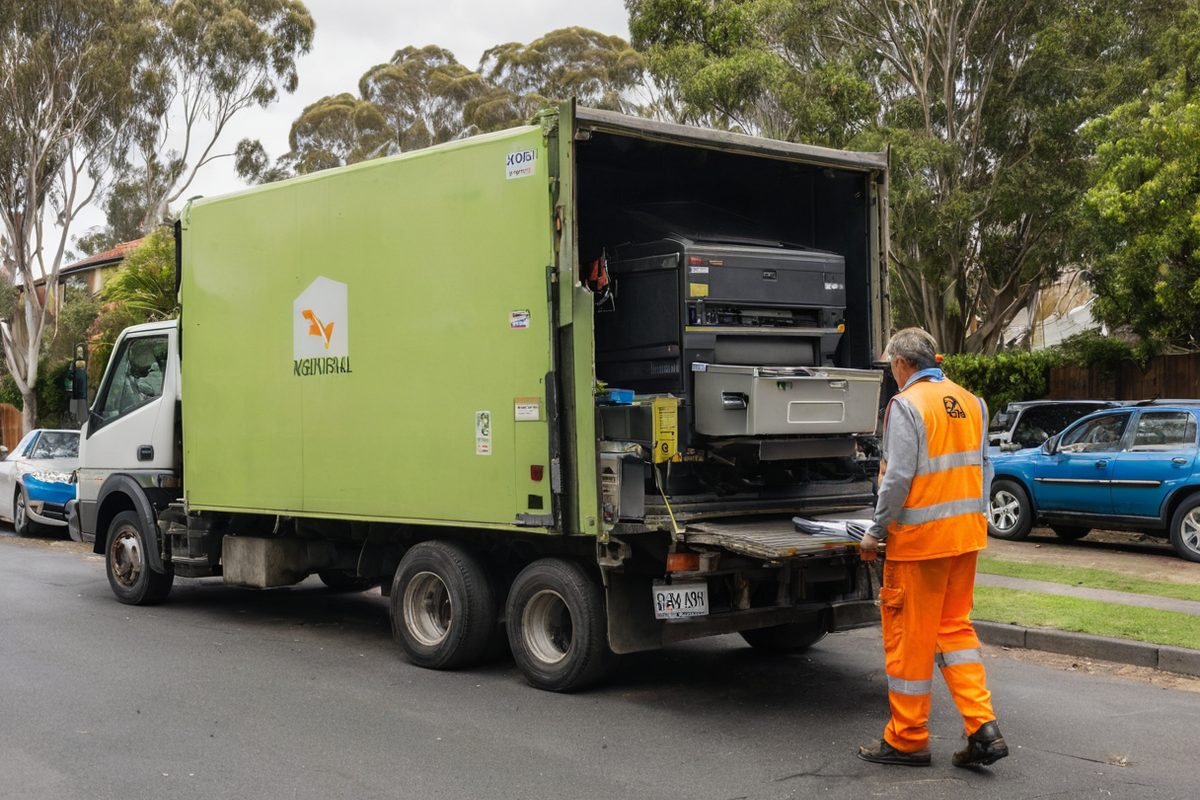
It’s Done Rubbish Removal handles compliant e-waste collection right across Melbourne. We know the rules, we do the lifting, and we make sure your electronics get to a certified recycling facility, not landfill. You don’t have to load the car or work out which site takes what.
If that growing pile of old electronics has turned into a job you keep putting off, give us a call on (03) 9820 1927 and we’ll sort a pickup that suits you. We’ve been clearing rubbish across Melbourne’s inner suburbs since 2008, and we’ll knock this off your list too.
Frequently asked questions about the e-waste ban
If it’s reached the end of its life and has a plug, a battery, or a power cord, it’s e-waste. That covers more than 100 types of item: computers, TVs, phones, kitchen appliances, power tools, lighting, and electronic toys. Even electric toothbrushes, digital watches, and USB cables count. A few things are exempt, like some medical and military equipment, but those almost never turn up in a normal household clear-out.
You can be, but you’re very unlikely to cop one for an honest mistake. Under the Environment Protection Act 2017, both households and businesses can be fined for putting electronics in the general or recycling bin. For households, the EPA starts with education rather than penalties, and focuses on helping you find the right option. Fines really only come into it for repeated or deliberate dumping, usually larger loads.
Start with the Recycling Near You tool from Planet Ark. Pop in your postcode and it’ll show every nearby site that takes electronics. Your council’s website is the other good spot, with transfer station details and opening hours. Some councils also print disposal maps in your rates notice or local newsletter.
A few options if the nearest permanent drop-off is a fair drive away: 1. Check whether your council runs mobile collection days that visit your area. 2. Team up with neighbours and share a run to the nearest site. 3. Ask about mail-back programs for small items like phones and batteries. 4. Call your council, as some have special arrangements or smaller satellite collection points closer than the main transfer station.
Don’t just delete the files, because that doesn’t actually clear them off the device. Back up anything you want to keep first, then: 1. On computers, do a factory reset or use secure erasing software that overwrites the drive. 2. On phones and tablets, take out the SIM and memory card, then factory reset. 3. On printers with built-in storage, check the maker’s instructions for clearing the memory. 4. For anything really sensitive, physically destroying the hard drive is the safest bet.
Yes, businesses have to do more. Commercial operators have to follow the AS/NZS 5377 standard across the lot: collection, storage, transport, and reprocessing. That means packaging different types of e-waste properly, keeping waste transfer certificates for five years, and using certified recyclers. Bigger generators also need a formal management plan. Households are encouraged to follow good practice, but for businesses it’s the law.
No. Cables, chargers, and batteries can’t go in the regular recycling bin, even though they’re small. The ban only allows a ‘negligible’ amount of e-waste in general waste, which the EPA puts at under 5% by volume. In plain terms, electronics of any size shouldn’t go in your household bins. Collect the small stuff and drop it at an e-waste point, or one of the collection bins you’ll often find at libraries, council offices, and some retailers.
It gets pulled apart and the materials get recovered. The rough steps: 1. Sorting by type and any hazards. 2. Hand disassembly to take out the valuable parts and anything hazardous. 3. Shredding and separating with magnets, eddy currents, and optical sorting. 4. Processing the metals, plastics, and glass for reuse. 5. Those materials become raw stock for new products. In Victoria, around 90% of the material in e-waste gets recovered and recycled, while the hazardous bits are handled safely.
Yes, they’re a fire risk, so handle them carefully. The batteries in phones, laptops, and power tools should never go in a standard bin, or even in with your other e-waste. Plenty of recyclers and retailers have dedicated battery drop-off points. Before you take them in, tape over the terminals with clear sticky tape to stop a short, and keep them somewhere cool and dry away from anything flammable. Never crush, puncture, or overheat them. If one looks swollen or damaged, ring your council for specific advice.
It’s still a problem. Even with more collection sites, illegal dumping of electronics rose 18% in regional areas between 2022 and 2024, mostly down to cost and distance. If you see it, report it to your council or the EPA pollution hotline on 1300 EPA VIC. Give them the location, the time, a description of what’s there, and anything you can about who left it. Many councils have teams that respond quickly to dump sites, especially ones with hazardous material. A heads-up from locals makes a real difference.