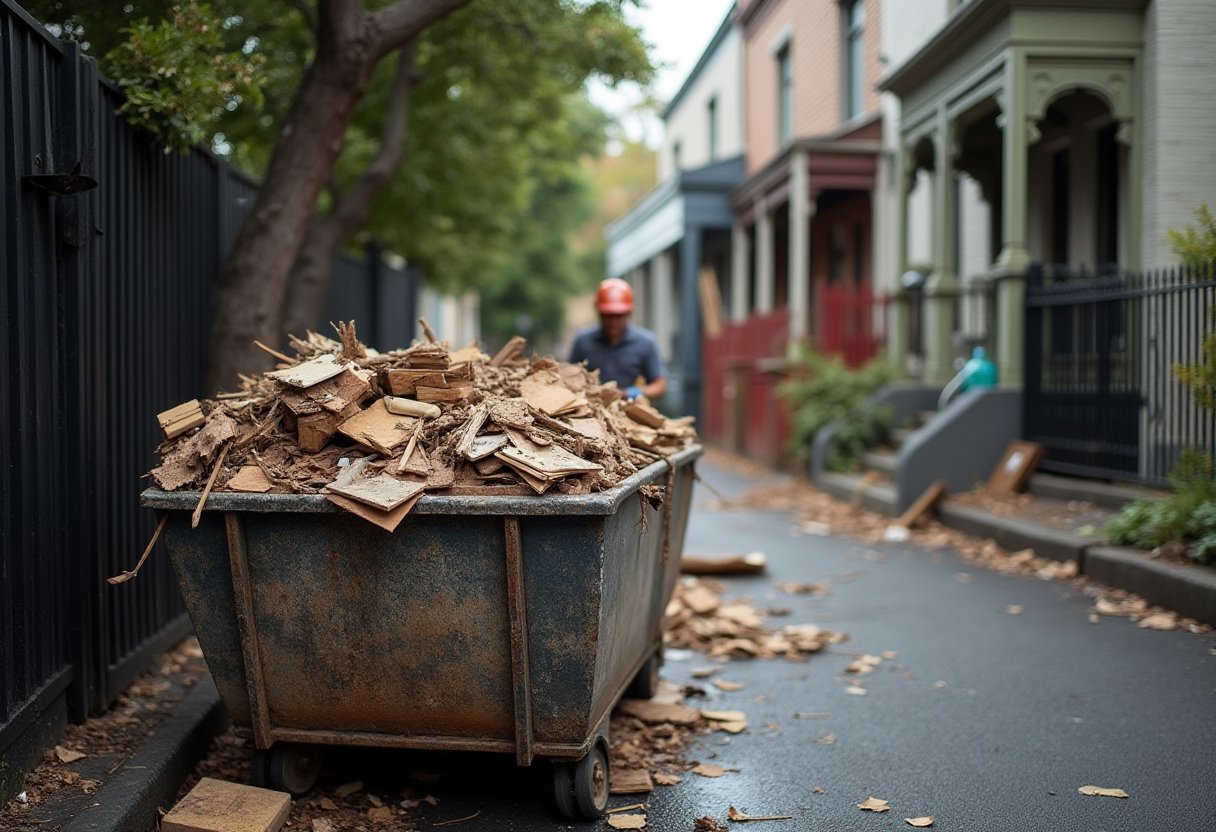
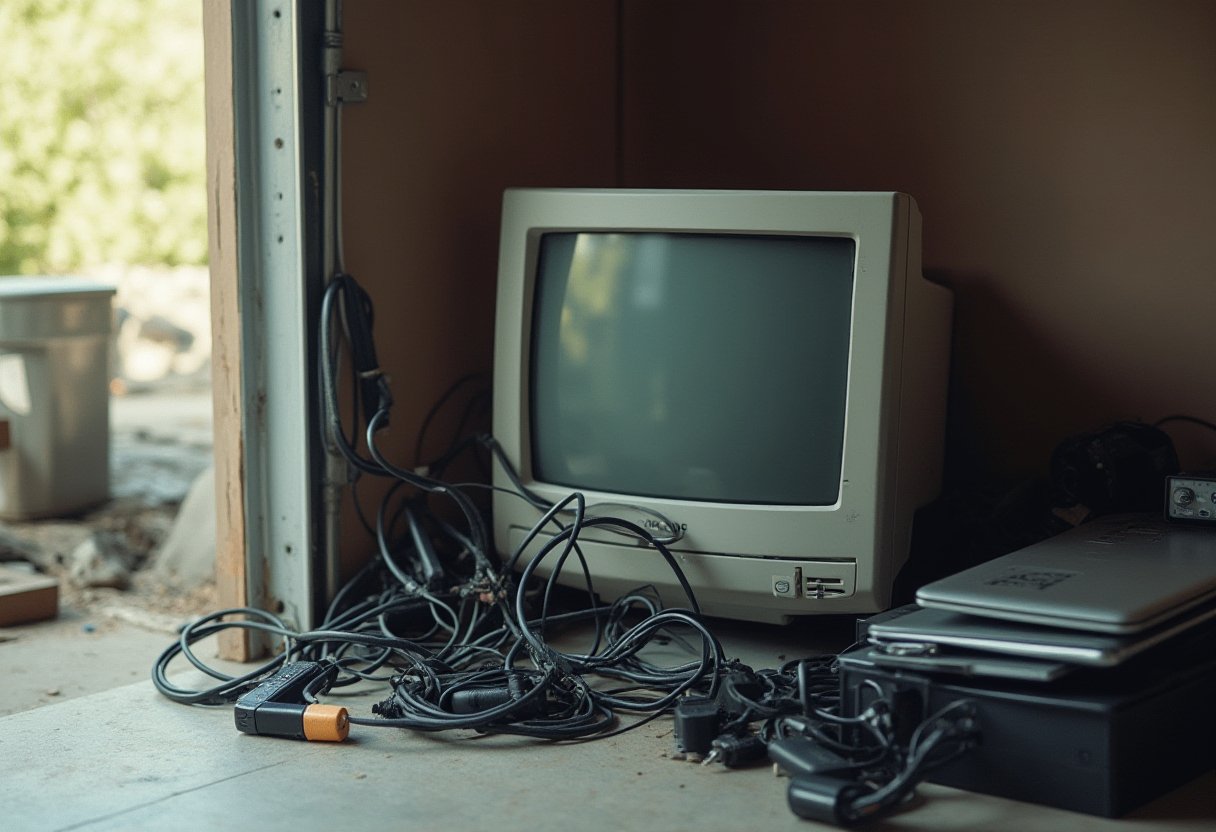
That dead laptop in the cupboard, the old CRT monitor in the garage, the box of cables nobody can name: old electronics disposal is one of those jobs everyone in Prahran and the inner-east keeps putting off. It feels like it should be simple, but between landfill bans, council rules and worries about what’s still on the hard drive, most people just close the cupboard door again. Here’s the good news: there’s a clear, mostly free path through it, and it starts well before you ring anyone for a pickup.

What counts as e-waste and why it can’t go in the bin
E-waste is anything with a plug, battery or cord: TVs, monitors, laptops, printers, phones, routers, the lot. Since 2019, Victoria has banned all e-waste from landfill, which means it can’t go in your general waste bin, and it can’t legally end up in a skip destined for landfill either. That rule is why old electronics disposal trips people up: the option that used to be easiest, chucking it out with the rubbish, simply isn’t there any more.
The reason isn’t just bureaucracy. Old TVs and monitors contain lead and mercury, batteries can spark fires in waste trucks, and there’s real value in the metals inside a laptop or phone that’s worth recovering rather than burying. Put an e-waste item in a general skip or a red-lid bin and you’re not just breaking a rule, you risk a fine, and whoever’s running the transfer station can refuse the whole load.
So the box of cables and the dead monitor in the garage need a different path. The good news is that path is usually free and not far away, it just means knowing where to look before you start ringing around.
The free option, TechCollect and the NTCRS scheme
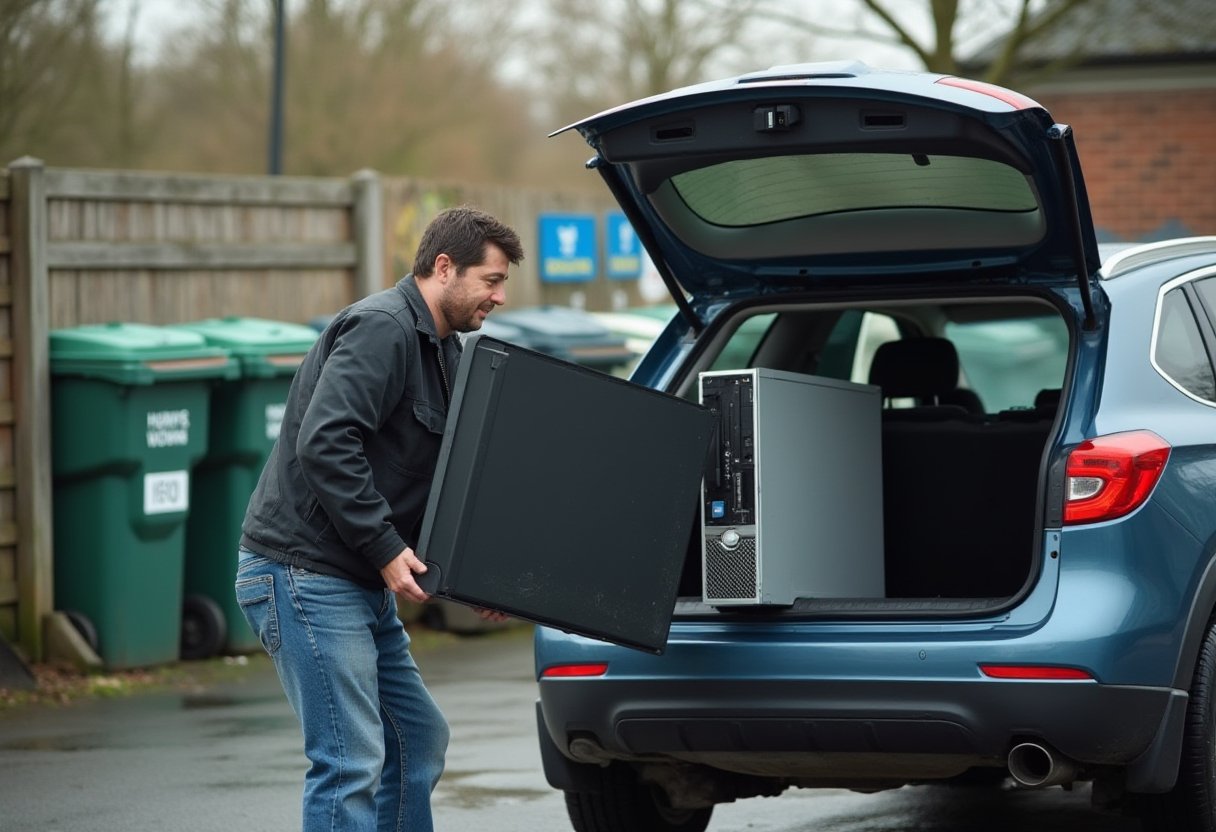
Before you ring anyone, start with TechCollect. It’s the national body behind the Television and Computer Recycling Scheme (NTCRS), a product stewardship scheme that manufacturers fund so householders can drop off TVs, computers, laptops, monitors and their peripherals for free. That covers the bulk of what most people mean by old electronics disposal: the dead 42-inch in the spare room, the laptop with the cracked screen, the tangle of keyboards and mice nobody’s touched since 2019.
TechCollect has drop-off points across Melbourne’s inner suburbs, usually at council transfer stations, and what they’ll take is listed clearly on their site so you’re not guessing at the boot of your car. It’s worth checking before you load up, because printers, cables and some smaller peripherals aren’t always included even though they’re technically e-waste too.
The appeal here isn’t just convenience, it’s that you’re not paying twice: once for the item, and again to get rid of it. For a household clear-out with a few big screens and an old desktop tower, finding your nearest TechCollect point first can turn what feels like an annoying logistics problem into a fifteen-minute drive and done.
Hard rubbish and council drop-off, why it depends on your council
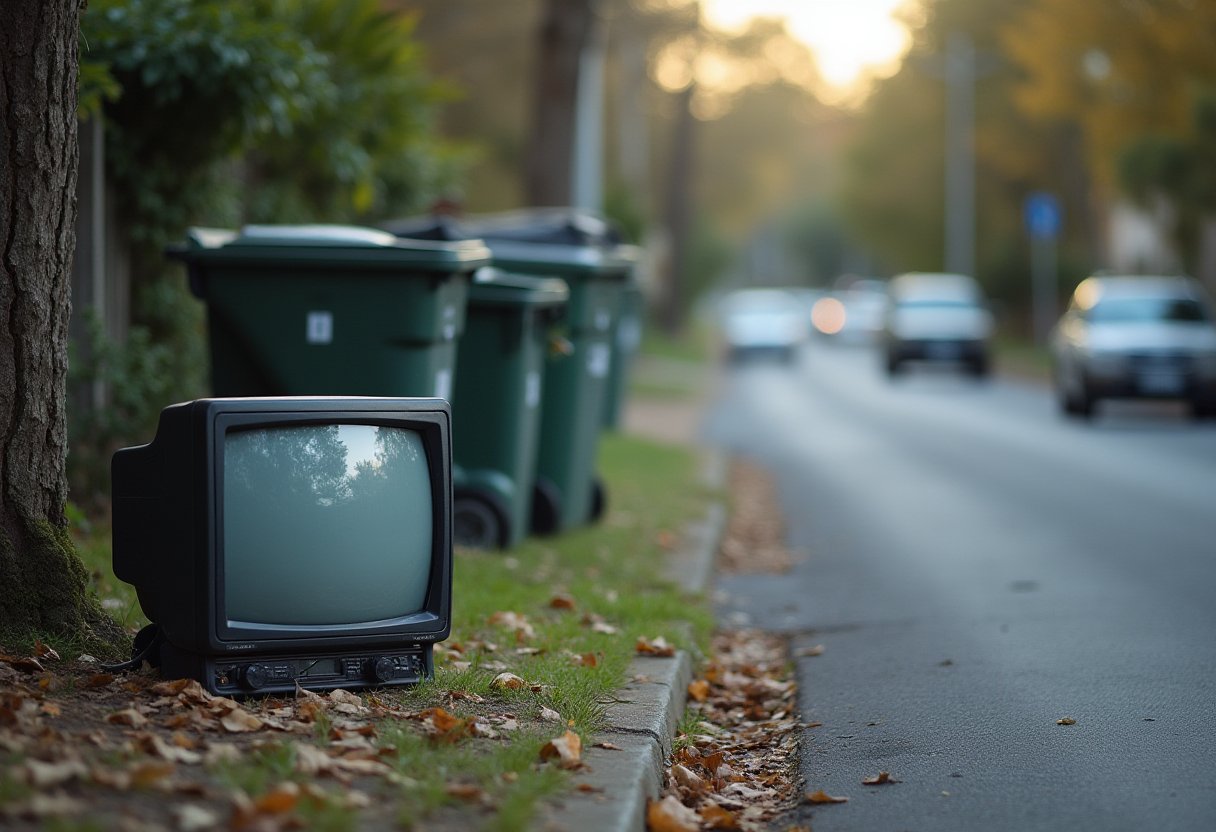
Here’s the bit most guides skip: council hard rubbish is not a reliable way to get rid of a TV or a computer, and treating it as your default plan can leave you stuck with a dead screen on the nature strip for weeks. Some inner-east and inner-south councils, Boroondara among them, run dedicated e-waste drop-off points at their transfer stations. Others don’t take e-waste in hard rubbish collections at all, because it’s been banned from Victorian landfill since 2019 and needs to go somewhere it can actually be processed.
So before you haul anything to the kerb, check your own council’s waste page for what it accepts and where. If hard rubbish isn’t an option, a paid transfer station drop-off is the fallback, but for most old electronics disposal jobs you shouldn’t need to pay at all. A free TechCollect point covers the common items, and it’s worth trying that first. Dumping e-waste illegally isn’t just bad for the environment either, it can land you a fine of up to $10,000, so it genuinely pays to check before you tip anything.
Wiping your data before you let go of a computer or laptop

Before any laptop, desktop or old phone leaves your house, spend five minutes on what’s actually on it. Photos, saved passwords, tax returns, banking apps, all of it can still be sitting on the drive even after you think you’ve cleared your desktop.
A factory reset through the device’s settings is the minimum step, and it’s better than nothing, but it isn’t a guarantee that every trace is gone. If you’ve ever done online banking or stored anything sensitive on the machine, it’s worth asking your recycler directly whether they offer proper data destruction as part of their process, not every part of old electronics disposal automatically includes it.
For most households this is a two-minute conversation, not a technical headache: back up what you want to keep, reset the device, then ask the question before you hand it over. It’s a small step, but it’s the difference between a clean handover and a nagging worry later that something personal is still out there on a drive you no longer control.
Free drop-off first, and wipe it before you hand it over
Old electronics disposal doesn’t need to be complicated. For most TVs, laptops, monitors and computers, a free TechCollect drop-off point is your simplest option, no cost, no fuss. Don’t assume council hard rubbish will take larger e-waste; check with your own council first. Landfill isn’t an option in Victoria anyway. Before you hand anything over, back up your files, do a factory reset, and if you’re not sure it’s enough, just ask the recycler how they handle data.
Frequently Asked Questions
Yes. Victoria banned e-waste, including TVs, computers, monitors and most household electronics, from landfill back in 2019. That means your kerbside general waste bin and most council hard rubbish collections won’t take them, and putting one out anyway just means it gets left behind or the whole collection gets knocked back. The good news is the fix is usually free. TechCollect, the national NTCRS scheme, runs drop-off points across Melbourne’s inner suburbs that take this stuff at no cost. Check your own council’s website first, since a few, like Stonnington and Boroondara, run their own e-waste drop-off days or permanent collection points as well.
Don’t assume it, check first. Some inner-Melbourne councils will collect small e-waste items as part of a booked hard rubbish pickup, but plenty won’t take TVs, monitors or larger electronics at all, and rules vary street by street depending on where you live. Ringing your council or checking their hard rubbish page before you book takes five minutes and saves you a wasted collection or a fine. If they say no, a free TechCollect drop-off is almost always the simpler option anyway, and it means the item actually gets recycled properly rather than just picked up and landfilled somewhere down the line.
It’s a sensible first step, but it’s not a guarantee. A factory reset clears what you see day to day, yet data can still be recoverable from the drive with the right tools, especially on older machines. If you’re getting rid of a computer that’s held banking details, business files or anything sensitive, it’s worth asking your recycler directly whether they offer certified data destruction, not assuming it happens automatically. Some transfer stations and e-waste recyclers do this as standard, others don’t. A quick phone call before you drop it off means you’re not left wondering afterwards.
NTCRS-approved drop-off points like TechCollect take everyday household electronics, TVs, laptops, monitors, printers, free of charge, because manufacturers already fund the recycling through the scheme. Paid transfer-station disposal usually comes into play for items outside that scheme, like larger commercial quantities, or when a council transfer station charges a general handling fee regardless of what it is. For most Prahran, South Yarra or Toorak households clearing out a spare room or a garage, the free option covers it. It’s worth checking before you head anywhere, since paying for something that could’ve been free is an easy mistake to avoid.
Approved recyclers strip devices down to recover materials like glass, plastic, copper and precious metals, which get fed back into new products instead of sitting in landfill for decades leaching lead and mercury into soil and waterways. It’s a genuinely better outcome than the bin, not just a box-ticking exercise. If you’d rather not sort and transport it all yourself, particularly with a garage full of mixed rubbish alongside the electronics, give the team a call on (03) 9820 1927. We’ll take care of the e-waste properly as part of the job and keep it out of landfill.