If you’ve heard whispers of a ‘mandatory recycling scheme’ about to land on Victorian businesses, take a breath before you panic-buy new bins. EPA Victoria’s Circular Economy Market Report 2026 is a real, named document, and it does show Victoria’s diversion rates lagging behind where they should be. But there’s a real gap between what’s confirmed and what’s still out for consultation, and a lot of the coverage doing the rounds blurs the two together. There’s also a quieter, more practical change worth knowing about: Sustainability Victoria is winding down, its circular economy functions are shifting across to EPA Victoria, and the number you used to ring may no longer be the right one.

What the 2026 report shows
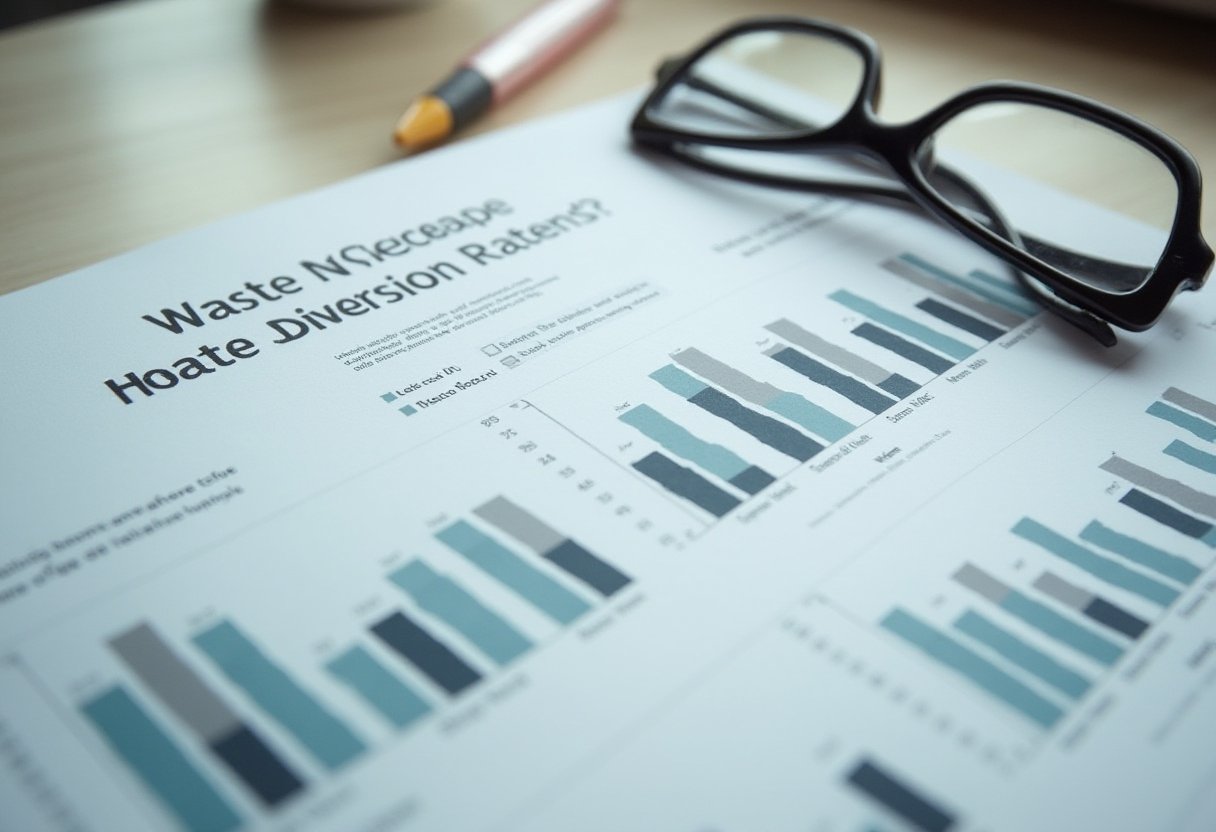
Start with what’s actually confirmed. EPA Victoria’s Circular Economy Market Report is a real, published document, and it lays out where Victoria’s material recovery and diversion performance sits relative to the rest of the country. The headline is not flattering: Victoria is diverting less from landfill than several other states, and the gap has been narrowing more slowly than the state’s own targets assume. That’s the confirmed part. It’s a measurement and a status update, not a new rule.
Where things get murky is everything that follows the findings. Commentary sites have been running headlines that imply mandatory reporting, levies, or product stewardship schemes are locked in for Melbourne businesses this year. They’re not. The report identifies gaps and canvasses options, some of which are genuinely under consultation, but consultation is not legislation. If you run a business in Prahran, South Yarra or anywhere else in the inner suburbs, nothing in this report changes what you’re legally required to do right now.
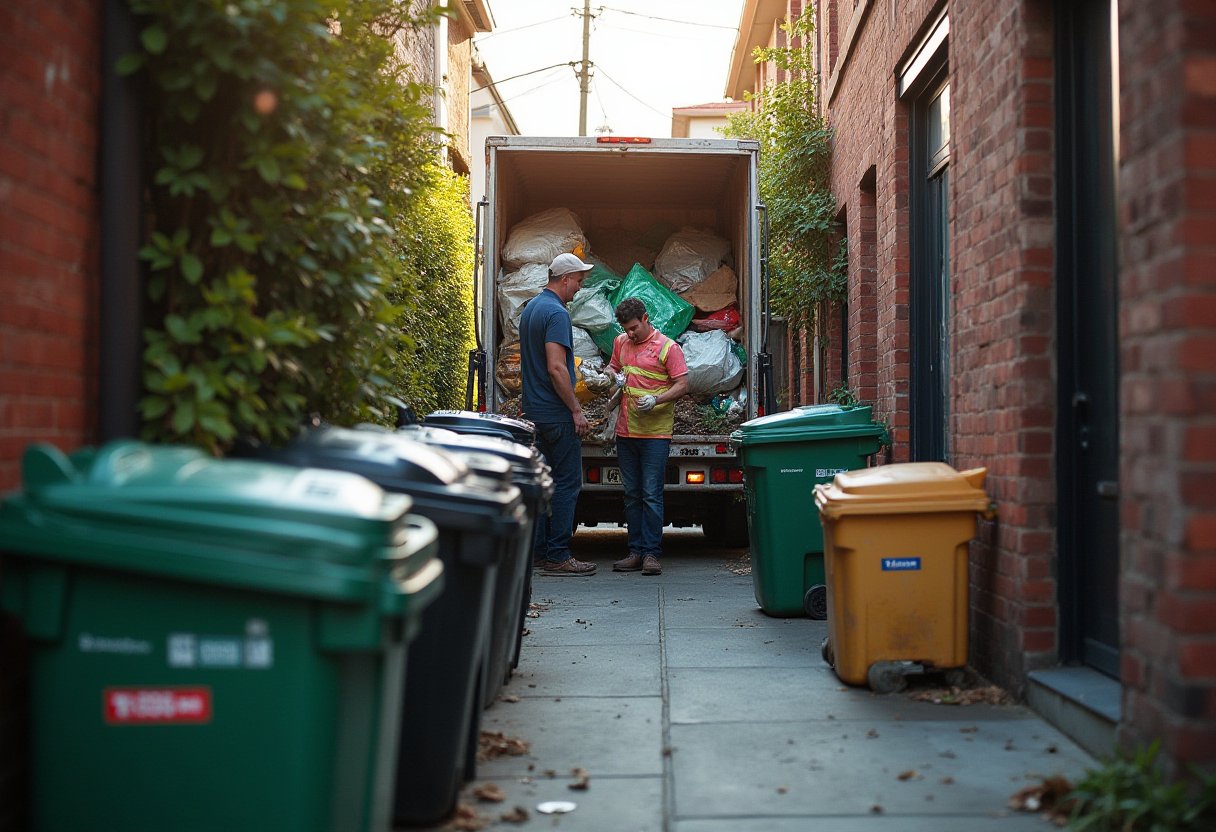
What it does confirm is direction of travel. Victoria wants better material tracking, more consistent commercial recycling, and less landfill dependence across the board, and the report is the evidence base the government will point to when it does eventually firm up policy. Businesses that already sort waste properly, work with a rubbish removal partner who diverts and donates where possible, and keep an eye on how their bins are sorted are already positioned well for wherever this lands. There’s no reason to wait for a mandate to start doing the sensible thing.
Who runs circular economy support now

Here’s the bit that trips a lot of business owners up: Sustainability Victoria isn’t the front door it used to be. Its functions have been folding into EPA Victoria, and the Circular Economy Market Report itself is published under EPA Victoria’s name, not Sustainability Victoria’s. If you’ve been meaning to ring your old contact about a grant, a waste audit, or general circularity advice, EPA Victoria is now the place to start.
That handover matters practically, not just administratively. Grant programs that used to sit with Sustainability Victoria, like the Circular Economy Recycling Modernisation Fund, are still running, but the agency name on the paperwork has changed. If you’re applying for round six or a future round, check who’s currently administering it before you assume the old contact details still work.
Councils haven’t gone anywhere in this picture. If you’re a Prahran, South Yarra or Caulfield business, your council waste team is still your first call for bin sorting, commercial collection contracts, and local hard-rubbish rules. EPA Victoria sits above that, setting statewide direction and holding the data. City of Melbourne also runs its own circular economy program for businesses in the CBD and inner city, worth a look if you’re based there.
None of this restructuring changes what a business actually needs to do day to day. It just changes who picks up the phone when you need help doing it properly.
What’s confirmed, what’s proposed
Here’s where things actually stand, because the two get muddled online. Confirmed: Sustainability Victoria’s functions are being folded into EPA Victoria, and that handover is happening now, not “coming soon”. The EPA’s circular economy market report is a real, published document, not a rumour, and it does set out where Victoria’s material recovery and reuse rates currently sit against national and international benchmarks. Also confirmed: funding rounds like the Circular Economy Recycling Modernisation Fund continue to open and close on a schedule, and businesses can apply for them right now.
What’s still proposed, not law: any suggestion of a mandatory circularity scheme with penalties for non-compliant businesses. That framing shows up a lot in generic content written for a national audience, but Victoria hasn’t finalised anything of the sort. The federal circular economy framework and the Productivity Commission’s work in this space are both still at the inquiry and consultation stage. Consultation isn’t legislation, and legislation isn’t enforcement.
So if you’re running a business in Prahran, Richmond or anywhere in the inner-south and someone tells you a mandatory scheme “kicks in this year,” ask which document they’re quoting. Chances are it’s a proposal being treated as a done deal.
The practical takeaway: you don’t need to wait for a scheme to start doing this properly. Diverting waste from landfill, sorting recyclables correctly and choosing a rubbish removal partner who actually follows through on that sorting puts you ahead of where any future rule is likely to land, not scrambling to catch up to it.
Funding and practical steps
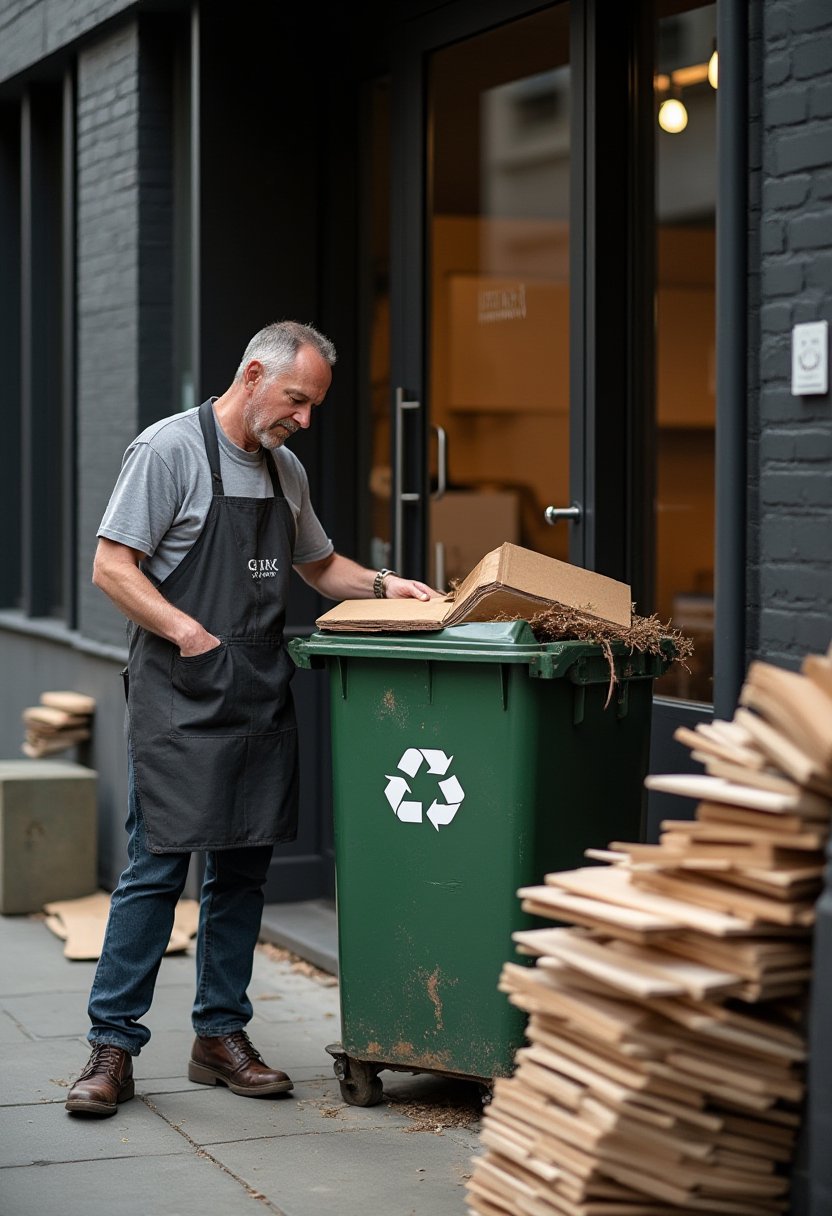
Here’s the useful part: there’s real money on the table right now, not in some future scheme. The Victorian Circular Economy (Recycling Modernisation Fund) is currently taking applications for round six of its grant funding, aimed at businesses improving how they sort, process or divert materials from landfill. If you’re a business in Prahran, South Yarra or anywhere across the inner-south weighing up whether an upgrade to your waste setup is worth it, that’s the door to knock on, not a hotline for a mandatory scheme that hasn’t been legislated.
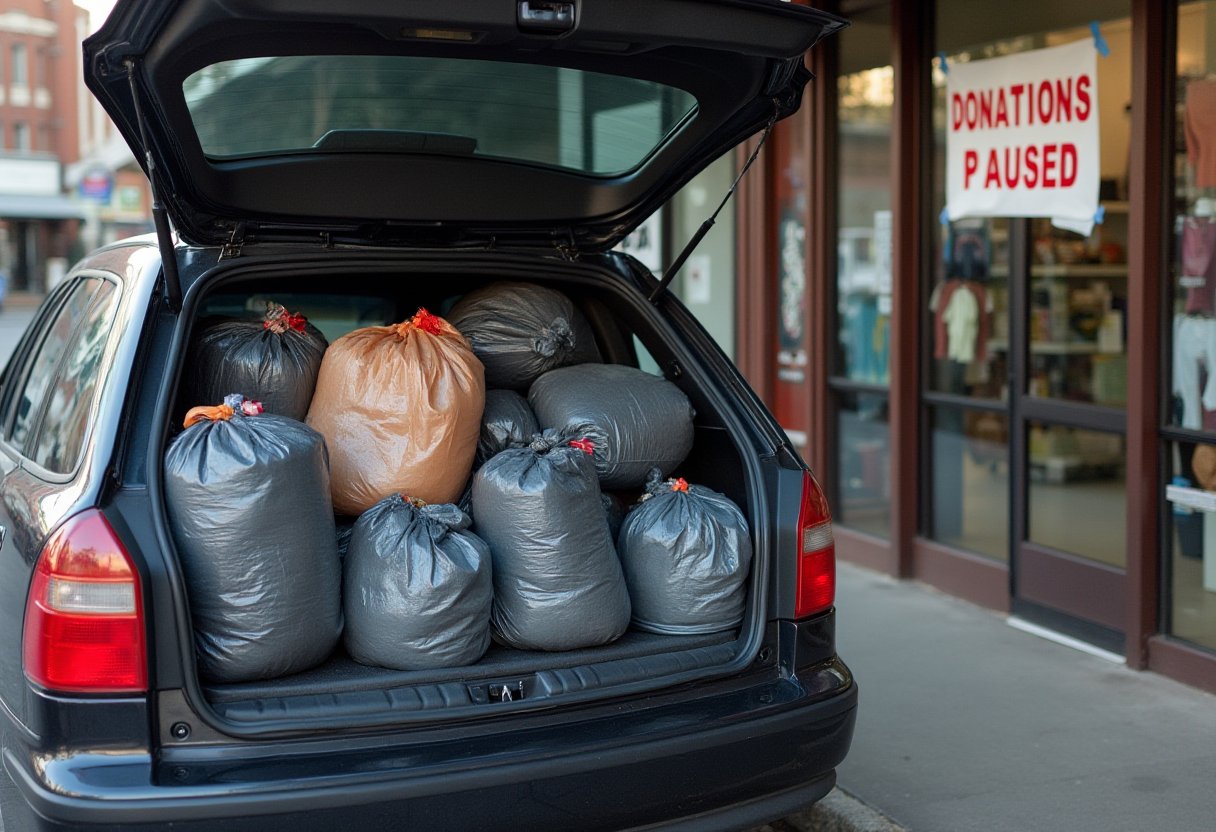
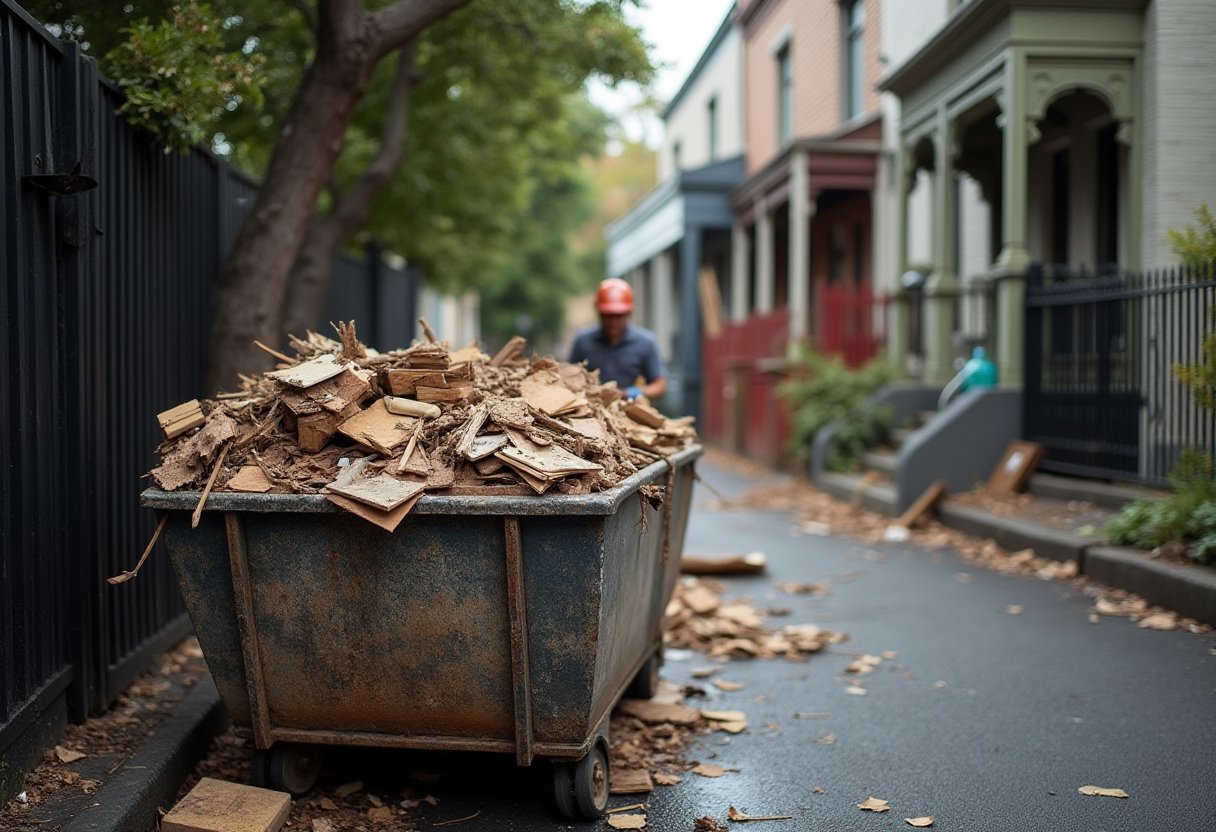
Beyond grants, the practical steps are the same ones we’d suggest to any client regardless of what Canberra or Spring Street eventually decides. Get an honest look at what’s actually going into your general waste bin. Most inner-Melbourne businesses find a chunk of it is cardboard, timber, e-waste or furniture that has a home elsewhere, whether that’s a specific recycler, a donation partner or a council drop-off point. Ask your rubbish removal provider what happens to your load after it leaves your premises, and if the answer is vague, that’s worth noting.
None of this requires a compliance deadline to justify it. It’s just good business, and it happens to be exactly where the regulatory conversation is heading anyway.
Where things actually stand
Here’s where things actually stand: Victoria’s circularity numbers need to improve, the handover from Sustainability Victoria to EPA Victoria is real, and a fair bit of the “mandatory scheme incoming” chatter you’ll find online is ahead of what’s confirmed. You don’t need a compliance deadline to act on any of this. Sort your loads properly, ask your provider where the material ends up, and if you’re eligible, look at funding like the Circular Economy Recycling Modernisation Fund while it’s still open. Businesses already doing this well are already ahead of where the reforms are heading. That’s a genuinely good place to be.
Frequently Asked Questions
Yes, it’s a genuine report from EPA Victoria, not a vague industry trend piece. It looks at how Victoria is actually tracking on waste diversion, recycling rates and material reuse across the state, and it’s blunter than a lot of the marketing copy floating around: our circularity numbers are behind where the government wants them to be. For a Melbourne business, the useful bit isn’t the headline stat, it’s the direction of travel. If you’re already sorting waste properly and diverting from landfill, this report is confirming you’re ahead of the curve, not warning you that you’re behind.
Not yet, and this is where a lot of online commentary gets ahead of itself. Some measures are confirmed and already in motion. Others, including broader mandatory schemes for certain waste streams, are still under consultation, meaning they’re proposed but not locked in. There’s a real difference between “the government is looking at this” and “this is now the law.” We’d rather you understand that gap clearly than worry about a scheme that hasn’t been finalised. Keep an eye on EPA Victoria’s official updates for anything that moves from proposal to confirmed regulation.
Sustainability Victoria’s functions are being handed over as part of a broader institutional shift, with EPA Victoria taking on a bigger role in waste and circular economy matters going forward. If you’ve previously dealt with Sustainability Victoria for grants, guidance or reporting, expect that relationship to shift to EPA Victoria over the coming period. It’s worth checking EPA Victoria’s website directly rather than relying on an old bookmark or a contact that may no longer be current, particularly if you’re mid-way through a grant application or compliance query.
Plenty, and most of it pays for itself. Get your waste properly sorted at the source (recycling, e-waste, organics separated from general rubbish), work with a removal partner who diverts and donates where possible rather than sending everything straight to landfill, and keep basic records of what you’re diverting. None of that requires a new law to justify it. Businesses around Prahran, South Yarra and the inner-south that are already doing this won’t need to scramble if a mandatory scheme eventually lands. They’ll already be compliant in practice.
It’s still worth knowing about, even if you’re not a major waste generator. Reforms and reporting requirements in this space tend to start with larger businesses and work their way down over time, so small operators who get ahead of good waste habits now avoid a scramble later. It also just makes commercial sense: proper sorting and diversion usually costs the same as, or less than, sending everything to landfill, and it’s an easy thing to mention to customers who care about sustainability. You don’t need to be a big player for this to be relevant to how you operate.