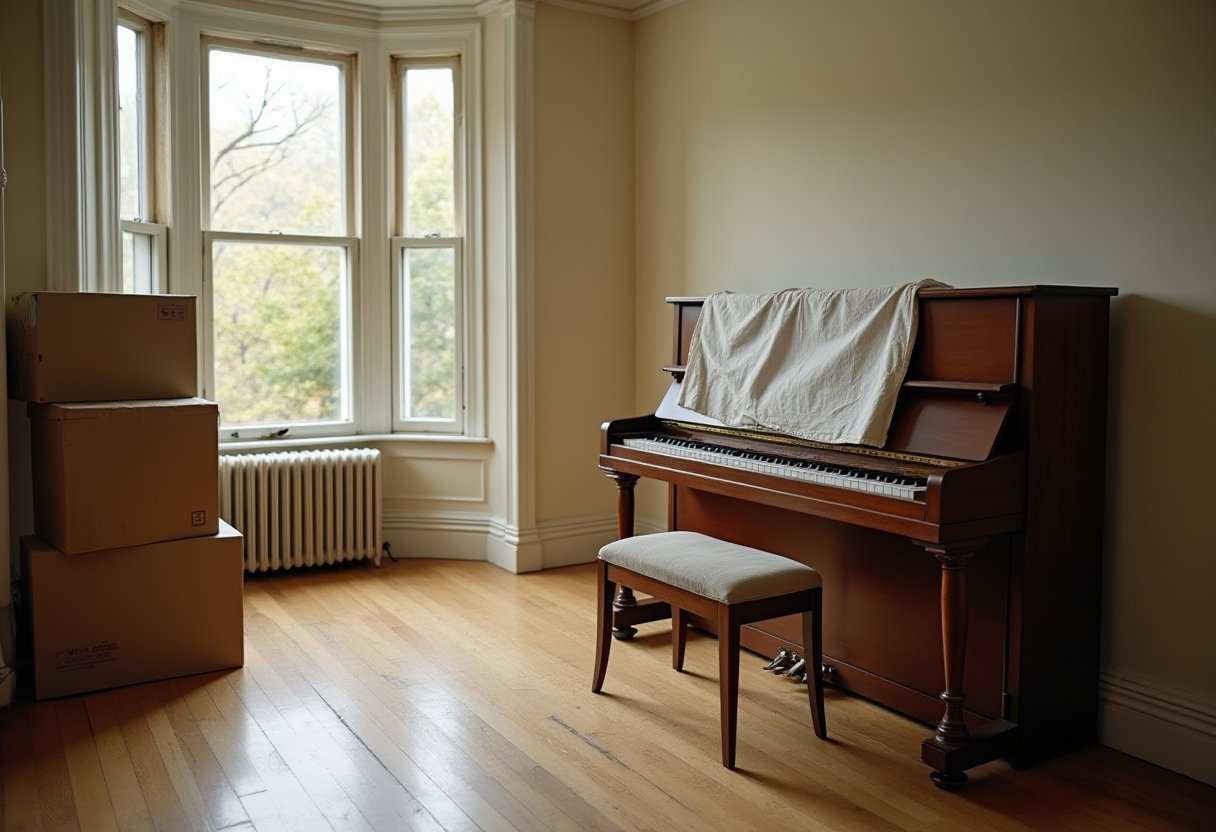
If you’ve typed piano disposal melbourne into Google at eleven at night, you already know the feeling: every charity shop in Prahran and beyond has said no, and you’re starting to think there’s something wrong with your piano. There isn’t. A piano gets rejected for two separate reasons, and neither has anything to do with you. Charities can’t manage the freight and storage, and most inner-Melbourne councils won’t take anything that size and weight off the kerb for hard rubbish. Once you see it as a logistics problem rather than a verdict on the piano, what to do next gets a lot clearer.

Why nobody wants it
It helps to split this into two separate problems, because they’re not the same thing at all.
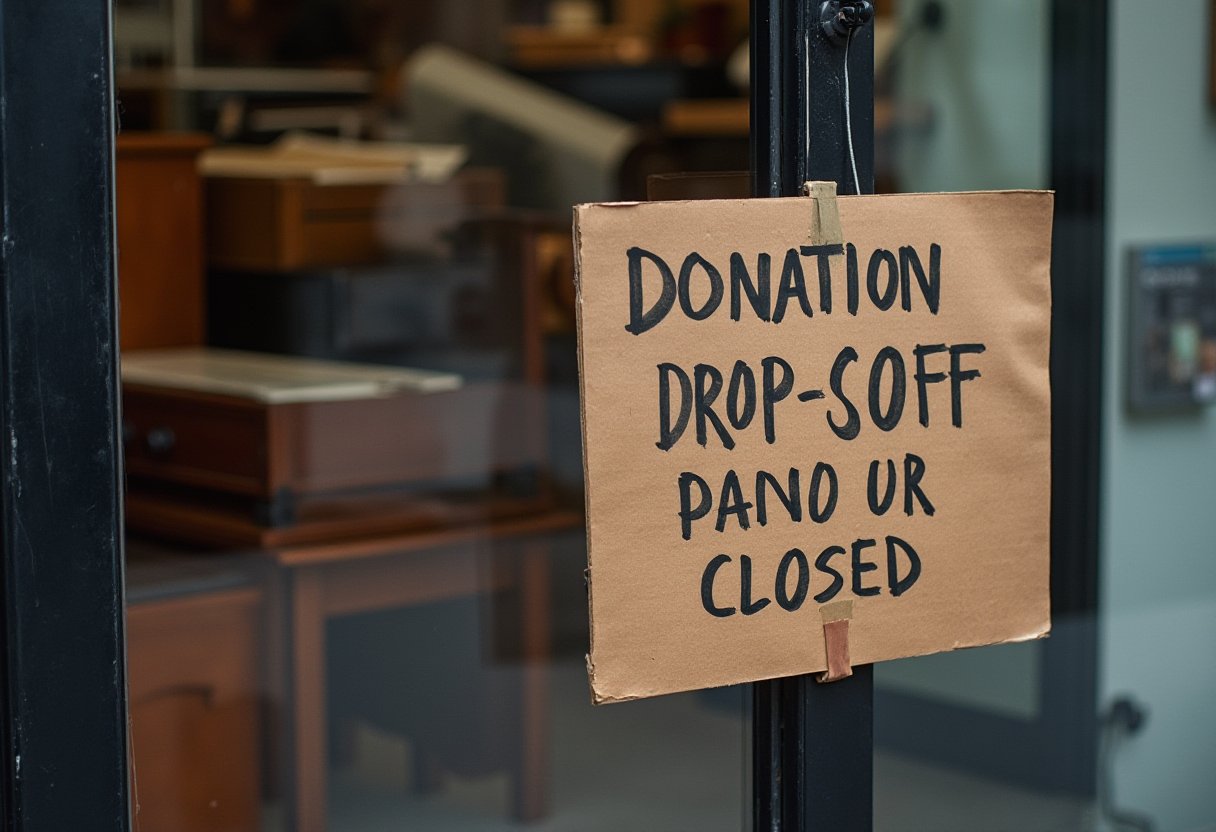
The first is charities. Op shops run on volunteers and small vans, not removalists with hoists and blankets. A piano weighs anywhere from 180 kilograms for an upright to well over 300 for a grand, and moving one safely takes specialist gear and at least two trained people. Even when a charity would love to take it, furniture donations generally have to be dropped at a shop that actually sells furniture, after ringing ahead, and that is not a process that stretches to an instrument you cannot lift into the car. Floor space in a shop is worth more filled with things that sell in a week, not a piece that might sit for months.
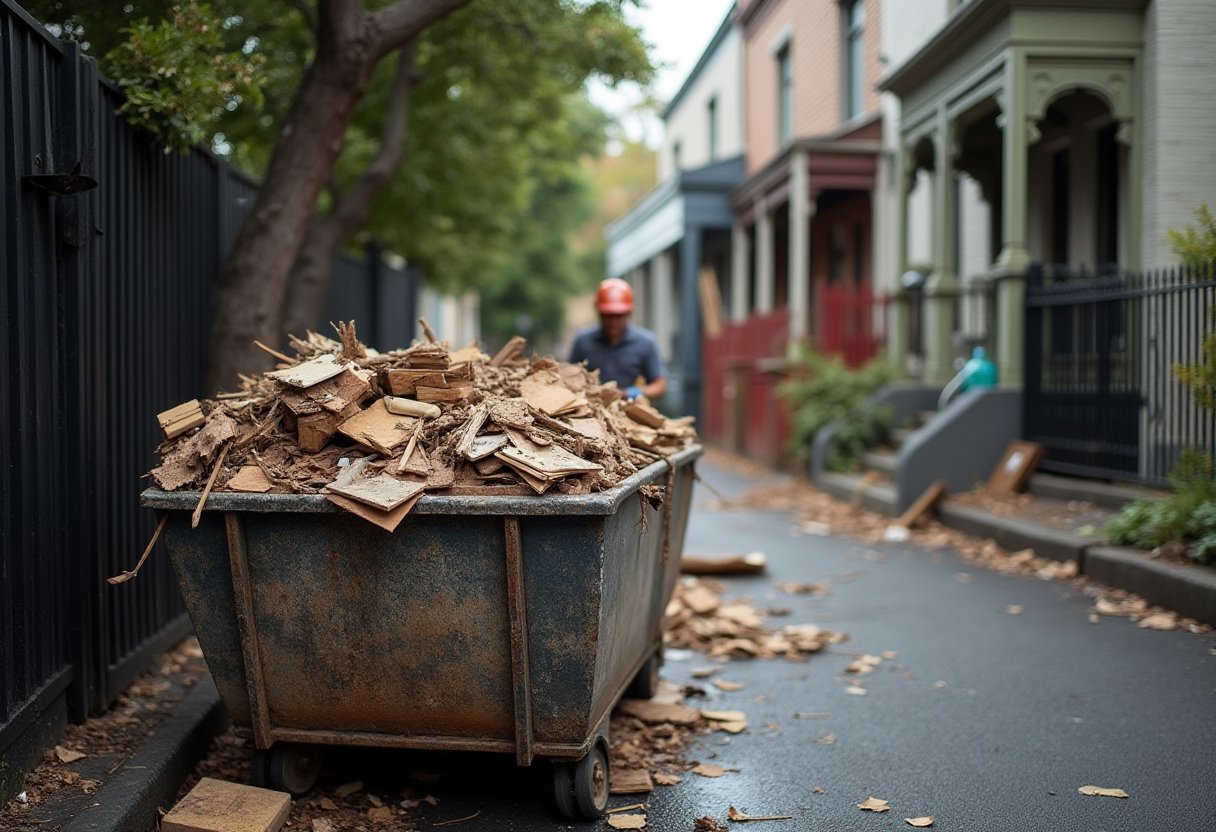
The second is councils, and this one catches people out. Hard rubbish collections across the inner-east and inner-south set a weight and length limit on every single item, and a piano blows straight through them. Stonnington caps each item at 20 kilograms, so one person can lift it, and 1.5 metres long. An upright piano starts around nine times that weight. It’s not that your council thinks less of your piano than your old couch; it’s that the collection is built around what one person can carry, not what needs a trolley, a ramp and a truck with a tail-lift.
So when you’re looking at piano disposal in Melbourne and getting knocked back everywhere, it’s worth remembering neither rejection is really about the piano’s condition, its sound, or whether someone would want it. It’s about who has the equipment to move it. That’s a completely different question, and a much easier one to solve.
The scenario that makes it urgent
Here’s a scenario that shows up more than you’d think: a tenant moves out of a rental in Prahran or St Kilda and leaves the piano behind, because moving it wasn’t in the budget and it definitely wasn’t going with them in a hatchback. Now it’s sitting in someone else’s lounge room, and it’s not clear whose problem it is.
Under Victorian law, a piano left behind is a good that could be sold, so the rental provider has to store it safely for at least 14 days and use the official Notice of goods left behind form to tell the former renter about it. The 14 days runs from the day they first tell the renter, not from the day the lease ended. That is a genuinely different process to a homeowner deciding to move on from their own instrument. If you’re the landlord, the agent, or the next tenant staring at an upright you didn’t ask for, you’re not just solving piano disposal in Melbourne, you’re working out who’s legally allowed to make the call in the first place.
It’s the same underlying issue as everywhere else in this article: nobody is questioning whether the piano deserves a home. The urgency comes from a lease ending, a settlement date, or an agent needing the property re-let, and a piano doesn’t care about any of those deadlines. That’s what turns a slow-burn decision into one that needs sorting this week.
What actually works
Once you’ve ruled out donation and hard rubbish, three options actually get a piano out of a house.
If it’s a decent instrument (in tune, no cracked soundboard, made by a name someone recognises), try selling it before anything else. Piano dealers, restorers and specialist Facebook groups will occasionally take a genuine mid-range piano off your hands for free removal, or even a small sum, because they can see resale value a charity can’t be bothered assessing. It won’t work for a piano that’s been sitting in a damp garage for a decade, but it costs you nothing to ask.
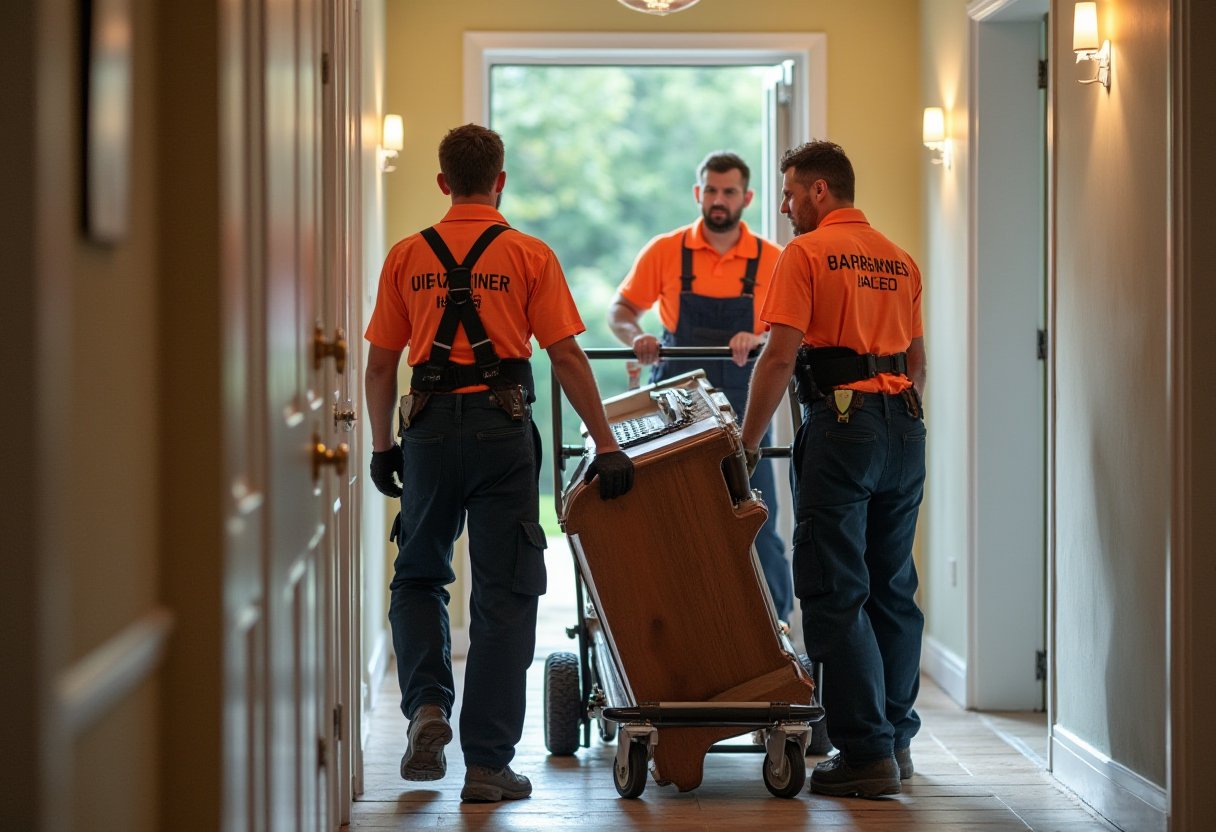
For everything else, book a proper removal. This is where piano disposal in Melbourne stops being a puzzle and just becomes a job: two or three people, the right trolley, and a truck that can actually take the weight, since an upright runs from 180 kilograms and a grand well past 300. A team that does this regularly will get it down the hallway and through the front door without taking the architraves with it.
Recycling is the rarer third option, and it’s genuinely rare. A few specialist processors will strip pianos for the metal frame and reusable timber rather than sending the whole thing to landfill. The Sustainability Victoria directory that used to list them stopped being updated when the Buy Circular service closed in April 2026, so treat anything still listed there as a number to ring rather than a current guarantee. Worth checking, but don’t expect one to be around the corner.
Whichever route you pick, the common thread is that someone with the right gear needs to move it. That’s the actual decision. Everything before this point was just working out who that someone should be.
Organs are a different problem
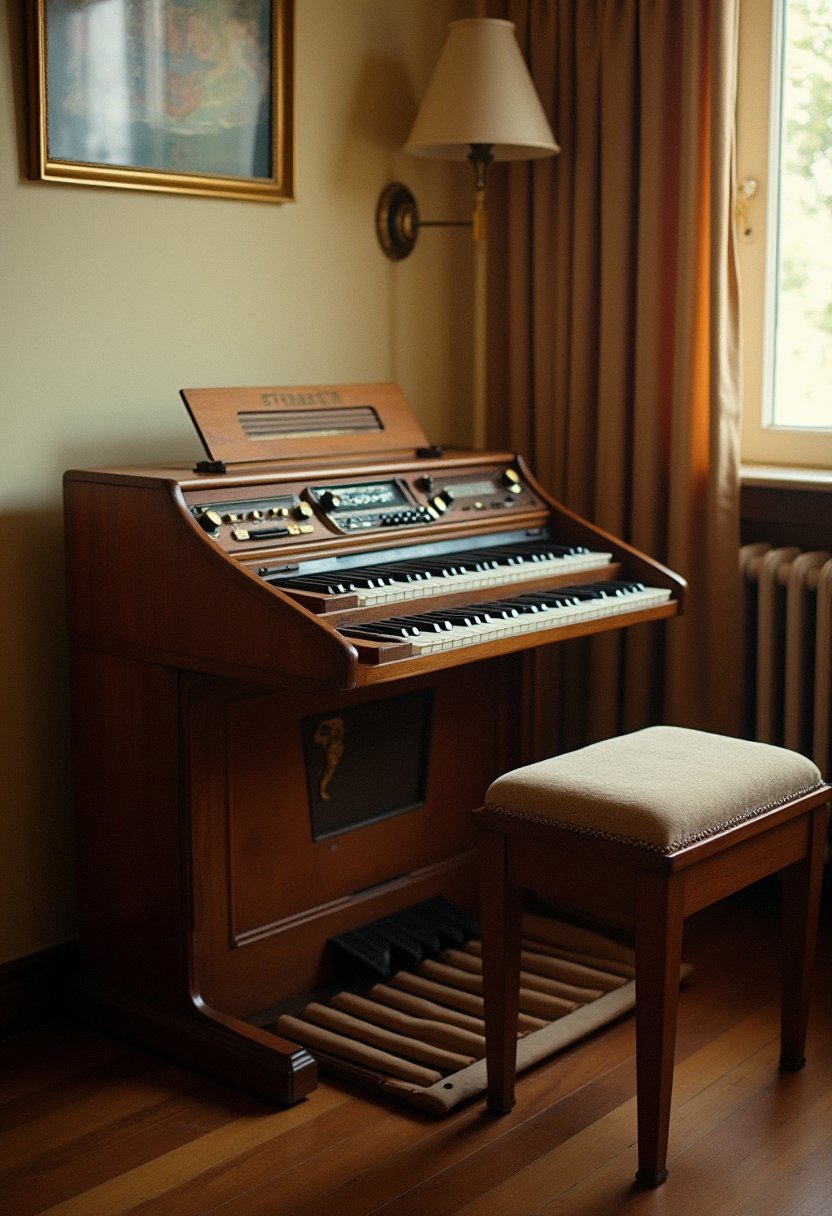
Worth pausing on this because people conflate the two. A home organ, the kind with a bench and two keyboards that turned up in a lot of Toorak and Kew lounge rooms in the seventies and eighties, isn’t a piano. It’s an electronic instrument in a wooden cabinet, and once you take the cabinet out of the equation it behaves like any other bit of dead electronics: lighter, no cast-iron frame, no tuning pins holding string tension. So it doesn’t need the specialist handling a piano does. It does need the right destination, though. Anything with a plug or a power cord falls under Victoria’s e-waste landfill ban, so the electronics can’t go to landfill, and only some councils include e-waste in a hard rubbish collection. Check yours before you put it out.
A pipe organ is the other extreme and almost never a homeowner’s problem in Melbourne’s inner suburbs; those are institutional jobs. If what’s sitting in your lounge room hums and plugs in, treat piano disposal Melbourne advice as background reading, not the instruction manual.
getting it sorted
Once you’ve worked out why nobody wants it, the actual decision is simple. If the piano’s in reasonable nick, try selling it locally, even for next to nothing; someone’s after a beginner instrument. If it’s not, book it in with a rubbish removal team who can manage the weight and the stairs, rather than wrestling it down a Prahran terrace hallway yourself. Recycling through a specialist is the rarer option, worth it mainly for genuinely damaged pianos with reusable timber or metal.
If it’s a tenant’s piano left behind after they’ve moved out, check your obligations before you touch it; there’s a process for that, and it’s not yours to bin on day one.
Frequently Asked Questions
It’s rarely about the piano itself, it’s about the logistics. Most charity shops run on volunteer teams and small vans, and a piano needs at least two trained people, a trolley, and a ramp or stairs strategy to move safely. Furniture donations at most op shops are drop-off only, at selected shops, after ringing ahead, which rules out anything you can’t get into a vehicle yourself. It’s also a space issue: a piano can sit unsold in a warehouse for months, taking up room that could hold ten smaller donations. None of this reflects on the condition of your piano. It’s a straightforward capacity decision on their end, not a judgement on yours.
Almost never, and it’s worth checking before you plan around it. Most inner-Melbourne councils cap hard rubbish by item weight and length rather than by what the item is: Stonnington allows 20 kilograms and 1.5 metres per item, and an upright piano starts around 180 kilograms. That puts it well outside what a collection crew is equipped to lift. The councils also work differently from each other, which matters if you’re timing a clear-out. Stonnington runs a scheduled area-wide round with the date for your street posted out to you, while Boroondara gives you two booked collections each financial year. Check your own council’s excluded-items list before you plan around either, so you’re not left with a piano still sitting on the nature strip.
Sometimes, yes, particularly if it’s a decent upright or a recognised brand like Yamaha or Kawai. Piano teachers, local music schools and secondhand piano dealers in Melbourne will sometimes take a playable instrument for a modest price or even collect it for free if it saves them a trip elsewhere. List it with clear photos, the brand, and whether it’s still in tune. If it’s been sitting unplayed for years or has visible damage, though, be realistic: it’s likely headed for removal rather than a sale, and that’s fine.
A piano is mostly timber, cast iron and steel wire, so a good removalist won’t just tip it into landfill. The cast-iron frame and steel strings are pulled for scrap metal recycling, and the timber cabinet is broken down and diverted where possible. It’s not glamorous, but it means the piano isn’t wasted, it’s just no longer playable furniture. If you’d rather not manage any of this yourself, give the team at It’s Done a call on (03) 9820 1927 and we’ll quote it for free.
This comes up more than people expect, especially after a lease ends and the piano’s still sitting in the lounge room. Legally these are goods left behind, and because a piano is a good that could be sold, the rental provider has to store it safely for at least 14 days and formally notify the former renter first, using Consumer Affairs Victoria’s Notice of goods left behind form. The 14 days runs from the day that notice goes out. Once that’s covered, it’s the same removal process as any other piano, just with one extra step before you book anything in.