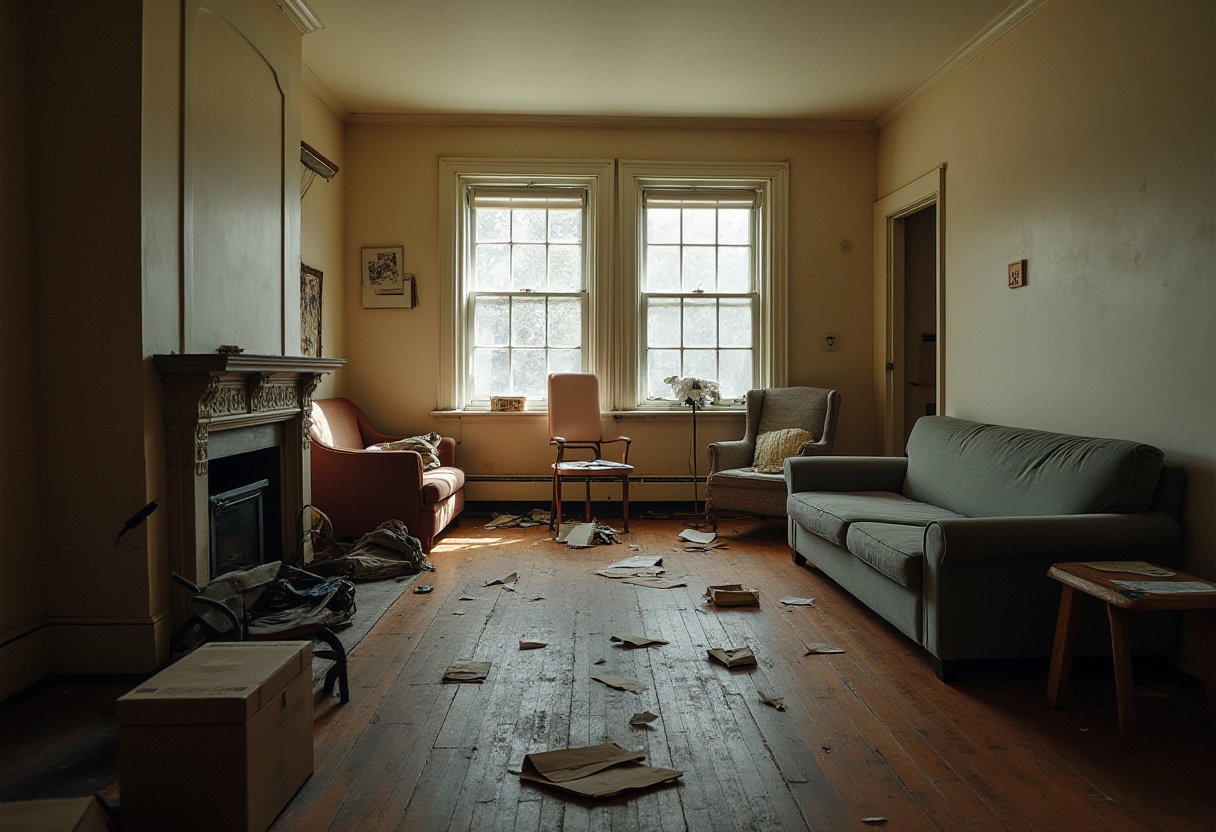
If a renter has moved out and left possessions behind, the rules covering goods left behind by a tenant in Victoria come with real numbers attached: 14 days for goods worth something, 90 days for anything that counts as a personal document, and a short list you’re allowed to get rid of straight away. Before any of that applies, though, you need to know whether you’re dealing with goods left behind or an abandoned property, because those are two different pathways with two different sets of paperwork. This isn’t legal advice, just the practical order most rental providers need: work out which situation you’re in, give the right notice on the right form, then store for the right period before anything gets cleared.

Step 1: Work out whether this is goods left behind or abandonment
Get this wrong and every step after it is built on the wrong foundation, so it’s worth a few minutes before you touch a single box.
Goods left behind is what you’re dealing with when the rental agreement has properly ended. The renter handed back the keys, or a notice to vacate ran its course, and there are still belongings in the property. This is the more common scenario and it’s the one this guide focuses on. Consumer Affairs Victoria sets out a specific notice and storage process for goods left behind by a renter that has to be followed before anything can be sold or disposed of.
Abandonment is different, and Consumer Affairs Victoria draws the line clearly: a renter is generally considered to have abandoned a property if they move out but either haven’t been given a notice to vacate, or haven’t given you a notice of intention to vacate. Nobody told anybody. If that’s your situation, you can secure the property by locking doors and windows, but you can’t simply let yourself in for a look. The rules for entering a property you believe has been abandoned still apply, and you’re expected to use the Notice to renter of entry to rented premises form, ideally sent by registered mail so there’s no argument later about whether it arrived.
Worth knowing before you assume the worst: late or unpaid rent does not by itself mean a renter has abandoned the property. Plenty of rental providers have jumped to that conclusion and found themselves in a dispute.
To actually end the agreement on abandonment grounds you apply to VCAT for an order declaring the property abandoned, under section 91ZG of the Residential Tenancies Act 1997. VCAT hears these within 5 business days, and you may need to bring evidence, usually photographs of the property and a record of when the rent stopped. Two other things follow from an abandonment finding. You can lodge a bond claim indicating the renter isn’t contactable, though if you want to claim any of the bond you’ll need a VCAT order for that too. And if there are pets in the property, that isn’t a rubbish removal problem or something to sit on. Consumer Affairs Victoria says to contact RSPCA Victoria immediately.
Step 2: Give the right notice, on the right form

Once you’ve established the agreement has ended and there are goods sitting in the property, the next move is telling the former renter about them. Not a text message, not a note on the bench. Consumer Affairs Victoria is specific: rental providers must use the Notice of goods left behind form to tell a former renter what they’ve left. Beyond the form itself, you’re required to take reasonable steps to actually reach them, which means steps most people would think are fair rather than one email to an address you suspect is dead.
This matters more than it looks, because the clock doesn’t start when you notice the place is empty. The 14 days runs from the date you first tell the renter about the goods. Delay the notice and you’ve simply delayed your own ability to clear the property.
There’s one rule here that catches rental providers out more than any other, so it’s worth stating plainly: you cannot refuse to return someone’s belongings, even if they owe you rent, and even if you’re holding a possession order. Withholding a renter’s things as leverage over arrears isn’t a grey area. It’s the sort of thing that ends up at VCAT with a compensation order attached.
You and the former renter can agree to a longer storage period if that suits both of you. If they ask for longer and you say no, they can apply to VCAT for an order extending it, so a flat refusal doesn’t necessarily end the conversation.
Keep a simple written record while all this is happening: the date you gave notice, what’s being stored, and where. It’s tedious, but it’s the difference between a clean process and an argument you can’t win. Photographs help too. A few dated phone photos showing what was left and the condition it was in cost you nothing and settle most disputes before they start.
Step 3: Store for the right period, then dispose
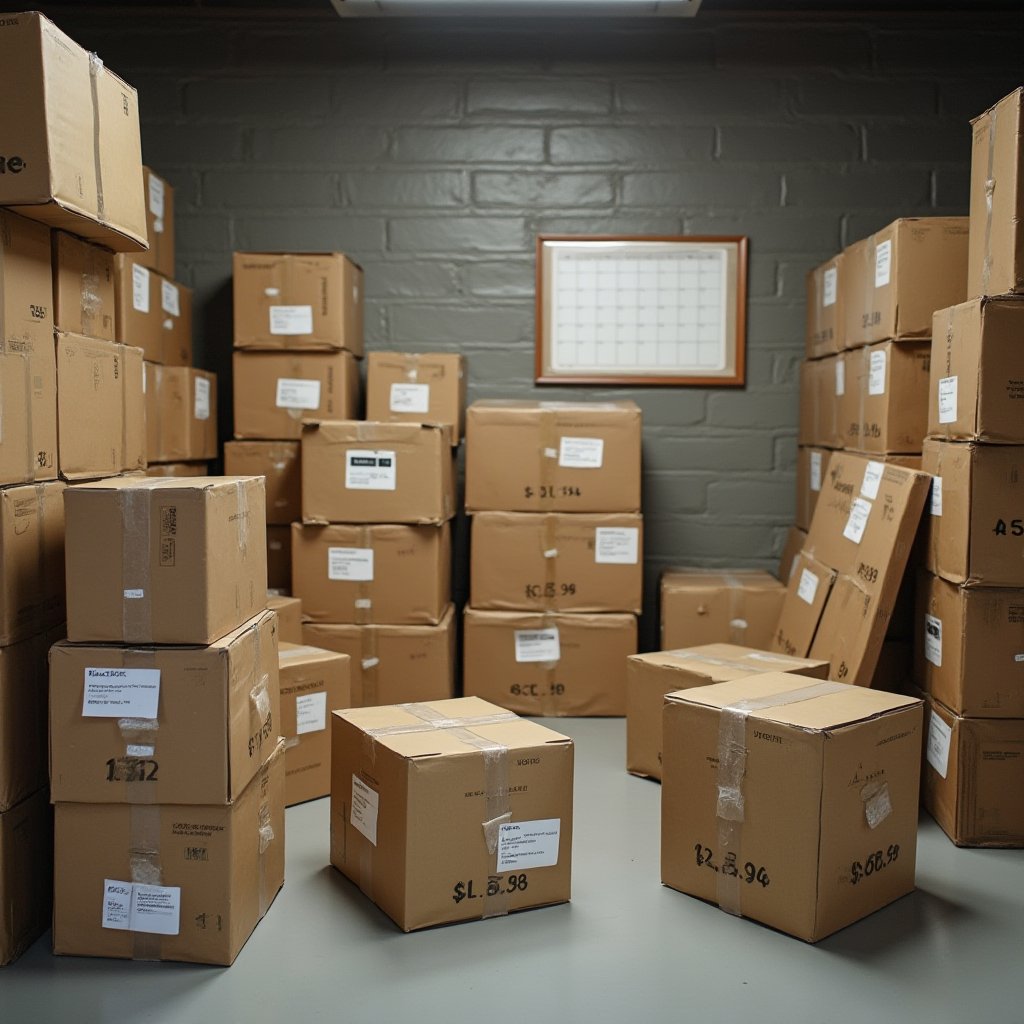
Here’s where most guides go vague, so here are the actual categories. They don’t scale by value in the way people assume, and the longest period attaches to the things worth the least money.
Straight away. You can immediately dispose of perishable food, dangerous goods, and goods not worth any money. That last one surprises people, but it’s there in black and white, and it’s the difference between a property you can re-let next week and a garage full of somebody else’s broken things. The exceptions are personal documents and the 14-day list below, which stay protected no matter what they’re worth.
14 days. Four categories must be stored in a safe place for at least 14 days: goods that are able to be sold, labelled containers or urns containing human remains, specialised medical devices and equipment including prostheses and prescription medications, and medals and trophies. That list is worth reading twice, because two of those categories have nothing to do with resale value and everything to do with the fact that they’re irreplaceable.
90 days. Personal documents have to be kept safe for at least 90 days, and the definition is much broader than most rental providers expect. It isn’t just passports and tax paperwork. Consumer Affairs Victoria includes official documents, photographs, mail and other correspondence, images on still and video cameras, material on computer hard drives, and anything else someone would reasonably be expected to keep. That means a left-behind laptop is a personal document, not an old computer to drop off for recycling, until the 90 days is up. A shoebox of family photos is a personal document too. Get this one wrong and you can be fined for it. Once the 90 days has run and nobody’s claimed it, the same laptop becomes ordinary e-waste, which brings its own rules: Victoria banned electronic waste from landfill, so it can’t go in a general load either.
You have to hand documents back once the former renter has covered any reasonable costs you paid to remove and store them. If 90 days pass and nobody claims them, you can dispose of them, and you can apply to VCAT to be compensated for what looking after them cost you.
If you sell the goods, the money isn’t yours yet
This is the part that catches people who do everything else right. If the 14 days pass unclaimed and you sell the goods rather than disposing of them, the former renter has 6 months to claim the proceeds, minus your occupation fee and whatever the sale cost you. If they don’t claim within 6 months, you must pay that money into the Residential Tenancies Fund within 30 days. Selling a renter’s furniture and quietly keeping the proceeds isn’t a shortcut, it’s a liability.
On the subject of money, you can charge an occupation fee to cover reasonable costs of moving and storing the goods, but only in a narrow case: where there were so many goods, or they were so bulky, that you couldn’t re-let the property. Even then it’s capped at whichever is lower, the rent that would have been payable for the days the goods were stored, or 14 days’ rent in total.
These same rules cover rooming houses, caravan parks and residential parks, not just standard rental agreements, and the whole framework sits in Part 9 of the Act. If your situation is genuinely unclear, a call to Consumer Affairs Victoria or a tenancy lawyer will cost you less than a VCAT application will.
Once you’re legally clear, the clear-out is the easy part

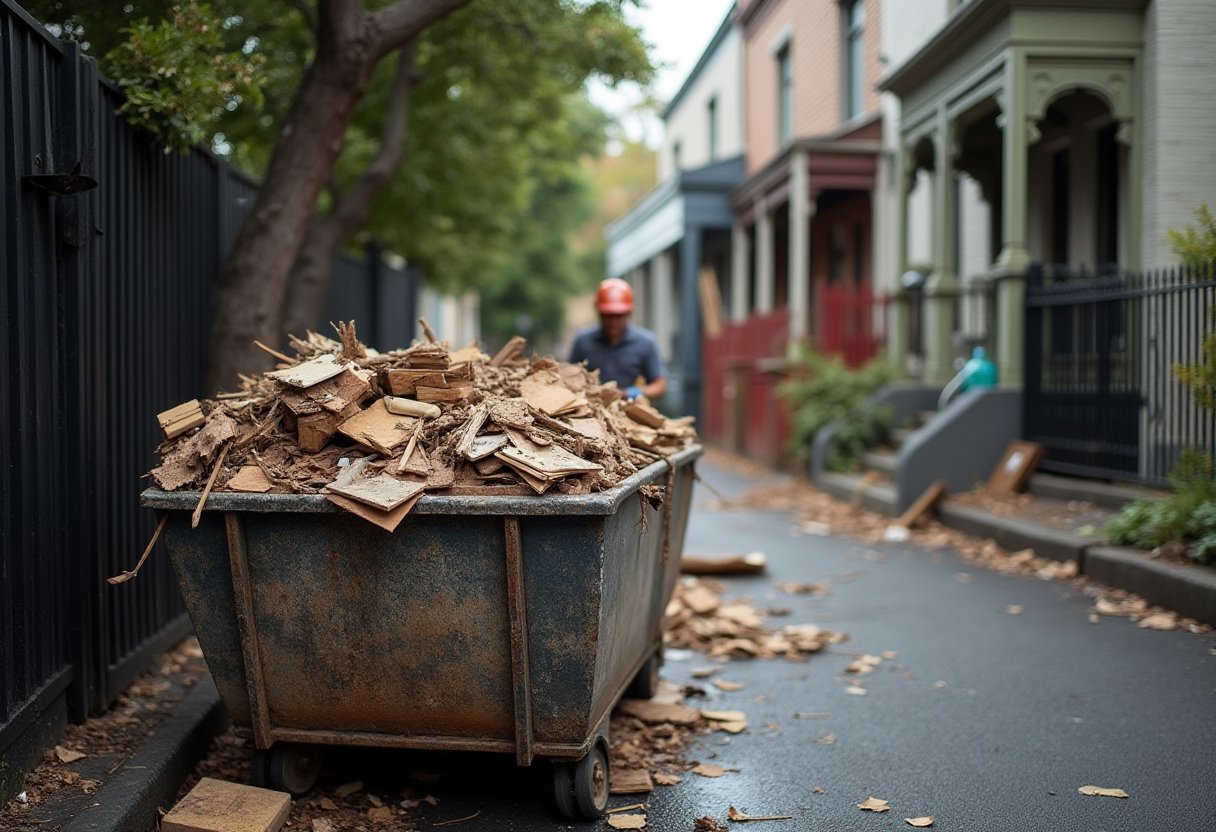
Once the notice has gone out and the storage period has genuinely run, what’s left is a physical job rather than a legal one. Usually it’s a mix: a couple of rooms of furniture, an old mattress, whatever accumulated in the garage or shed, and a fair amount that was never worth storing in the first place. If the property’s an apartment, it’s worth checking what your building’s rules allow before anything goes near the lift or the bin room.
A word of warning on the obvious shortcut. Putting a whole property’s worth of goods out for council hard rubbish generally isn’t a route. Most inner-Melbourne councils cap what you get by volume or by booking, and the caps are tighter than people expect. Stonnington runs two scheduled collections a year on a date you’re given rather than one you pick, and even Port Phillip, which is more generous than most, gives a house four bookings a year with a volume limit on each. A flat’s contents will not fit inside that, and stacking the excess on the nature strip anyway is how a tidy-up turns into an illegal dumping problem with your name on the property title.
The other option people reach for is a skip, which works for some jobs and not others. We’ve written a straight comparison of booking a removal service against hiring a skip bin if you’re weighing that up, and a breakdown of what Melbourne tip fees actually cost in 2026 if you’re thinking of running it to the transfer station yourself.
For most rental providers the sensible answer is a single visit that clears the lot. It’s the same job we do on an end-of-lease clear-out, whether the property’s in Prahran, Richmond or Hawthorn, and a property clearance is booked the same way whether it’s one room or the whole place. If the renter left a mattress behind, it’s worth knowing why mattress disposal costs what it does before you’re surprised by it, and if there’s old furniture in reasonable condition, some of it doesn’t have to go to landfill at all.
Where landlords actually come unstuck
Two situations, three steps, and the whole thing hinges on working out which situation you’re in before you start. If the agreement ended properly, you’re in goods left behind: notice on the right form, 14 days for saleable items, 90 for anything that counts as a personal document. If it didn’t end properly, you’re in abandonment, and that starts at VCAT rather than with a notice.
The three mistakes that cost the most are all avoidable. Clearing the property before the notice period has run. Holding onto someone’s belongings because they owe rent. And treating a laptop, a camera or a box of photographs as ordinary household rubbish when the Act gives them 90 days. Get those three right and the rest is just a booking.
Frequently Asked Questions
They’re two different processes under the Residential Tenancies Act 1997, and mixing them up is where rental providers get into trouble. Goods left behind applies when the rental agreement has properly ended, whether by notice to vacate, agreement or VCAT order, and the renter simply hasn’t taken everything with them. Abandonment applies when the renter has moved out but was never given a notice to vacate and never gave you a notice of intention to vacate. That one needs a VCAT order declaring the property abandoned before the agreement ends, and VCAT hears those within 5 business days. Keep in mind that late or unpaid rent on its own doesn’t make it abandonment.
Goods that can be sold must be stored safely for at least 14 days, and that clock starts from the date you first tell the renter about them, not from the day they moved out. Personal documents get at least 90 days. Perishable food, dangerous goods and goods not worth any money can go immediately. The same 14-day rule covers urns containing human remains, specialised medical equipment and prescription medications, and medals and trophies, regardless of what they’d fetch. You and the renter can agree on longer, and the renter can ask VCAT to extend it if you won’t.
Much more than people expect, and this is the rule most often broken by accident. Consumer Affairs Victoria includes official documents, photographs, mail and other correspondence, images on still and video cameras, material on computer hard drives, and anything else a person would reasonably be expected to keep. So a laptop, a hard drive, an old phone full of photos and a shoebox of letters all sit in the 90-day category, not the 14-day one. You have to return them once the renter covers reasonable removal and storage costs, and you can be fined for refusing when they’ve offered to pay.
Partly, and this is worth getting right because the answer isn’t the cautious one most people assume. Goods not worth any money can be disposed of immediately, along with perishable food and dangerous goods, so you don’t have to warehouse a broken bookshelf for a fortnight. The catch is that the exemption doesn’t extend to personal documents or to the 14-day list, and “not worth any money” has to be a genuine assessment rather than a convenient one. If an item could plausibly be sold, treat it as saleable and give it the 14 days. Photograph everything before it goes either way.
Once the notice period has run and you’re within your rights to dispose of what’s left, the physical clear-out is usually the easy part. A property full of old furniture, mattresses and general household items can typically be booked ahead and cleared in a single visit, ready for the next renter. If you’d rather not sort, lift and dispose of it yourself once the legal steps are ticked off, get in touch or give the team at It’s Done a call on (03) 9820 1927. We’ll come and quote it for free.
A quick note on safety. It’s Done Rubbish Removal does not remove asbestos, hazardous chemicals, gas bottles, or medical and biohazard waste. These materials must be handled and disposed of by a licensed specialist under Victorian and Australian regulations. If you think any of your waste may contain asbestos or hazardous material, stop and arrange a licensed asbestos or hazardous-waste specialist before any work begins. When in doubt, give us a call and we’ll point you in the right direction.
A note on pricing. Any prices mentioned here are indicative only and depend on the volume and type of rubbish, access, and the job on the day. For an accurate figure, book a free, no-obligation quote on (03) 9820 1927.