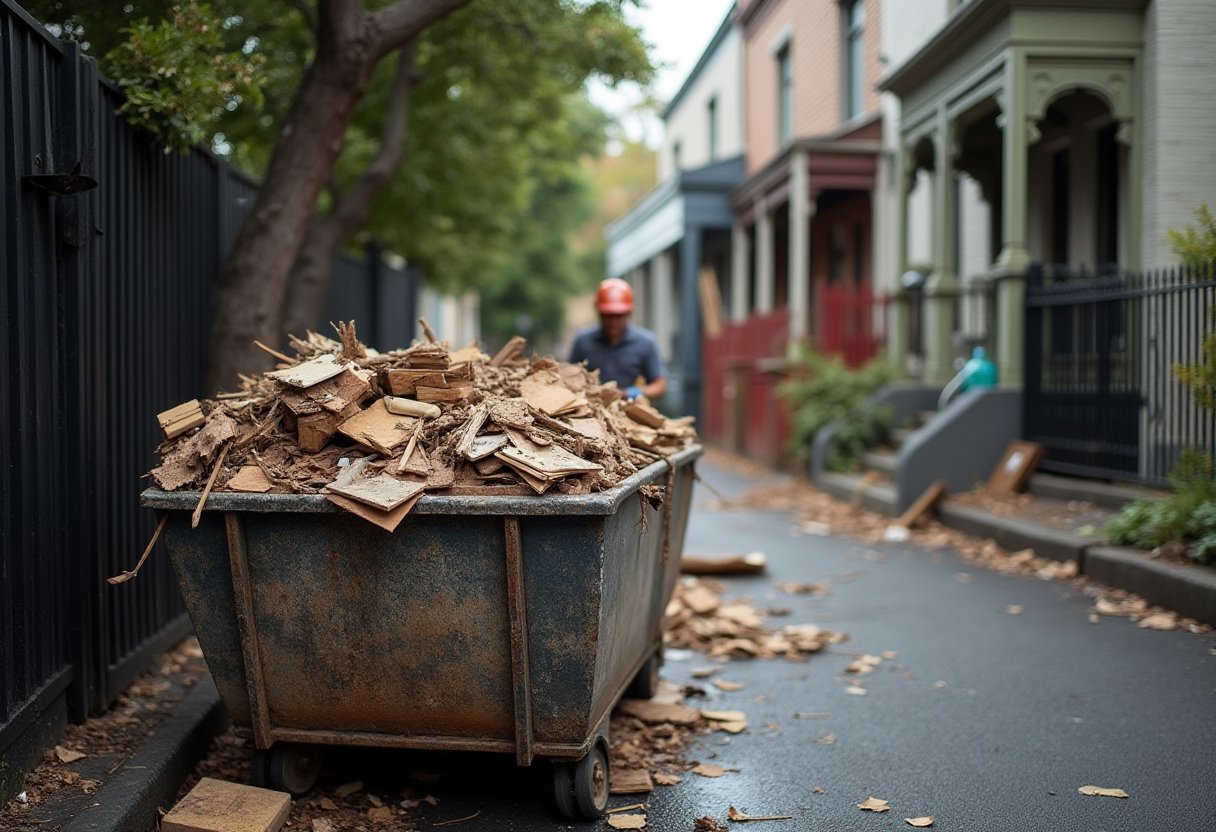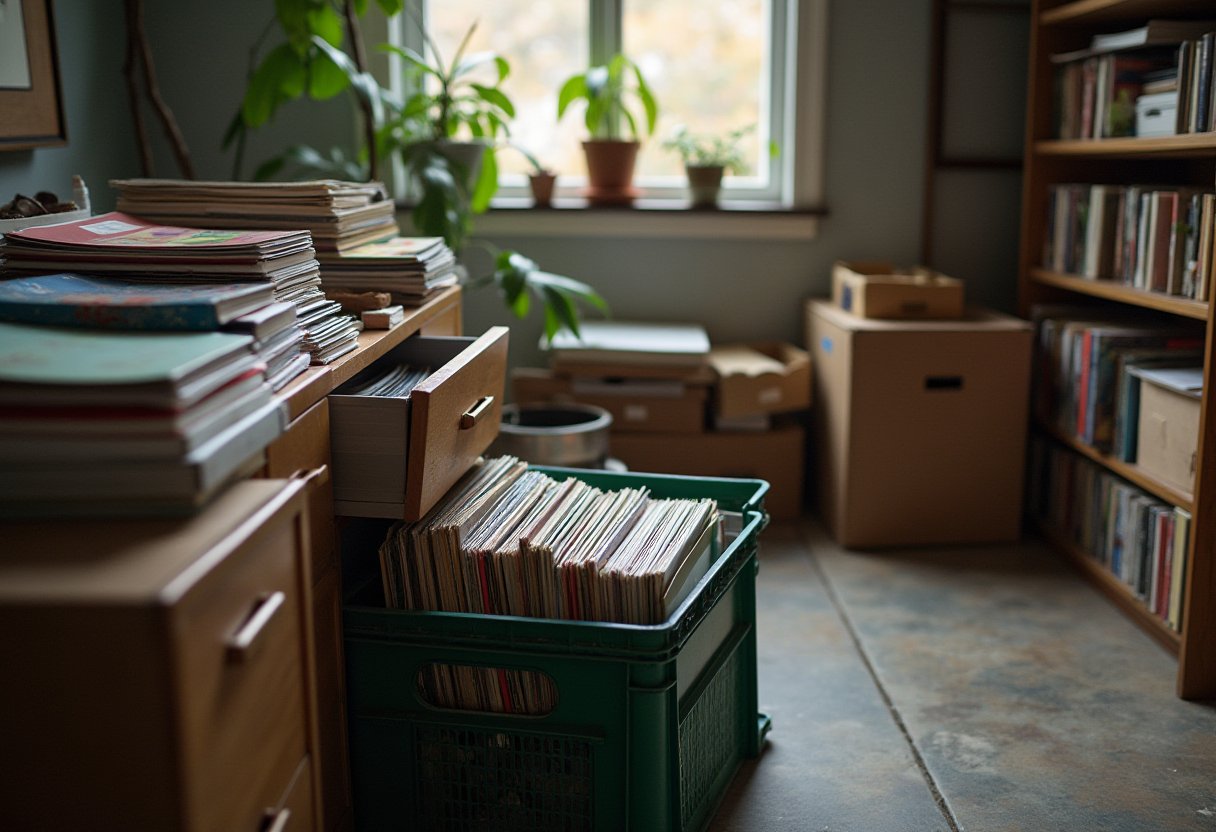

Storage unit clean out in Melbourne usually starts with the same question: what’s actually in there? If it’s been years since you last opened the roller door, you honestly don’t know. It might be furniture from a flat you moved out of, boxes from a parent’s house, or stock and gear from a business that’s since folded. Before you touch a thing, three checks are worth doing: what your storage contract actually allows, what condition the contents are in after a long stretch unattended, and what the unit has already cost you. Get those straight and where it all goes becomes the easy part.
Check 1: what your storage contract actually allows

Here’s the bit most people don’t realise until they’re standing in front of the roller door: a storage unit is not a tenancy. It’s a contract, and the difference matters. Renting a flat gets you the protections of the Residential Tenancies Act. Renting a storage unit doesn’t, because those laws cover accommodation, and a storage unit isn’t somewhere you live. Arrangements that sit outside them fall back on ordinary contract law and the terms you agreed to, as Consumer Affairs Victoria sets out. You’re governed by whatever terms you signed, full stop.
That cuts both ways. It means the facility can act on unpaid fees faster than a landlord could ever act on unpaid rent. Victoria’s Warehousemen’s Liens Act 1958 gives storage operators a lien over the goods inside, which in plain terms means they can hold, and eventually sell, your contents to recover what’s owed if the account falls too far behind.
So before you start any storage unit clean out in Melbourne, dig out the actual contract and check where you stand: is the account current, is there a lien notice sitting in your inbox, and what does the agreement say about access and removal timeframes. That fifteen minutes of reading tells you whether you’re planning a straightforward clear-out or racing a deadline.
Check 2: what condition the contents are in

Before you load a single box into the car, have a proper look at what the time in a Melbourne storage unit has actually done to the contents.
Storage units aren’t climate controlled the way your house is. Heat, damp and the odd leaking roof do their work quietly. Cardboard boxes slump, fabric goes musty, and mould can take hold on anything porous without anyone noticing until the door opens. If you catch a strong musty smell or see dark spotting on boxes, wear gloves and a mask before you dig further, and don’t assume the contents underneath are fine just because the top layer looks okay.
Pests are the other quiet problem. Mice and silverfish love an undisturbed unit, and they don’t leave polite warning signs. Check corners and box bases before you start pulling things out by hand.
Then there’s what’s actually in there. Old paint tins, car batteries, gas bottles or dead electronics need separate handling, not a spot in the general pile. E-waste has been banned from Victorian landfill and household bins since 1 July 2019, and that covers anything with a plug, battery or power cord, so it has to go to a drop-off point. If the unit is full of old electronics, what the ban means for households is worth two minutes before you start loading the car.
Check 3: what the unit has already cost you
Here’s the number worth doing before anything else: multiply your monthly storage fee by the months since you last opened the door. A unit in the inner suburbs isn’t cheap, and the running total climbs faster than people expect, often well past what the contents would fetch second-hand. If you haven’t needed any of it in that time, the fees have probably already outstripped the value sitting inside.
That reframes the whole job. This isn’t really about what to do with the contents, it’s about whether to keep paying to store uncertainty. Once you accept that most of what’s in there is sunk cost, the decision gets easier: sort it, take the loss on the storage fees, and stop the meter running.
It also changes what “cheap” means. A storage unit clean out in Melbourne isn’t just the cost of removal, it’s removal plus every month you’ve already paid and every month you’d pay waiting to “get around to it”. Compare a single afternoon of sorting and a booked-ahead clearance against another year of fees, and the maths tends to answer itself. If you’re weighing up how to do it, a skip bin and a removal service stack up differently depending on how much sorting you’re willing to do yourself.
Where it goes: donate, sell, recycle, council

With the contract checked, the contents sized up and the maths done, the sorting is the straightforward part. Split it into four piles: donate, sell, recycle, and council collection.
Furniture, kitchenware and clothing in decent nick can go to Vinnies, who accept a wide range of household goods. Worth knowing before you plan around it: Vinnies doesn’t collect donations from private homes in Victoria, so this is a drop-off, not a pickup. Ring ahead if you’ve got bulky pieces, because not every shop takes furniture on the day.
Anything worth real money, decent furniture, tools, collectables, is worth ten minutes on Facebook Marketplace before it goes anywhere else. A long spell in storage often means the trend has come back around, and someone local will pay for what you’d otherwise pay to dispose of. The same call comes up in a shed clear-out full of decades-old gear: sell the few things with real value, donate the rest, and don’t let the sorting stall the job.
Textiles, timber, metal and clean cardboard should go to recycling rather than landfill wherever your local transfer station allows it. Most inner-south and inner-east councils run hard rubbish collections a few times a year, and entitlements are set council by council rather than city-wide, so check your own before you plan around it. Stonnington’s list of what they will and won’t take is a fair guide to how tight those rules get. It’s useful for the bulky leftovers, though booking windows fill fast and there are usually item limits.
For a storage unit clean out in Melbourne with a genuinely mixed load, sorting on-site before you move a single box out saves a second trip. It’s the same approach we take on a garage or shed clear-out, where the pile is never one clean material. Whatever’s left after donate, sell and recycle is the household rubbish removal you’re actually paying for, not the whole unit.
Contract first, contents second
- A storage unit clean out in Melbourne comes down to three checks before you start: what the contract allows, what condition the contents are in, and what the unit has already cost you.
- A storage agreement isn’t a residential tenancy, it’s an ordinary contract, which changes where you stand if fees fall behind, so check the contract before you check the contents.
- After years unopened, assume mould, pests or forgotten hazards until you’ve looked.
- Where it all goes is the fourth step and the easiest one, and the clean-out is often cheaper than another month of rent on uncertainty.
Frequently Asked Questions
You almost always do. A storage unit is a contract, not a tenancy, so the operator can’t just hand your things to someone else without following the process set out in your agreement, usually a formal notice period for unpaid fees before anything is auctioned or disposed of. If you’ve lost track of payments, check your bank statement for the direct debit and call the facility with your unit number. Most operators in Melbourne’s inner suburbs will talk you through your account status over the phone. Sort this out before you plan the clean-out, since it decides whether you’re clearing your own goods or negotiating a release first.
Have a quick look first if you can. Years shut in a Melbourne storage unit mean humidity, temperature swings and no ventilation, all conditions mould and pests are quite happy with. A five-minute look tells you whether you’re dealing with straightforward boxes or something that needs gloves, masks and extra care, particularly around old paint, batteries, gas bottles or chemicals that shouldn’t go in general rubbish. Knowing this before booking a clean-out means we can plan for it properly rather than finding out on the day.
Often, yes, once you’re talking years rather than months. Rather than trust an industry average, do your own maths: take the monthly fee off your bank statement, multiply it by the months since you last opened the door, and add insurance and admin if they’re billed separately. Unless the unit holds furniture, tools or collectables you know have real resale value, that total has very likely outrun what’s inside. It’s worth doing honestly before you decide whether to keep paying, sell up, or book a clean-out and close the account for good.
More than most people expect. Furniture in reasonable nick, working appliances, books, tools and homewares are all things local charities and op shops across the inner-east and inner-south will take. Metal, e-waste and clean timber can usually be diverted at the transfer station rather than binned. We sort as we go and divert what we can, so you’re not choosing between convenience and doing the right thing by landfill.
You don’t need to be there if you’d rather not be, and for a lot of people that’s the easier option. Give the team a call on (03) 9820 1927, tell us the unit size and what you know about the contents, and we’ll quote it for free. We’ll sort, load and dispose of everything responsibly, and flag anything that looks like it’s worth keeping or selling before it leaves the unit.